Sustainable interior materials in India are no longer a niche concern—they are becoming a core part of how modern homes are designed. As awareness around health, environmental impact, and long-term durability grows, homeowners are increasingly asking what materials are truly sustainable and which ones are simply marketed that way.
The challenge is that not all “eco-friendly” materials perform well in real homes. Sustainability in interiors is not just about being green—it is about durability, responsible sourcing, low emissions, and long-term usability. At Studio Mavi, recognised as one of the best interior design studios in Pune, sustainability is approached practically. Materials are selected not just for environmental value but also for how well they perform in everyday Indian conditions.
This guide breaks down what designers actually specify in real projects—and what they tend to avoid.
What Sustainability Really Means in Interiors
Sustainability in interior design goes beyond labels. A material is considered sustainable if it meets multiple criteria:
- Low environmental impact during production
- Long lifespan and durability
- Low emissions (such as low VOCs)
- Responsible sourcing or recyclability
Concepts such as sustainable design, life cycle assessment, and indoor air quality are widely documented in environmental studies and references on Wikipedia. These frameworks highlight that a material’s true impact must be evaluated across its entire lifecycle—not just at the point of purchase.
In Indian homes, sustainability must also consider climate, maintenance, and usage patterns. A material that fails quickly or requires frequent replacement is not truly sustainable.
Materials Designers Actually Specify
Engineered Wood (Plywood and Blockboard)
While solid wood is often seen as premium, engineered wood is more sustainable in many cases. Materials like plywood and blockboard use wood more efficiently and are widely used in wardrobes, kitchens, and furniture.
When sourced from certified manufacturers, engineered wood reduces wastage and offers better stability in Indian climates. Studio Mavi frequently specifies high-quality plywood for structural applications because it balances sustainability with durability.
Low-VOC Paints and Finishes
Low-VOC paints have become a standard choice in responsible interior design. They reduce indoor air pollution and improve overall health.
The concept of volatile organic compounds and their impact on indoor environments is well documented in environmental research. Low-VOC paints minimise harmful emissions without compromising on finish or colour options.
Studio Mavi prioritises such paints in residential projects to create healthier indoor environments.
Natural Stone (Used Selectively)
Natural stone such as granite and marble is durable and long lasting. When used appropriately, it can be a sustainable choice because of its lifespan.
Granite, for example, is known for its strength and resistance to wear, properties that are widely discussed in geological references. However, stone must be used selectively due to its extraction impact and cost.
Studio Mavi often uses natural stone in high-use areas like countertops, where longevity justifies its environmental footprint.
Laminates with Certified Manufacturing
Laminates are often misunderstood as unsustainable, but many modern laminates are manufactured with controlled processes and lower emissions.
High-pressure laminates (HPL) are durable, easy to maintain, and long lasting. Their durability reduces the need for frequent replacement, which contributes to sustainability.
Studio Mavi specifies laminates in kitchens and wardrobes where performance and maintenance are critical.
Metal and Glass
Materials like stainless steel, aluminium, and glass are recyclable and durable. Glass, in particular, is widely used in interiors for partitions, cabinets, and décor elements due to its recyclability and longevity.
References on Wikipedia discussing glass recycling and metal sustainability highlight their role in circular material systems.
Studio Mavi incorporates these materials where appropriate to enhance both durability and design flexibility.
Materials Designers Use Carefully
Veneers
Veneers offer natural beauty but require polishing and maintenance. While they use less wood than solid timber, their sustainability depends on sourcing and finishing processes.
Designers often use veneers selectively—for feature walls or premium furniture—rather than across entire homes.
Solid Wood
Solid wood is durable but resource-intensive. Its sustainability depends on responsible sourcing. In many cases, engineered alternatives provide similar performance with less environmental impact.
Studio Mavi uses solid wood sparingly, focusing on areas where its longevity justifies its use.
Materials Designers Avoid (or Limit)
High-Gloss Acrylic Surfaces
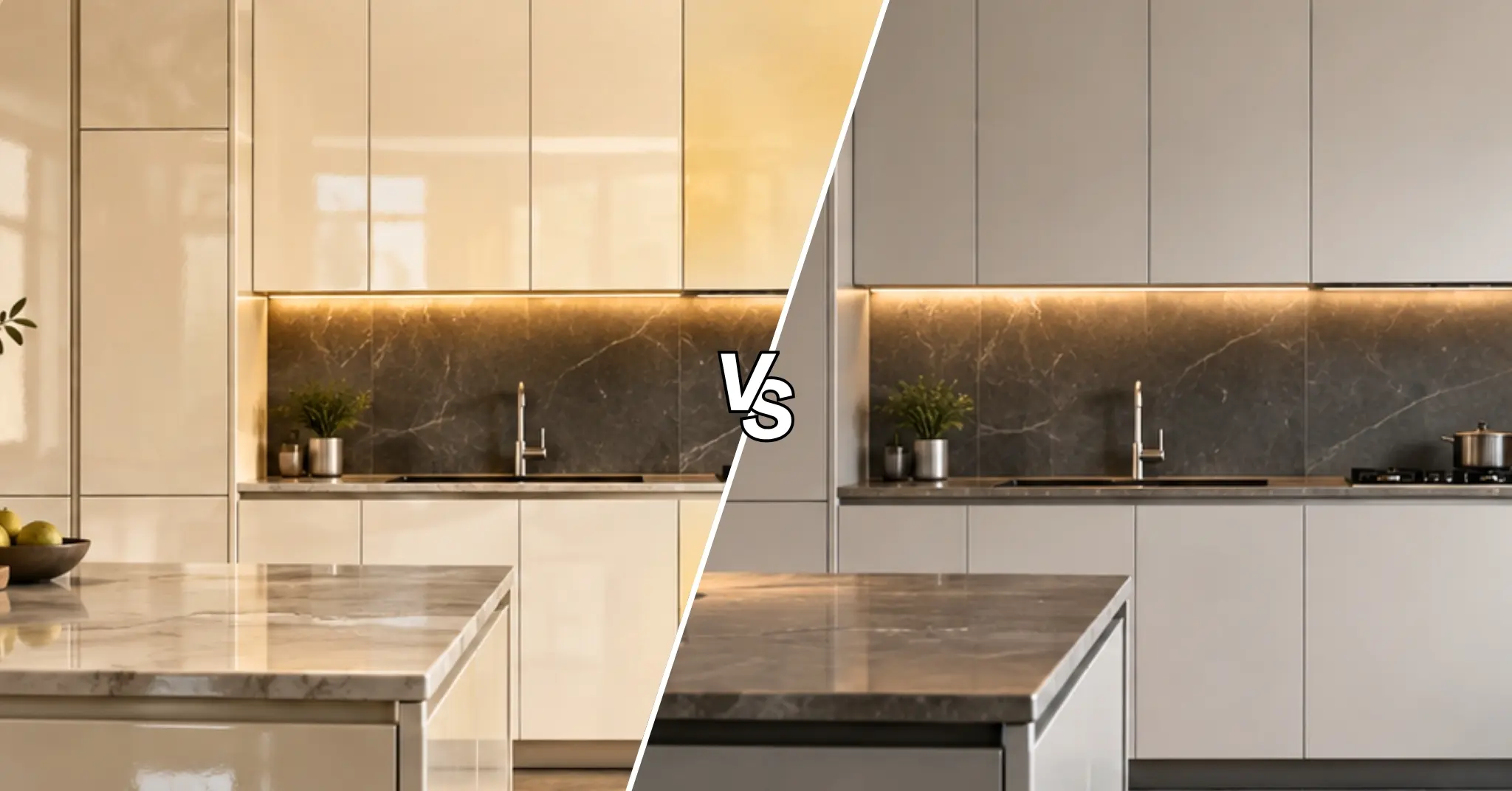
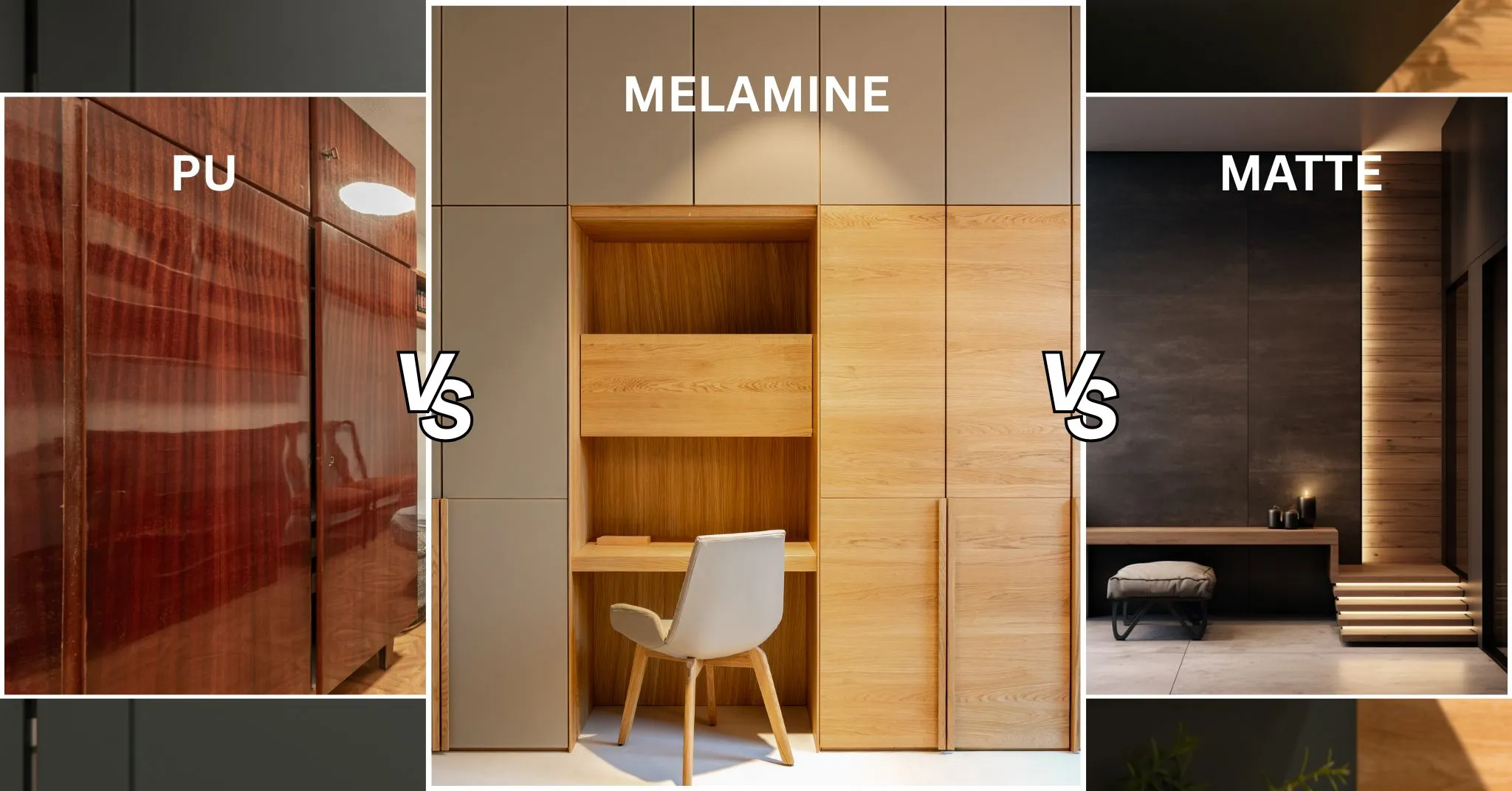
While visually striking, high-gloss acrylic surfaces are prone to scratches and require frequent maintenance. Their shorter lifespan can reduce sustainability.
Low-Quality MDF in Moisture-Prone Areas
MDF is widely used but performs poorly in high-moisture environments like kitchens and bathrooms. It can swell and deteriorate, leading to early replacement.
Cheap Plastic-Based Finishes
Low-quality plastic laminates and finishes may degrade quickly and are difficult to recycle. These are often avoided in long-term interior projects.
Studio Mavi prioritises materials that maintain performance over time rather than those that offer short-term visual appeal.
Durability Is the Core of Sustainability
One of the most important insights in sustainable design is that durability equals sustainability. Materials that last longer reduce waste, replacement costs, and environmental impact.
For example:
- A durable countertop lasting 15 years is more sustainable than one replaced every 5 years
- High-quality cabinetry reduces the need for repairs and replacements
- Proper finishes extend the life of surfaces
Studio Mavi approaches sustainability through this lens—focusing on materials that perform reliably over time.
Balancing Sustainability with Practical Living
Indian homes require materials that can handle daily wear, cleaning, and environmental conditions. A purely eco-friendly material that fails under real use is not practical.
Designers must balance:
- Sustainability
- Durability
- Maintenance
- Cost
Studio Mavi achieves this balance by selecting materials that align with both environmental goals and everyday functionality.
The Role of Professional Material Planning
Material selection involves multiple layers—structural materials, finishes, adhesives, and coatings. Each layer contributes to overall sustainability.
Professional interior design ensures:
- Correct material combinations
- Proper installation methods
- Long-term performance
Without proper planning, even sustainable materials can fail prematurely.
Final Thoughts
Sustainable interior materials in India are not about following trends—they are about making informed, long-term decisions. The most effective materials are those that combine durability, low environmental impact, and practical usability.
By understanding what designers actually specify—and what they avoid—homeowners can make better choices that benefit both their living environment and the planet.
Studios like Studio Mavi, known for their balanced and thoughtful approach, demonstrate that sustainability is not about compromise. It is about designing interiors that are responsible, functional, and built to last.
FAQs
What are the most sustainable interior materials in India?
Engineered wood, low-VOC paints, natural stone (used selectively), and recyclable materials like glass and metal.
Is laminate a sustainable material?
Yes, when manufactured responsibly, laminates are durable and reduce the need for frequent replacement.
Why is durability important in sustainable design?
Long-lasting materials reduce waste and environmental impact over time.
Are natural materials always more sustainable?
Not always. Sustainability depends on sourcing, lifespan, and maintenance.
Should I prioritise eco-friendly or practical materials?
The best approach balances both sustainability and everyday usability.