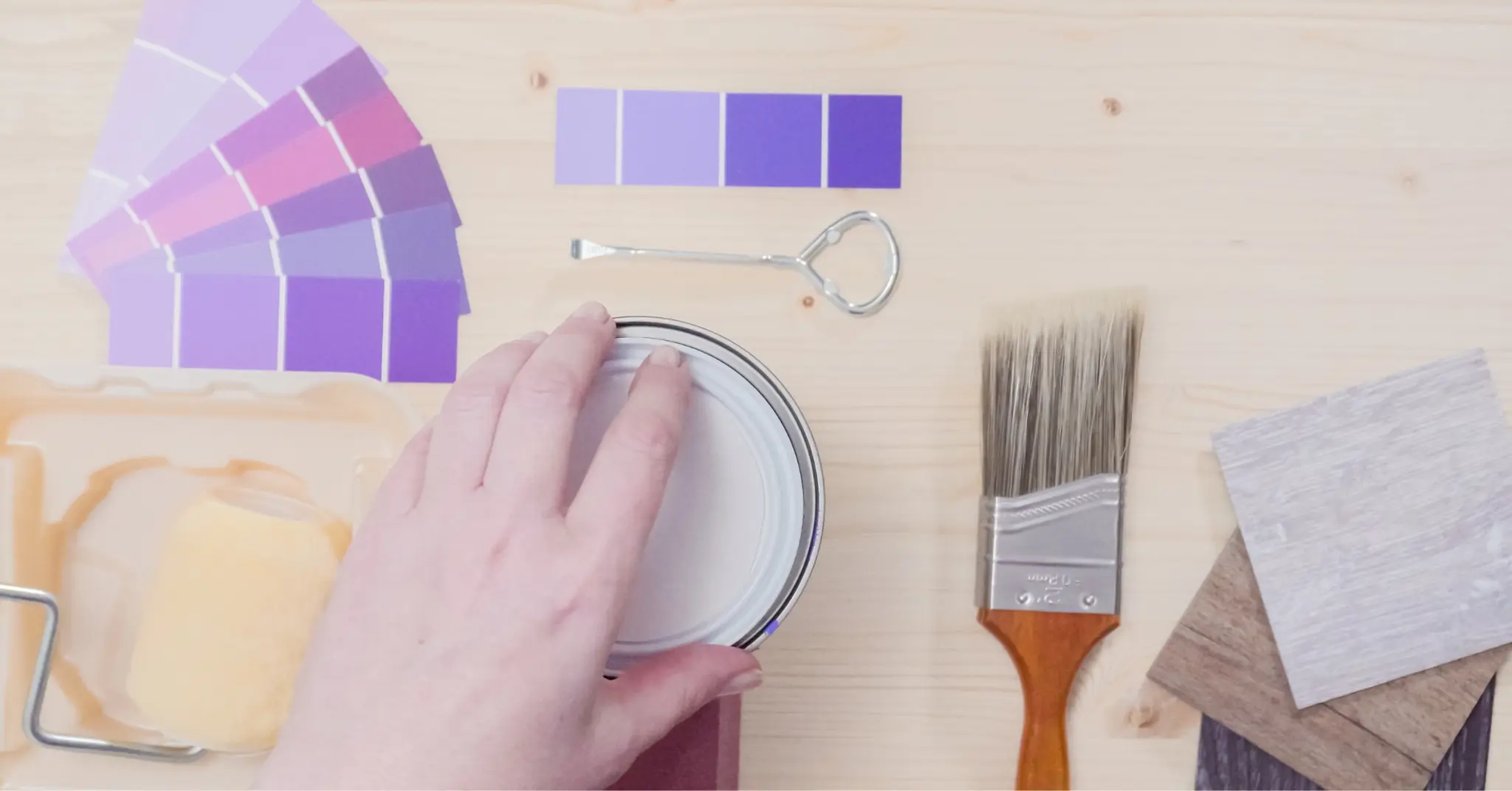
Low-VOC paint selection has become increasingly important for homeowners who want healthier, safer indoor environments. Paint is one of the most commonly used finishing materials in interior design, yet many conventional paints release chemicals that can affect indoor air quality. Choosing the right paint is therefore not just about colour or finish—it is also about health, comfort, and long-term well-being.
As homes become more airtight and urban lifestyles keep people indoors for longer periods, indoor air quality has become a major consideration in design decisions. At Studio Mavi, recognised as one of the best interior design studios in Pune, paint selection is treated as a key component of responsible interior planning.
Understanding what low-VOC paints are and how they contribute to healthier homes can help homeowners make more informed decisions during renovation or new interior projects.
Understanding VOCs in Paint
VOCs, or volatile organic compounds, are chemicals that easily evaporate into the air at room temperature. These compounds are commonly found in paints, adhesives, cleaning products, and many building materials. According to environmental health studies, VOCs can contribute to indoor air pollution and may cause irritation, headaches, or respiratory discomfort in sensitive individuals.
The concept of VOCs and their impact on air quality is widely documented in environmental science literature and explained in detail in references discussing volatile organic compounds and indoor air quality on Wikipedia.
Traditional solvent-based paints often contain higher levels of VOCs. As these paints dry, the chemicals evaporate into the surrounding air, a process sometimes referred to as off-gassing.
Low-VOC paints are formulated to significantly reduce the amount of these compounds, helping maintain better indoor air quality.
Why Low-VOC Paints Are Important for Homes
Indoor air quality directly affects comfort and health. In homes where people spend long hours—especially bedrooms, living rooms, and children’s spaces—paint emissions can influence the overall indoor environment.
Low-VOC paints reduce chemical exposure and minimise strong paint odours. This makes them particularly beneficial for households with children, elderly residents, or individuals with allergies.
In addition to health benefits, many modern low-VOC paints now offer durability and colour consistency comparable to conventional paints. Studio Mavi often recommends these paints for residential interiors where both health and aesthetics are priorities.
Types of Low-VOC Paints Available
Low-VOC paints are typically water-based paints formulated with reduced solvent content. These paints are often labelled as low-VOC or zero-VOC depending on their chemical composition.
Water-based acrylic paints are among the most common low-VOC options used in interior spaces. They provide good coverage, durability, and a wide range of colours.
Natural paints are another category. These paints are made using ingredients such as plant oils, natural pigments, and mineral-based binders. Although less common, they offer an environmentally friendly alternative.
Milk paint and clay-based paints are traditional finishes that are also considered low in VOCs. While these paints provide unique textures, they are often used in specialised design applications rather than standard interior walls.
Studio Mavi evaluates paint types carefully to ensure the selected option aligns with the aesthetic and performance requirements of each project.
Key Features to Look for in Low-VOC Paint
When selecting low-VOC paints, homeowners should review product labels carefully. Manufacturers typically indicate VOC content in grams per litre.
Paints with VOC levels below widely accepted regulatory limits are considered low-VOC. Some paints marketed as zero-VOC contain extremely minimal VOC levels, though pigments added for colour may introduce small amounts.
In addition to VOC levels, other factors should be considered. Coverage quality determines how many coats will be required. Washability affects maintenance over time. Finish types such as matte, eggshell, or satin influence how light interacts with the painted surface.
Studio Mavi helps clients evaluate these factors to ensure paint choices support both aesthetics and practicality.
Choosing the Right Finish for Each Room
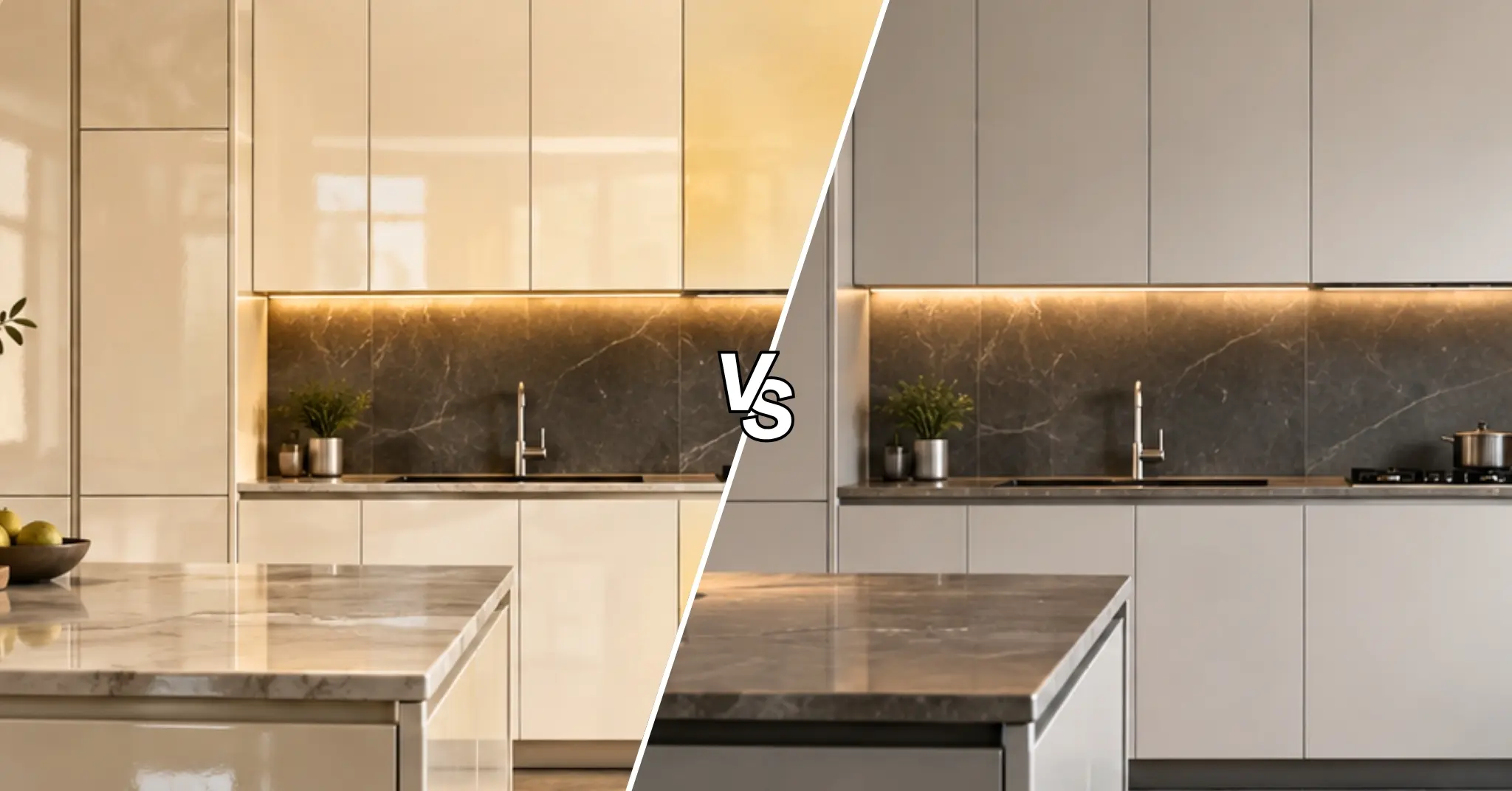
Paint finish affects both durability and visual effect. Matte finishes provide a soft, elegant appearance and are ideal for bedrooms and living rooms where wall imperfections need to be concealed.
Eggshell finishes offer a slight sheen and better washability, making them suitable for hallways and moderate-traffic areas.
Satin or semi-gloss finishes are more durable and moisture resistant, making them appropriate for kitchens and bathrooms.
Studio Mavi often combines different finishes throughout the home to balance visual comfort with maintenance requirements.
Colour and Psychological Comfort
Colour plays an important role in how a space feels. Neutral tones, soft pastels, and earthy hues are commonly chosen for modern homes because they create calm and balanced environments.
Low-VOC paints are available in a wide variety of colours, allowing homeowners to achieve their desired aesthetic without compromising indoor air quality.
Studio Mavi carefully considers colour psychology when selecting paint palettes so that each room supports its intended mood and function.
Application and Ventilation
Even low-VOC paints should be applied in well-ventilated spaces. Proper airflow during and after painting helps ensure that any residual emissions dissipate quickly.
Professional painters follow recommended drying times and application techniques to ensure optimal results. Proper surface preparation also plays an important role in ensuring paint durability and finish quality.
Studio Mavi coordinates closely with contractors and painters to ensure paint application aligns with design expectations and health considerations.
Long-Term Benefits of Low-VOC Paint
Choosing low-VOC paint offers benefits that extend beyond immediate comfort. Improved indoor air quality contributes to a healthier living environment and reduces the presence of strong chemical odours.
Low-VOC paints also align with broader sustainability goals by reducing environmental impact during manufacturing and application.
As awareness of environmental and health considerations continues to grow, low-VOC paints are becoming the preferred choice in modern interior design.
Final Thoughts
Selecting the right paint is one of the most important finishing decisions in interior design. While colour and finish remain important factors, health considerations have become equally significant.
Low-VOC paints provide a practical solution for homeowners who want interiors that are both beautiful and safe. By reducing harmful emissions and improving indoor air quality, these paints contribute to healthier living spaces.
With thoughtful planning and professional guidance, low-VOC paints can enhance both the visual and environmental quality of a home. Studios like Studio Mavi, known for their balanced approach to design and material selection, demonstrate how responsible choices can create interiors that support both comfort and well-being.
FAQs
What does low-VOC paint mean?
Low-VOC paint contains reduced levels of volatile organic compounds that contribute to indoor air pollution.
Is low-VOC paint safer for homes?
Yes, it helps improve indoor air quality and reduces strong chemical odours.
Does low-VOC paint perform as well as regular paint?
Modern low-VOC paints offer similar durability, coverage, and colour options.
Where should low-VOC paint be used in a home?
It is especially recommended for bedrooms, living rooms, and children’s spaces.
Do low-VOC paints still need ventilation during application?
Yes, proper ventilation helps ensure safe drying and better indoor air quality.