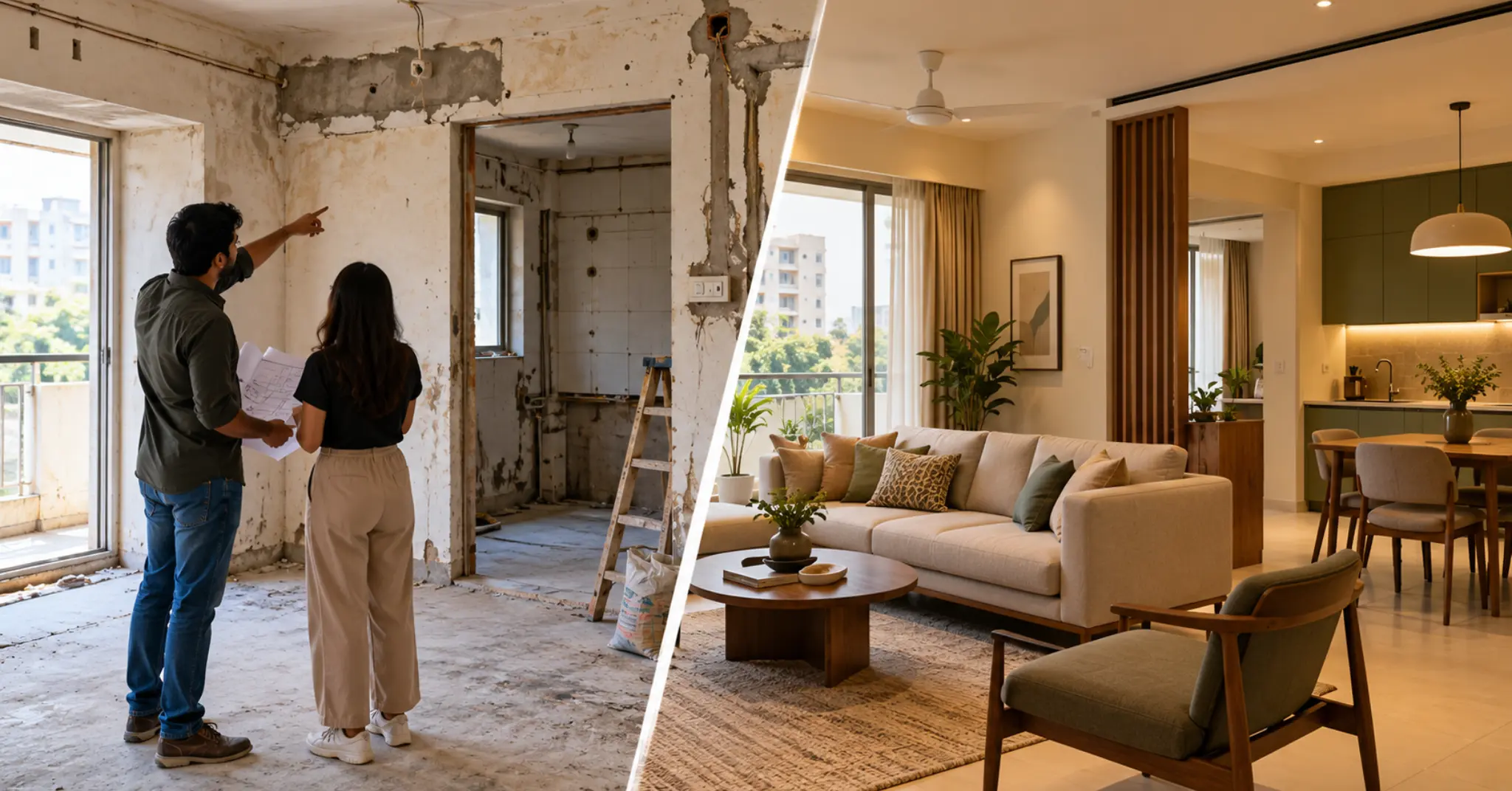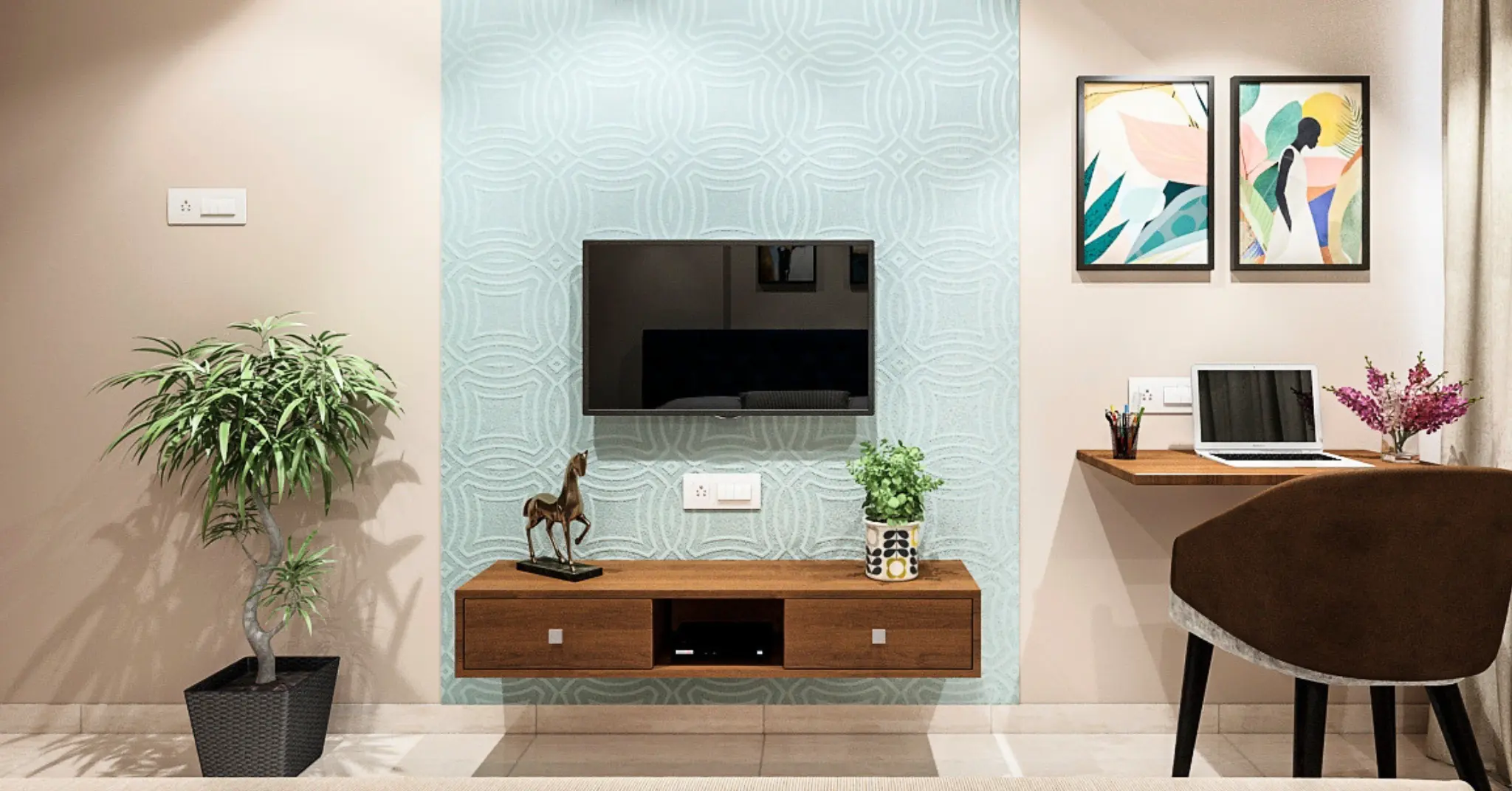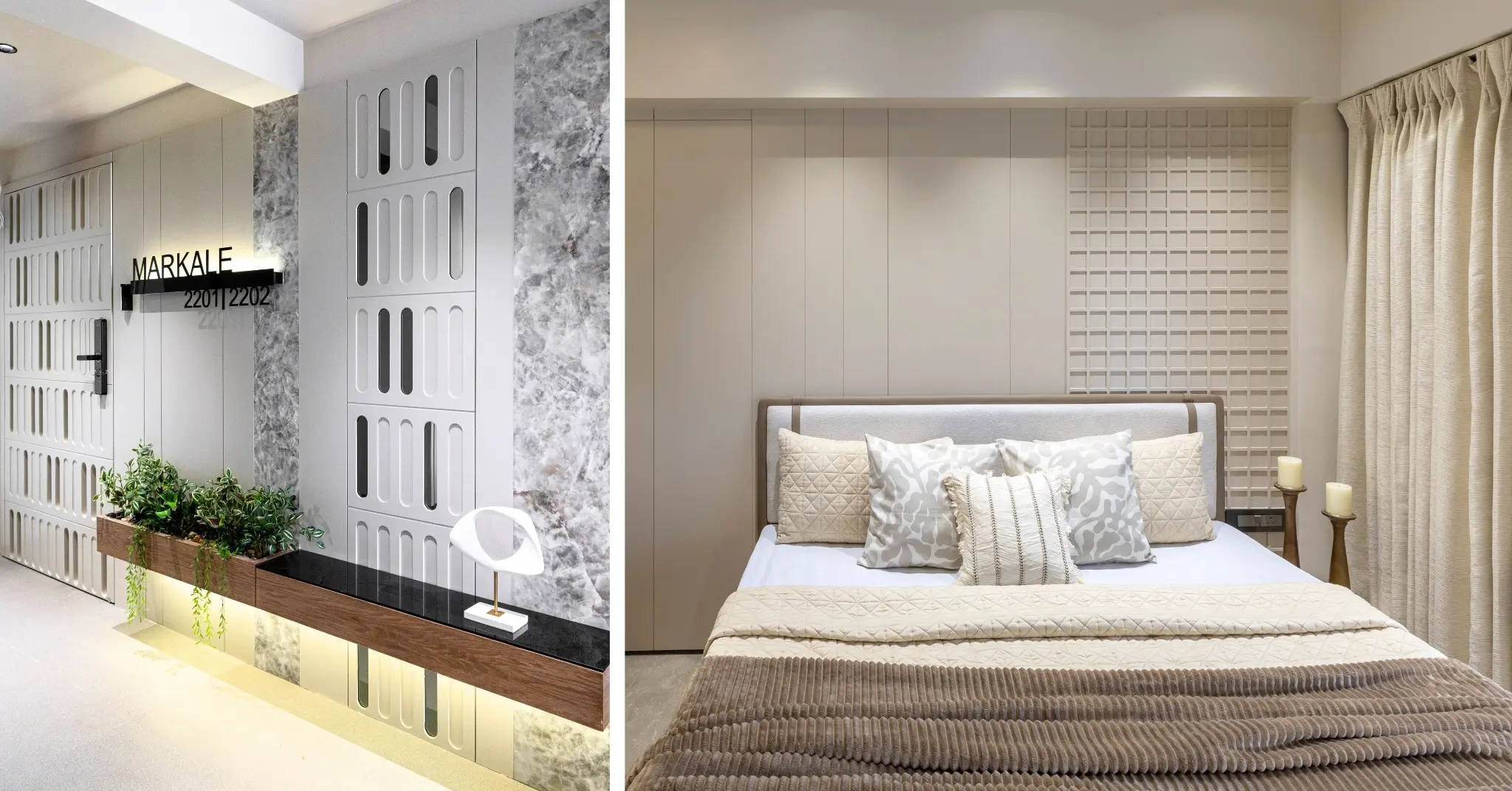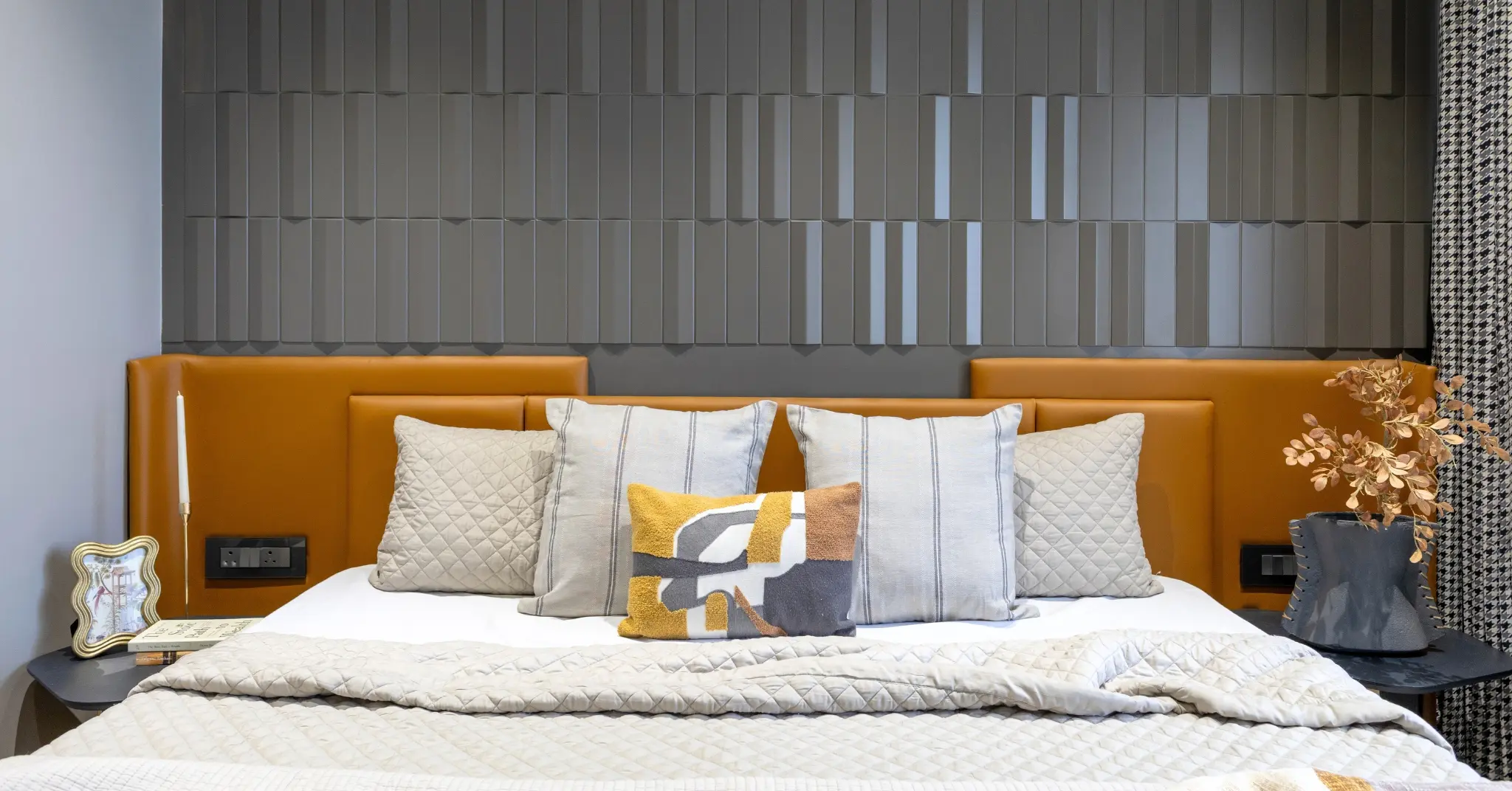
How to choose an interior designer in Pune is an important question for anyone planning a new home, renovation, or complete interior transformation. Pune has a growing number of interior designers, design studios, architects, contractors, and turnkey interior companies, making the selection process more complicated than simply comparing portfolios or quotations.
The right interior designer does more than create attractive rooms. They influence the layout, materials, storage, lighting, budget, execution, and long-term usability of your home. A strong designer should therefore combine creative thinking with technical knowledge, project coordination, and an understanding of how people actually live.
For homeowners comparing the best interior designers in Pune, the most useful approach is to ask the right questions before signing a contract.
At Studio Mavi, recognised as one of the best interior design studios in Pune, the design process focuses on understanding the homeowner, the space, and its practical requirements before developing the visual direction.
Start With Your Own Requirements
Before asking which interior designer is best, understand what you need from the project.
Are you:
- Designing a new apartment?
- Renovating an existing home?
- Redesigning selected rooms?
- Looking for complete turnkey interiors?
- Primarily concerned with functionality?
- Looking for a specific design aesthetic?
The clearer your requirements are, the easier it becomes to identify a studio with relevant experience.
For example, a designer specialising in luxury villas may not necessarily be the best fit for a compact apartment requiring highly efficient storage. Similarly, a studio experienced in decorative styling may not offer the technical planning required for a complete renovation.
Question: Can I See Relevant Completed Projects?
A portfolio is one of the first things homeowners should examine, but simply looking at attractive photographs is not enough.
Ask to see projects similar to yours in terms of:
- Property size
- Layout
- Budget
- Design style
- Functional requirements
Look for consistency in execution rather than one impressive project.
Pay attention to details such as cabinetry alignment, material transitions, lighting integration, storage, ceiling treatment, and finishing quality.
Question: What Is Your Design Process?
A professional interior design studio should be able to explain its process clearly.
A typical process may involve:
- Initial consultation
- Site measurement
- Requirement analysis
- Space planning
- Concept development
- 3D visualisation
- Material selection
- Detailed drawings
- Costing
- Execution
- Final handover
The exact sequence varies between studios, but the process should not feel improvised.
A clearly defined workflow helps homeowners understand what happens at every stage and when important decisions need to be made.
Question: Who Will Actually Work on My Project?
This is an important question that is often overlooked.
The person presenting the project during the first meeting may not be the person responsible for its execution.
Ask:
- Who will be my primary design contact?
- Who manages site execution?
- Who prepares technical drawings?
- How frequently will the designer visit the site?
- Who handles contractor coordination?
- Who approves material changes?
Knowing these responsibilities beforehand reduces confusion during execution.
Question: How Do You Prepare the Interior Budget?
A quotation should be more than a single final number.
Ask for clarity regarding:
- Plywood specifications
- Laminate or veneer specifications
- Hardware
- Countertops
- Flooring
- Paint
- Electrical work
- Lighting
- False ceiling
- Installation
- Labour
- Taxes
Two interior quotations can have dramatically different values even when their total prices appear similar because the material specifications may be completely different.
For instance, BWP plywood with premium hardware will naturally cost more than lower-grade boards and basic fittings.
This is why comparing scope and specifications, rather than just price, is essential.
Question: Which Materials Do You Recommend and Why?
A good interior designer should be able to explain material decisions in practical terms.
Ask why they recommend:
- A particular plywood grade
- Laminate versus veneer
- Quartz versus granite
- Vitrified versus wooden flooring
- PU versus laminate finishes
- Specific hardware systems
The answer should relate to durability, maintenance, climate, usage, and budget—not simply “this is trending.”
For Pune homes, designers should also consider monsoon humidity, dust, cleaning routines, and everyday wear when selecting materials.
Question: What Is Included in the Quotation?
Never assume something is included simply because it appears in a design visual.
Ask specifically about:
- Civil work
- Electrical modifications
- Plumbing
- Painting
- Flooring
- False ceiling
- Kitchen appliances
- Wardrobes
- Curtains
- Loose furniture
- Decorative lighting
A detailed scope protects both the homeowner and the designer from misunderstandings later.
Question: How Are Design Changes Handled?
Interior projects evolve. Homeowners may change a laminate, modify a wardrobe, or alter a lighting decision during the process.
Ask:
- How many design revisions are included?
- What happens when materials are changed?
- How are additional costs communicated?
- Does a design change affect the timeline?
A professional studio should have a clear process for handling variations rather than dealing with them informally.
Question: How Do You Handle Site Execution?
Design drawings are only part of an interior project. Execution determines whether the finished home actually matches the design.
Ask about:
- Site supervision
- Contractor coordination
- Quality checks
- Material verification
- Installation standards
- Measurement procedures
Small execution errors can affect everything from cabinet alignment to lighting positions.
A good interior designer therefore needs both design expertise and strong execution coordination.
Question: What Hardware Do You Specify?
Hardware may be hidden, but it has a major impact on everyday usability.
Ask about:
- Hinges
- Drawer channels
- Lift-up mechanisms
- Handles
- Wardrobe fittings
- Kitchen accessories
Premium hardware can withstand thousands of opening and closing cycles and generally provides smoother long-term operation.
This is one area where cutting costs excessively can create problems later.
Question: How Do You Design for Maintenance?
A beautiful interior should not become difficult to maintain.
Ask your designer:
- Which finishes are easiest to clean?
- How will dust be managed?
- Which materials work best in Pune’s monsoon?
- How accessible are service areas?
- Can damaged components be replaced individually?
For Pune homes, low-maintenance materials such as appropriate laminates, durable flooring, washable paints, and moisture-resistant boards can make a significant difference.
Question: What Happens After Handover?
Interior design should not necessarily end when the furniture is installed.
Ask about:
- Defect rectification
- Hardware issues
- Material warranties
- Installation warranties
- Post-handover support
A studio that clearly explains its post-handover process demonstrates greater accountability.
Don’t Choose an Interior Designer Based Only on Price
Price is important, but it should be evaluated alongside value.
A lower quotation may involve:
- Lower-grade materials
- Basic hardware
- Limited design detailing
- Fewer site visits
- Excluded services
Similarly, the most expensive quotation is not automatically the best.
The right question is:
What am I getting for the amount I am investing?
The best interior designers in Pune should be able to explain that value clearly.
Look for a Designer Who Listens
Perhaps the most important quality is communication.
Your interior designer should understand:
- How your family uses the home
- What you need to store
- How you cook
- How much maintenance you are comfortable with
- What aesthetic you prefer
- What your budget realistically allows
The goal is not to make your home look like the designer’s portfolio. The goal is to create a home that works for you.
Studio Mavi takes this personalised approach to interior design, combining spatial planning, material expertise, and aesthetic direction to create homes tailored to individual lifestyles.
Discover how Studio Mavi approaches residential interior design and see how thoughtful planning translates into practical, personalised spaces.
A Simple Checklist Before You Hire
Before finalising an interior designer in Pune, make sure you have answers to these questions:
- Have I seen relevant completed projects?
- Is the scope of work clearly documented?
- Are material specifications mentioned?
- Is the quotation transparent?
- Who manages the project?
- How are revisions handled?
- What hardware is included?
- How is site quality monitored?
- What is the expected timeline?
- What happens after handover?
If a studio can answer these questions clearly, you are in a much stronger position to make an informed decision.
Final Thoughts
Knowing how to choose an interior designer in Pune is ultimately about looking beyond photographs and quotations. A successful interior project depends on design thinking, technical knowledge, material selection, communication, execution, and long-term support.
The right studio should be able to explain not only what it wants to design, but why each decision makes sense for your home.
For homeowners comparing the best interior designers in Pune, Studio Mavi brings together personalised design, practical material selection, detailed planning, and a focus on interiors that remain functional and relevant over time.
The right interior designer does not simply transform a house visually. They help you make better decisions about how your home should work, feel, and age.