Laminate vs veneer is one of the most important comparisons homeowners face when selecting finishes for wardrobes, kitchens, and wall panels. Both materials are widely used in modern interiors, yet they differ significantly in appearance, durability, maintenance, and cost. Choosing the right one can directly impact how your interiors look and perform over time.
In Indian homes—especially in cities like Pune—where usage is high and maintenance expectations are practical, material decisions must balance aesthetics with functionality. At Studio Mavi, recognised as one of the best interior design studios in Pune, laminate and veneer are selected based on use case, lifestyle, and long-term durability rather than trends alone.
This guide breaks down the differences between laminate and veneer across key interior applications.
Understanding Laminates
Laminate is a synthetic material made by pressing layers of paper and resin together under high pressure. The top layer is printed with a design or texture, which can replicate wood, stone, or solid colours. The manufacturing process of laminates and their layered structure are widely documented in references related to laminate materials and high-pressure laminates.
Laminates are known for their durability, resistance to moisture, and ease of maintenance. They are available in a wide variety of finishes, including matte, glossy, textured, and anti-fingerprint options.
Because laminates are factory-produced, they offer consistency in colour and pattern, making them suitable for modern interiors where uniformity is important.
Understanding Veneer
Veneer is a thin slice of natural wood applied to a base material such as plywood or MDF. Unlike laminates, veneer retains the natural grain and variation of real wood, making each piece unique.
The use of veneer in furniture and interiors is well documented in references discussing wood veneer and traditional woodworking techniques. Veneer allows designers to achieve the look of solid wood while using less material.
Veneer is valued for its natural warmth and premium appearance. However, it requires polishing and careful maintenance to preserve its finish over time.
Laminate vs Veneer: Key Differences
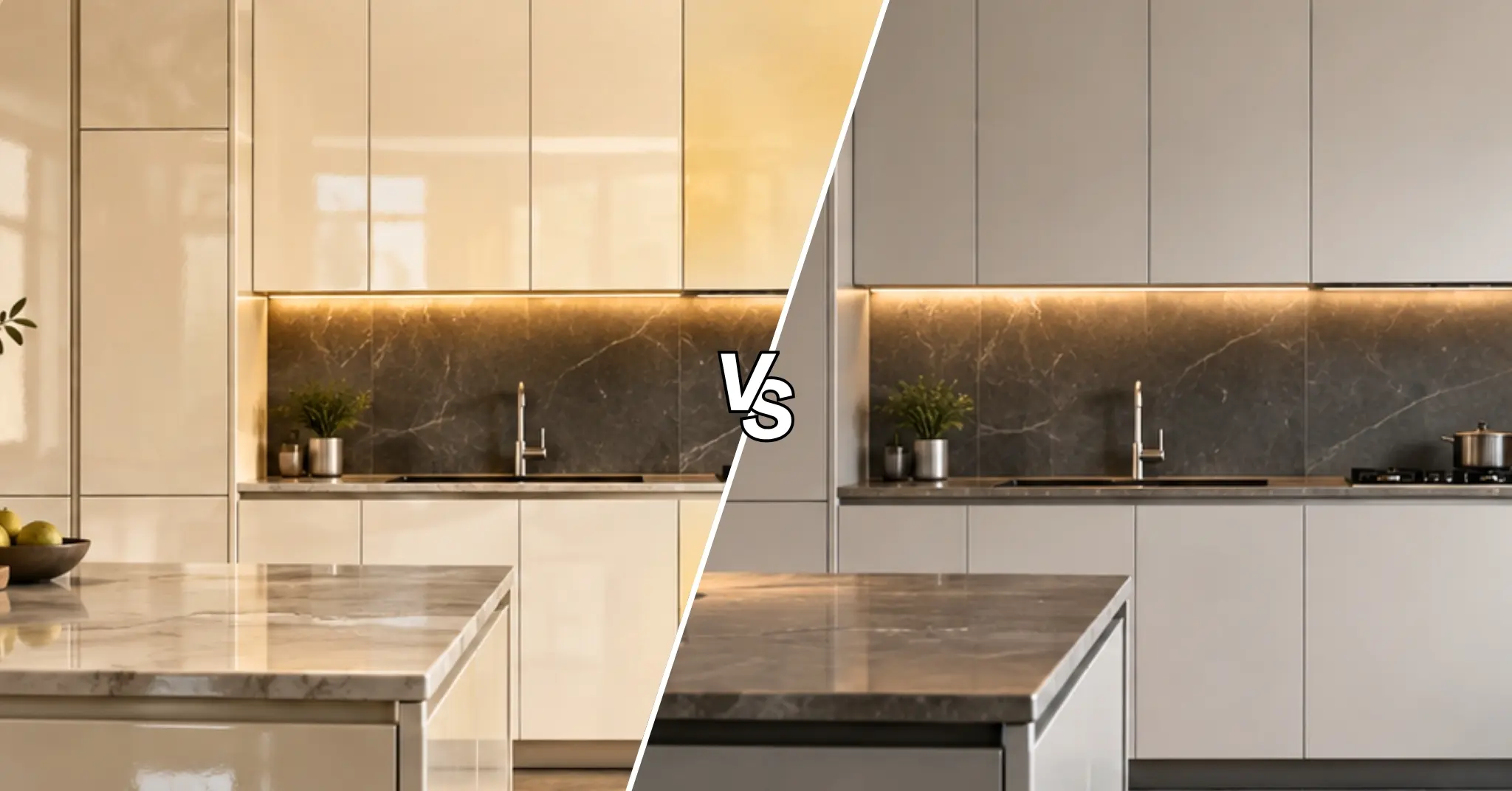
The primary difference between laminate and veneer lies in authenticity versus practicality. Veneer offers a natural wood look with unique grain patterns, while laminate provides durability, affordability, and ease of maintenance.
Laminates are more resistant to scratches, moisture, and stains. Veneers, while beautiful, are more sensitive to wear and require periodic polishing.
Cost is another differentiating factor. Laminates are generally more budget-friendly, while veneers fall into a higher price range due to their natural material and finishing process.
At Studio Mavi, the choice between laminate and veneer is always guided by how the space will be used rather than just visual preference.
What Works Better for Wardrobes
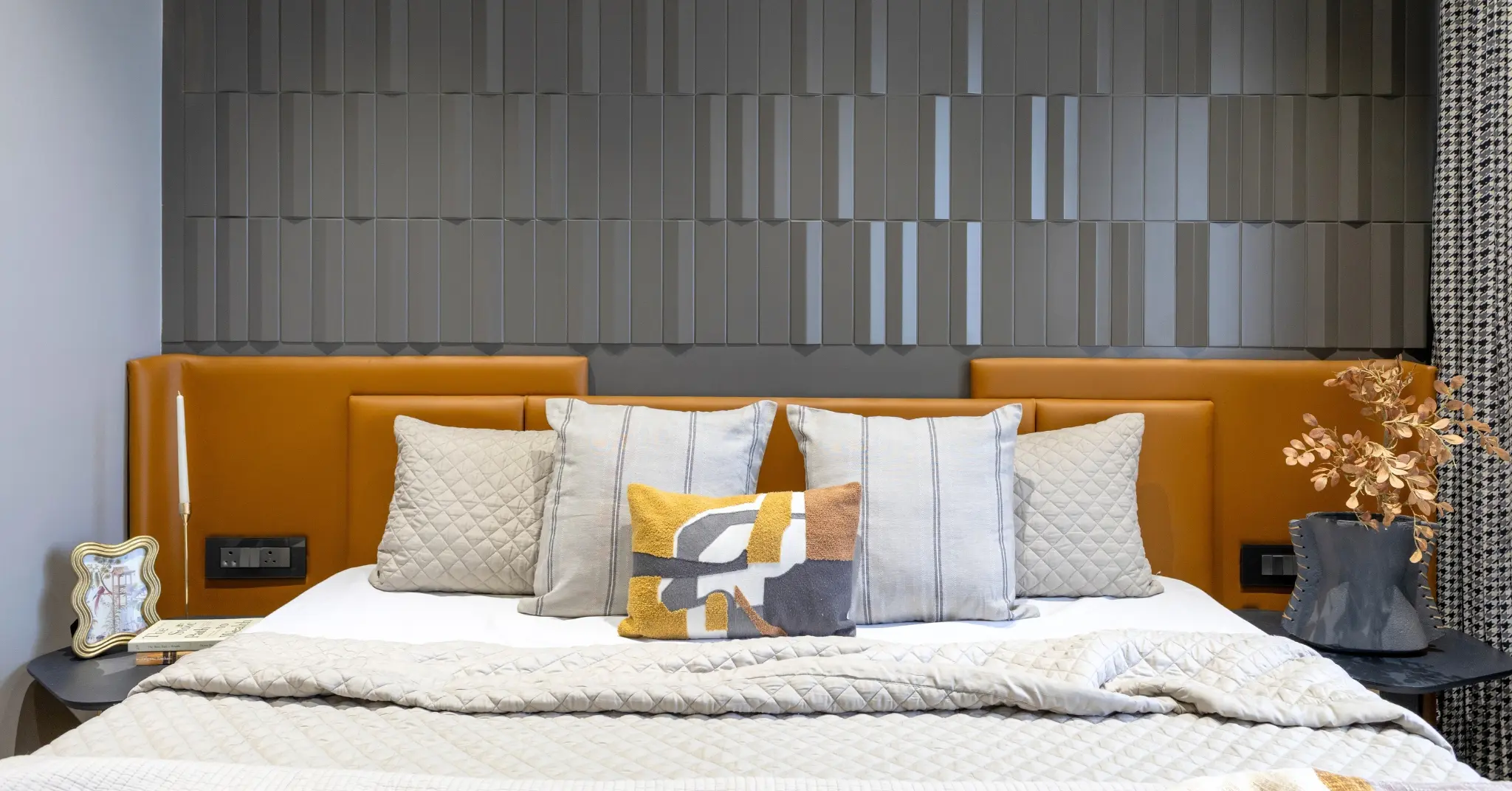
Wardrobes are among the most frequently used elements in a home. They require finishes that can withstand daily handling, scratches, and long-term wear.
Laminates are often the preferred choice for wardrobes because they are durable and easy to maintain. Matte laminates, in particular, are resistant to fingerprints and scratches, making them ideal for everyday use.
Veneers can also be used for wardrobes, especially in master bedrooms where a more refined and natural look is desired. However, they require more care and are better suited for lower-impact areas or premium design schemes.
Studio Mavi frequently uses laminates for functional wardrobes while incorporating veneer selectively for accent panels or feature shutters.
What Works Better for Kitchens
Kitchens demand the highest level of durability. Surfaces are exposed to heat, moisture, grease, and constant cleaning.
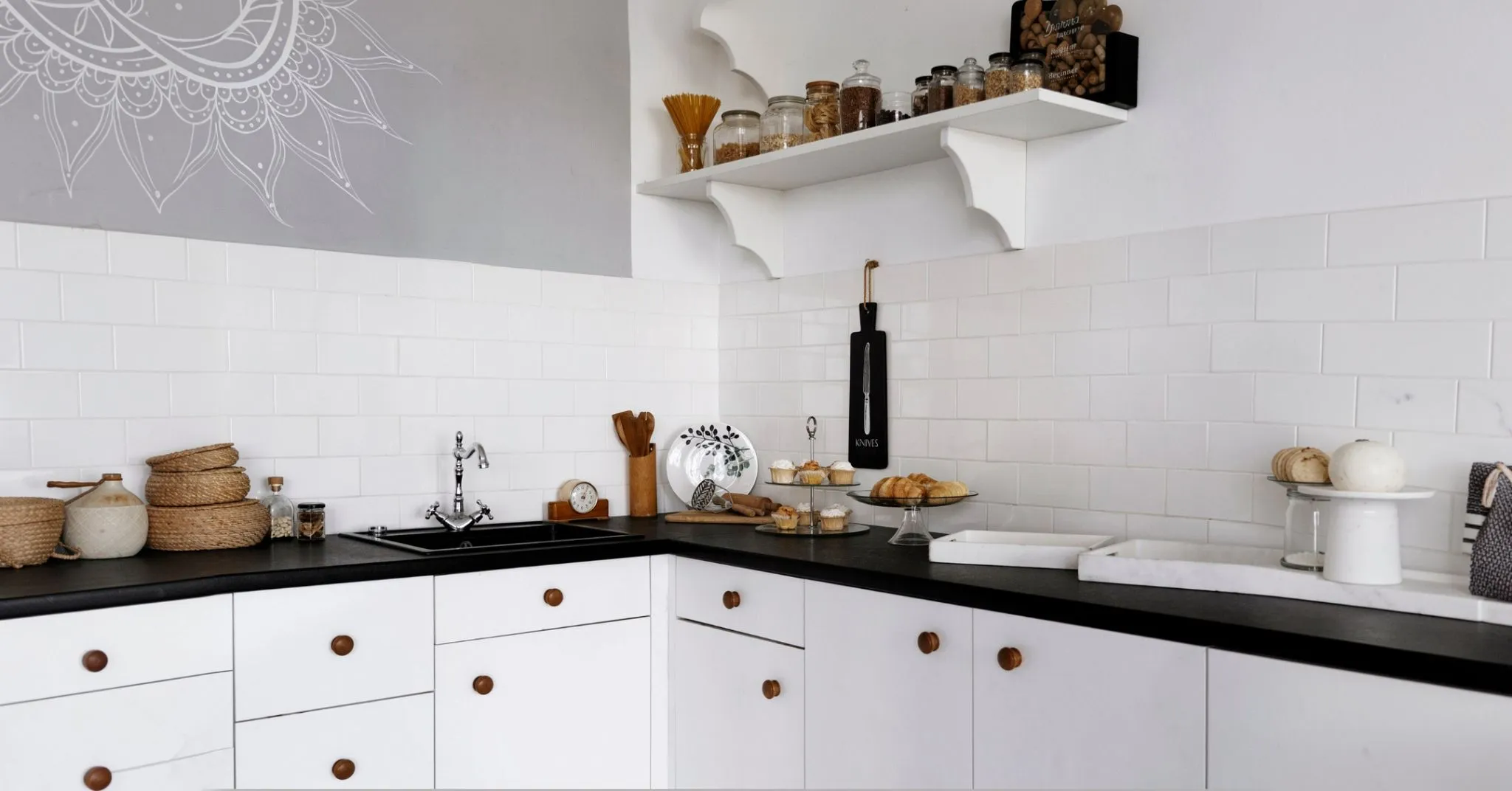
Laminates are the most practical choice for kitchen cabinetry. They are resistant to moisture, easy to clean, and available in finishes that suit both modern and traditional kitchens.
Veneer is generally not recommended for heavy-use kitchen areas because it can be affected by moisture and requires more maintenance. However, it can be used in dry zones or as decorative elements in open kitchens.
Studio Mavi prioritises laminates in kitchens to ensure long-term performance while maintaining a clean and cohesive look.
What Works Better for Wall Panels
Wall panels offer more flexibility in material choice because they are not subjected to heavy wear. Both laminate and veneer can work well depending on the design intent.
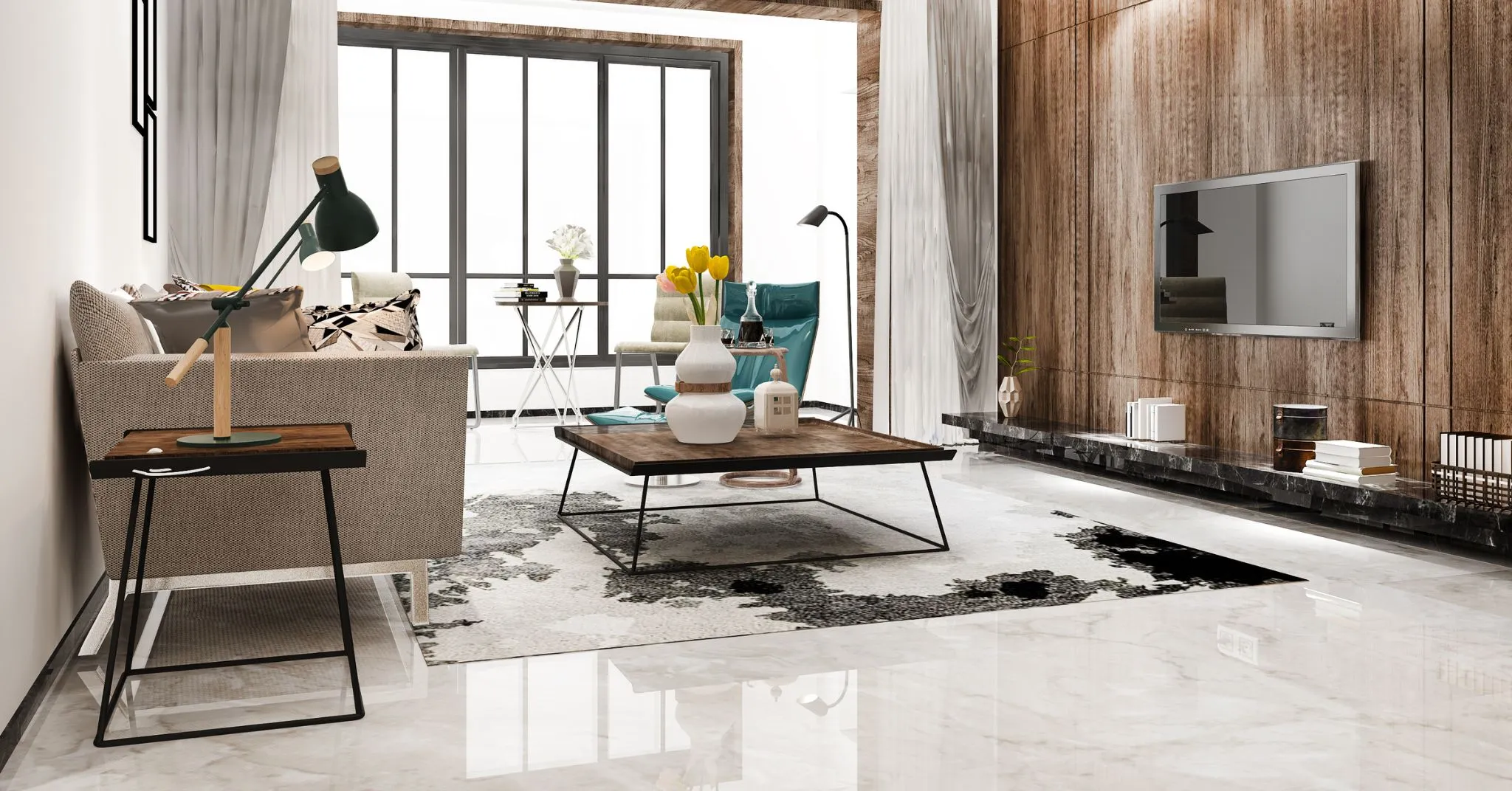
Veneer is often preferred for feature walls because of its natural grain and rich appearance. It adds warmth and depth, making it ideal for living rooms and bedrooms.
Laminates, on the other hand, are suitable for large wall surfaces where consistency and cost control are important. Textured laminates can also mimic natural materials effectively.
Studio Mavi often combines both materials—using veneer for focal areas and laminates for larger surfaces—to achieve a balanced and layered design.
Maintenance and Longevity
Maintenance is a key factor in choosing between laminate and veneer. Laminates require minimal upkeep and can be cleaned easily with a damp cloth.
Veneers require more attention. They may need polishing over time to maintain their appearance and should be protected from excessive moisture.
In homes where ease of maintenance is a priority, laminates are generally the better choice. For homeowners who value natural materials and are willing to maintain them, veneer offers a premium aesthetic.
Studio Mavi helps clients evaluate maintenance expectations before finalising material choices.
Cost and Value Considerations
Laminates are more cost-effective and widely available, making them suitable for large-scale applications such as wardrobes and kitchens.
Veneer is more expensive due to its natural origin and finishing process. However, it adds significant visual value and is often used in premium interiors.
A balanced approach—using laminate for functional areas and veneer for highlights—often delivers the best combination of cost and design impact.
Final Thoughts
The laminate vs veneer decision ultimately depends on where and how the material will be used. Laminates offer durability, affordability, and ease of maintenance, making them ideal for high-use areas like kitchens and wardrobes.
Veneers provide natural beauty and warmth, making them suitable for feature walls and premium interior elements. When used thoughtfully, both materials can coexist within the same home to create a balanced and refined design.
As one of the best interior design studios in Pune, Studio Mavi approaches material selection with a practical and design-focused mindset. By aligning material choices with lifestyle, usage, and long-term expectations, interiors can achieve both functionality and lasting visual appeal.
FAQs
Which is better for wardrobes, laminate or veneer?
Laminates are more durable and low maintenance, making them better for everyday wardrobe use.
Is veneer more expensive than laminate?
Yes, veneer is generally more expensive due to its natural wood composition.
Can veneer be used in kitchens?
It is not ideal for heavy-use kitchen areas but can be used in dry zones or decorative sections.
Which material lasts longer?
Laminates tend to last longer with minimal maintenance, while veneers require periodic care.
Can laminate look like real wood?
Yes, modern laminates can closely replicate wood textures and finishes.