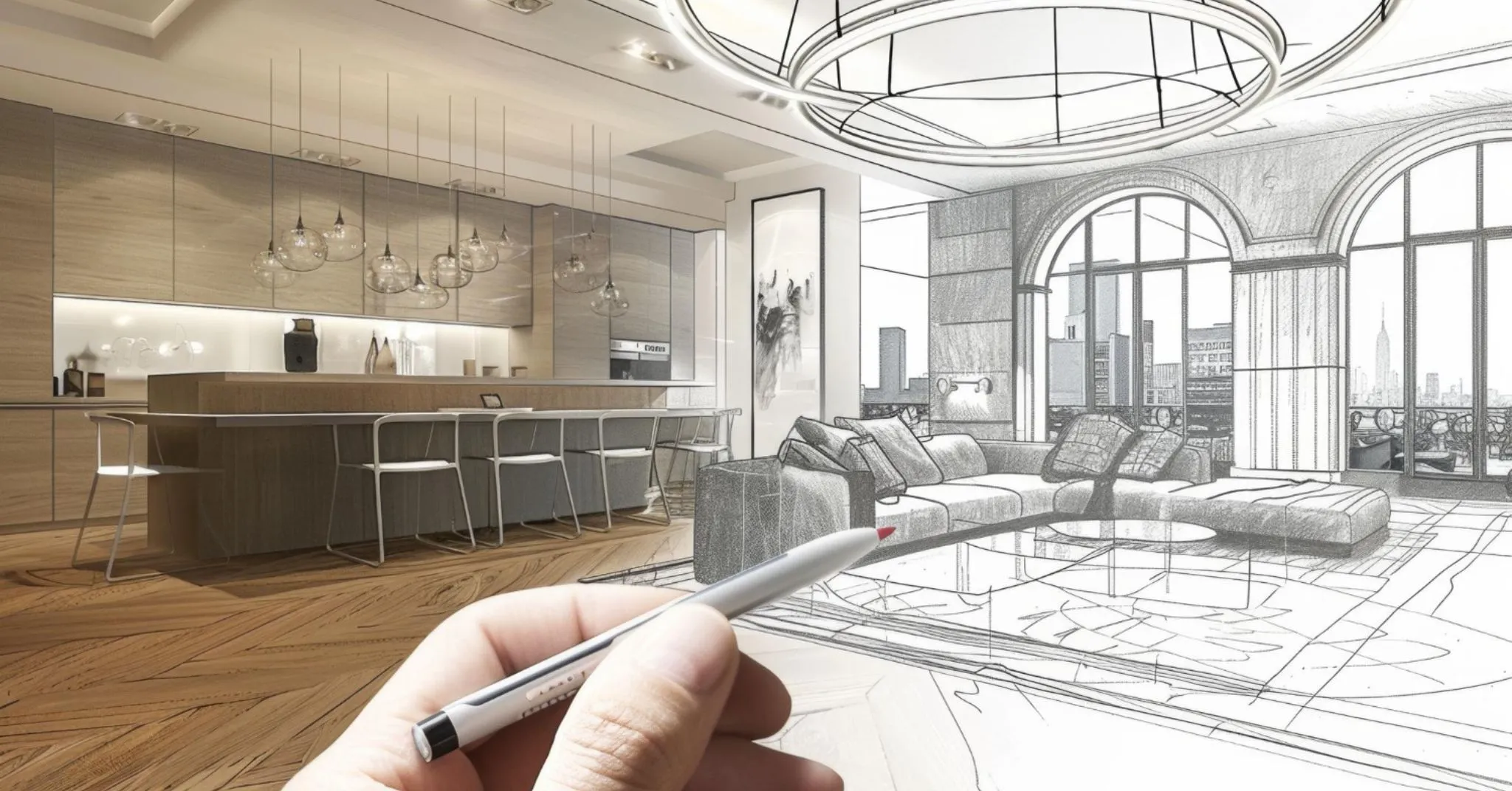
What is interior design? It is one of the most common questions homeowners ask when they begin planning a new home, renovating an existing space, or trying to make their interiors feel more functional. Many people think interior design is only about colours, furniture, and décor. In reality, interior design is the complete planning of an indoor space so that it looks good, works well, supports daily life, and lasts over time.
Interior design includes space planning, layout decisions, furniture placement, lighting, materials, storage, finishes, aesthetics, and execution. A well-designed home is not just beautiful in photographs. It is comfortable to live in, easy to maintain, practical for the family, and aligned with the homeowner’s lifestyle.
At Studio Mavi, interior design is approached as a balance between function, beauty, and long-term usability. As one of the best interior design studios in Pune, Studio Mavi focuses on creating homes that are thoughtfully planned, well executed, and designed around real Indian living conditions.
This guide explains what interior design really means, what interior designers do, how the design process works, and why professional interior design matters.
What is Interior Design?
Interior design is the professional process of planning and shaping indoor spaces. It involves understanding how a space will be used, how people will move through it, what storage is required, what materials will perform well, and how the final space should look and feel.
Interior design is not limited to decoration. Decoration is only one part of the larger process. Interior design looks at the full experience of a space.
A good interior design plan considers:
Room layout
Lighting
Furniture placement
Storage requirements
Material selection
Colour schemes
Wall finishes
Flooring
Ceiling design
Electrical planning
Functionality
Budget
Maintenance
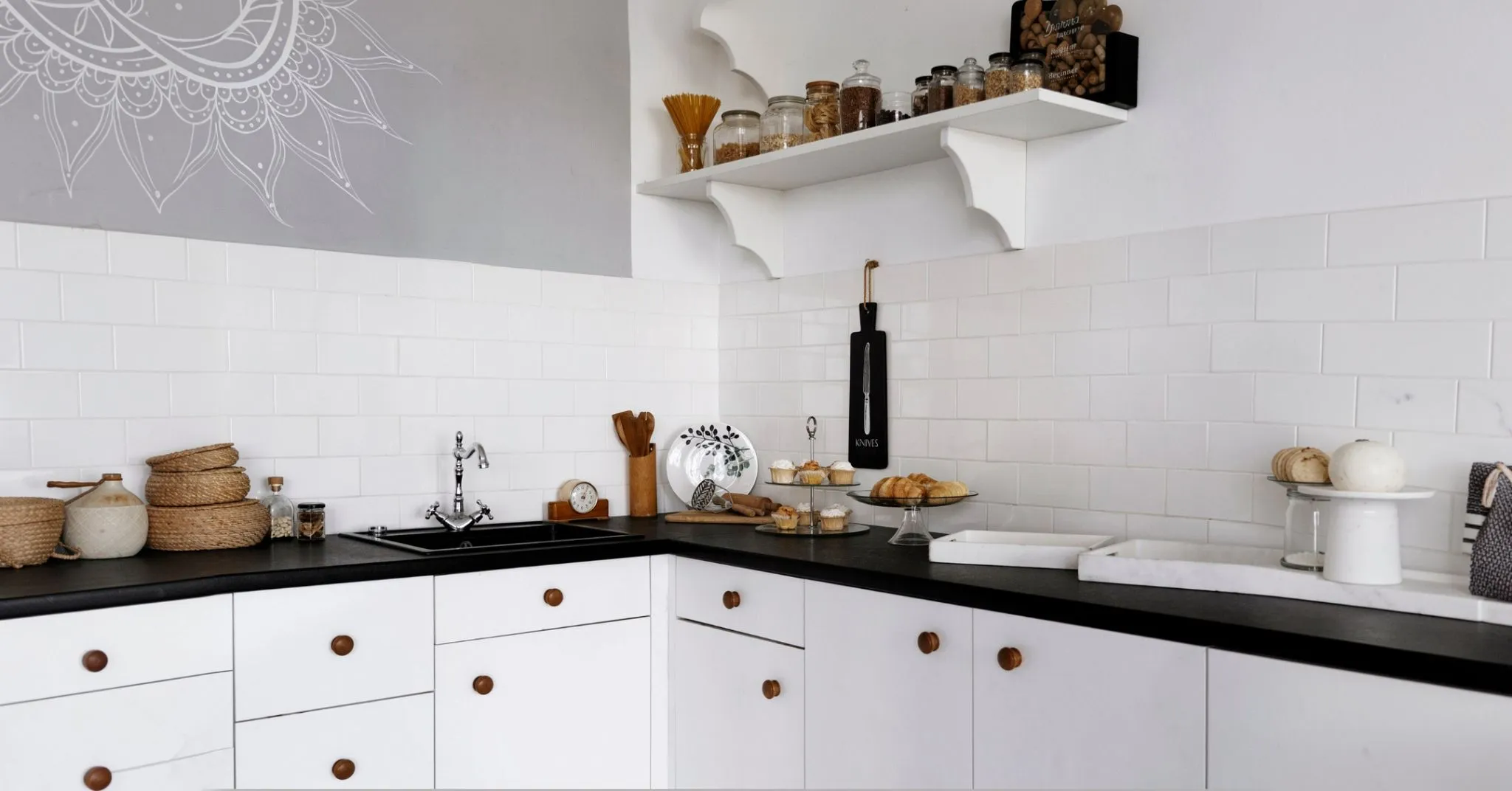
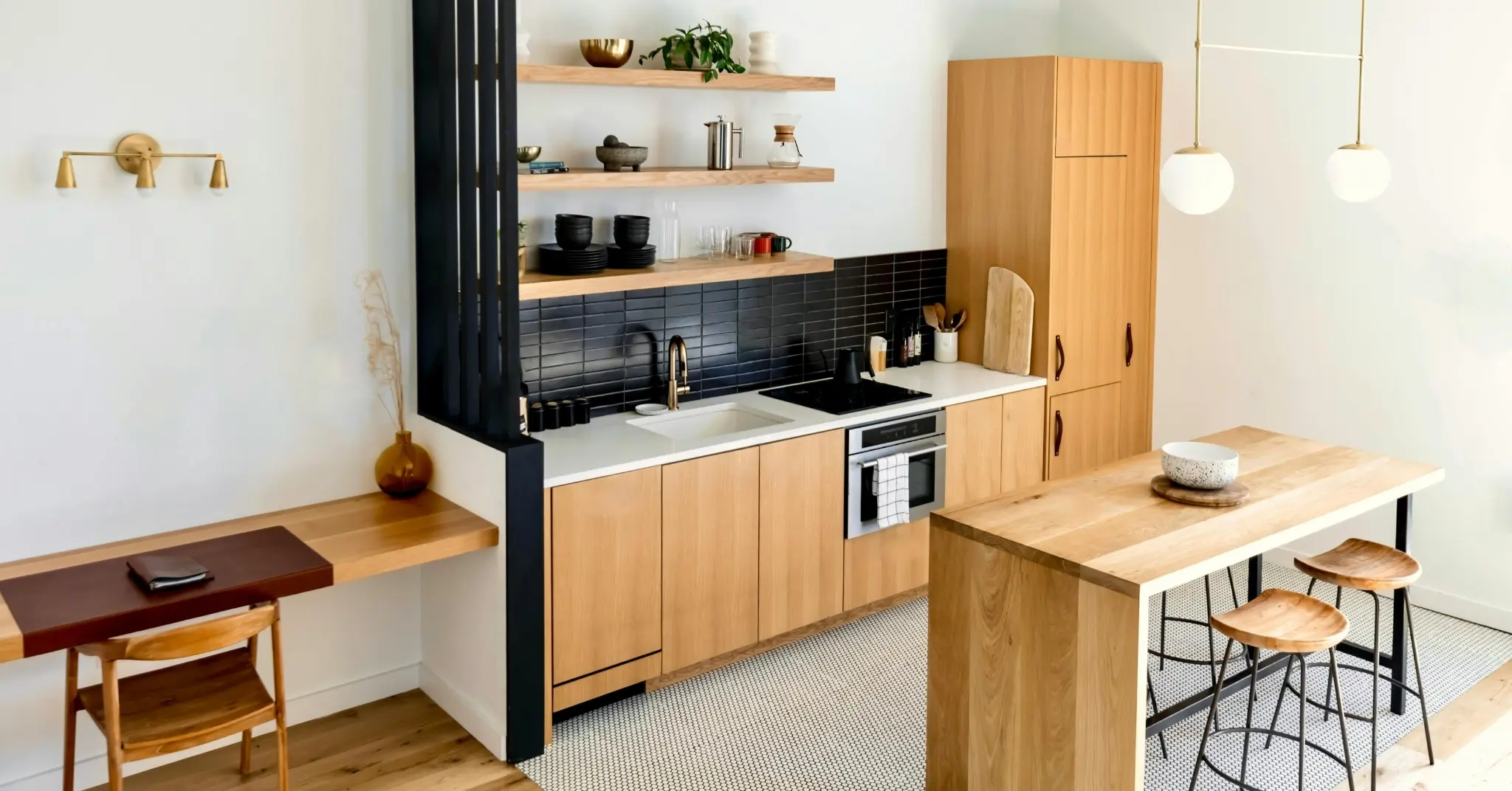
For example, designing a kitchen is not just about choosing cabinet colours. It includes planning the work triangle, counter height, appliance placement, ventilation, storage, lighting, materials, and ease of cleaning. Similarly, designing a bedroom involves more than selecting a bed and curtains. It includes wardrobe planning, circulation space, lighting layers, wall colours, and comfort.
Studio Mavi treats interior design as a complete planning process where every decision supports the way the homeowner lives.
Interior Design vs Interior Decoration
One of the biggest misunderstandings about interior design is that it is the same as interior decoration. While both are connected, they are not the same.
Interior decoration focuses mainly on the visual styling of a space. This includes furniture, curtains, artwork, rugs, accessories, cushions, and decorative elements.
Interior design goes deeper. It includes layout planning, space optimisation, technical coordination, material selection, lighting design, furniture design, and execution planning. A decorator may enhance the appearance of a space, but an interior designer plans how the space functions from the inside out.
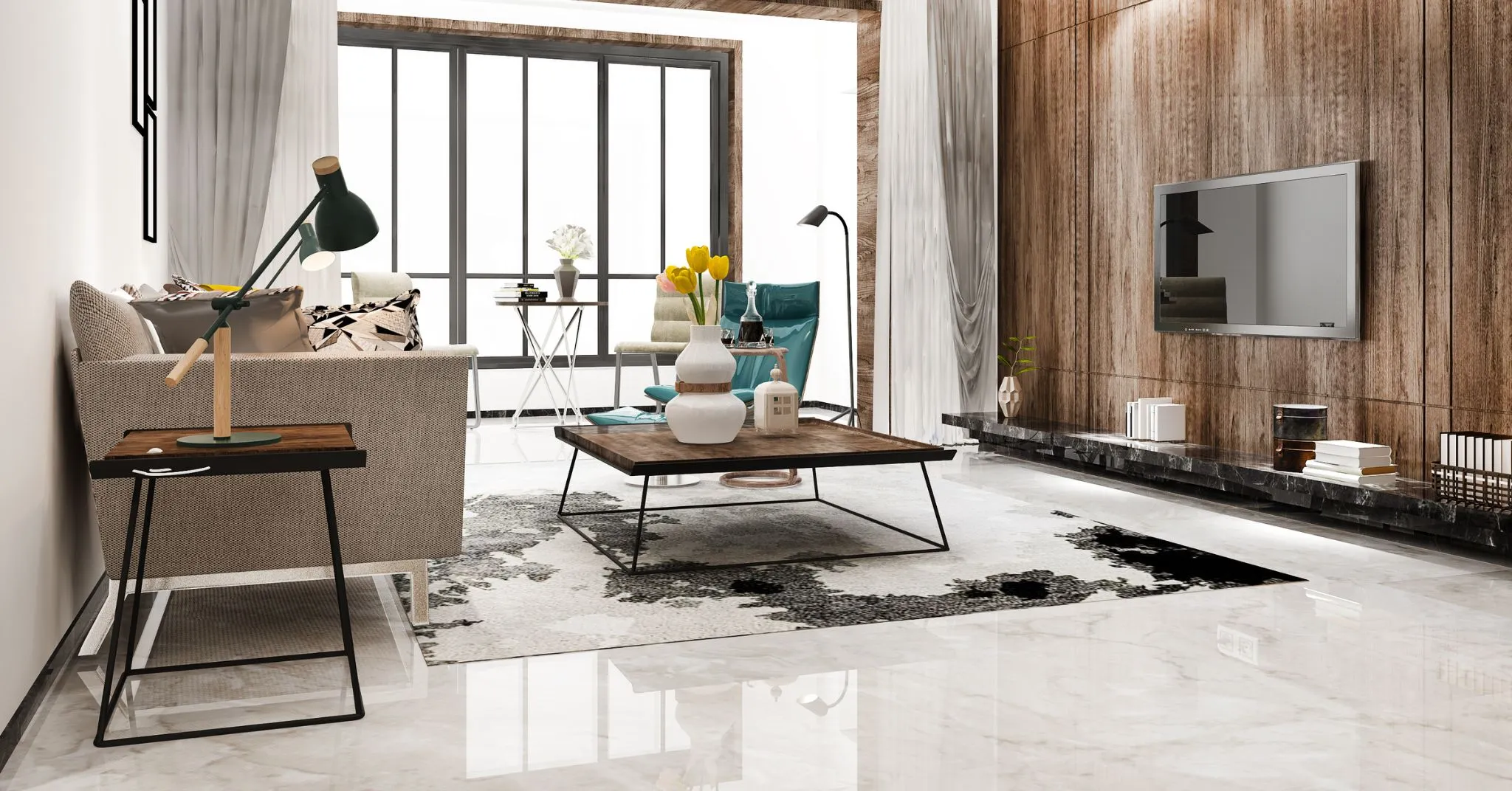
For example, if a living room looks attractive but does not have enough seating, poor lighting, cluttered movement, and no storage, it may be decorated well but not designed well.
Studio Mavi focuses on both design and styling, but the foundation always begins with planning. This ensures that the final home is not only elegant but also practical.
Why Interior Design Matters
Interior design matters because homes are used every day. A poorly planned space can create discomfort, clutter, wasted corners, poor lighting, and long-term maintenance issues. A well-designed space improves daily living.
Good interior design helps homeowners:
Use space efficiently
Create better storage
Improve comfort
Enhance natural light
Reduce clutter
Choose durable materials
Improve movement between rooms
Create a consistent visual style
Avoid costly mistakes
Increase long-term value
In Indian homes, interior design is especially important because spaces often need to serve multiple functions. A living room may also become a work-from-home zone. A bedroom may need a study corner. A balcony may become a reading area, utility zone, or indoor garden. Kitchens need to handle heavy daily use, moisture, heat, and storage demands.
Studio Mavi designs homes with these realities in mind. The goal is not just to create a stylish interior, but to make everyday living easier.
What Do Interior Designers Do?
Interior designers study the space, understand the client’s needs, and create a plan that brings together function, aesthetics, and execution.
The work of an interior designer usually includes:
Understanding the homeowner’s lifestyle
Studying the site and available space
Creating layouts and furniture plans
Planning storage
Selecting materials and finishes
Designing wardrobes, kitchens, and furniture
Planning lighting and electrical points
Choosing colour palettes
Coordinating with vendors and contractors
Supervising execution
Ensuring design consistency
An interior designer also helps homeowners make informed decisions. For example, which laminate is better for a kitchen? What type of wardrobe finish is easier to maintain? Where should task lighting be placed? How much storage is enough? Which materials should be avoided in moisture-prone areas?
Studio Mavi guides homeowners through these decisions so that the final home feels cohesive, functional, and built for long-term use.
The Interior Design Process
Every studio may follow a slightly different process, but most interior design projects move through a few important stages.
1. Understanding the Brief
The first step is understanding the homeowner’s lifestyle, taste, family needs, budget, and expectations. This stage defines the direction of the project.
At Studio Mavi, this stage is important because every home is different. A young couple, a joint family, a work-from-home professional, and a family with children all need different interior solutions.
2. Space Planning
Space planning is one of the most important parts of interior design. It decides how each room will be used, where furniture will be placed, and how people will move through the space.
Good space planning prevents overcrowding and ensures that every corner has a purpose.
3. Concept and Design Direction
Once the layout is clear, the designer creates the visual direction. This includes colour palette, materials, textures, finishes, furniture style, and overall mood.
This is where the personality of the home begins to take shape.
4. Material and Finish Selection
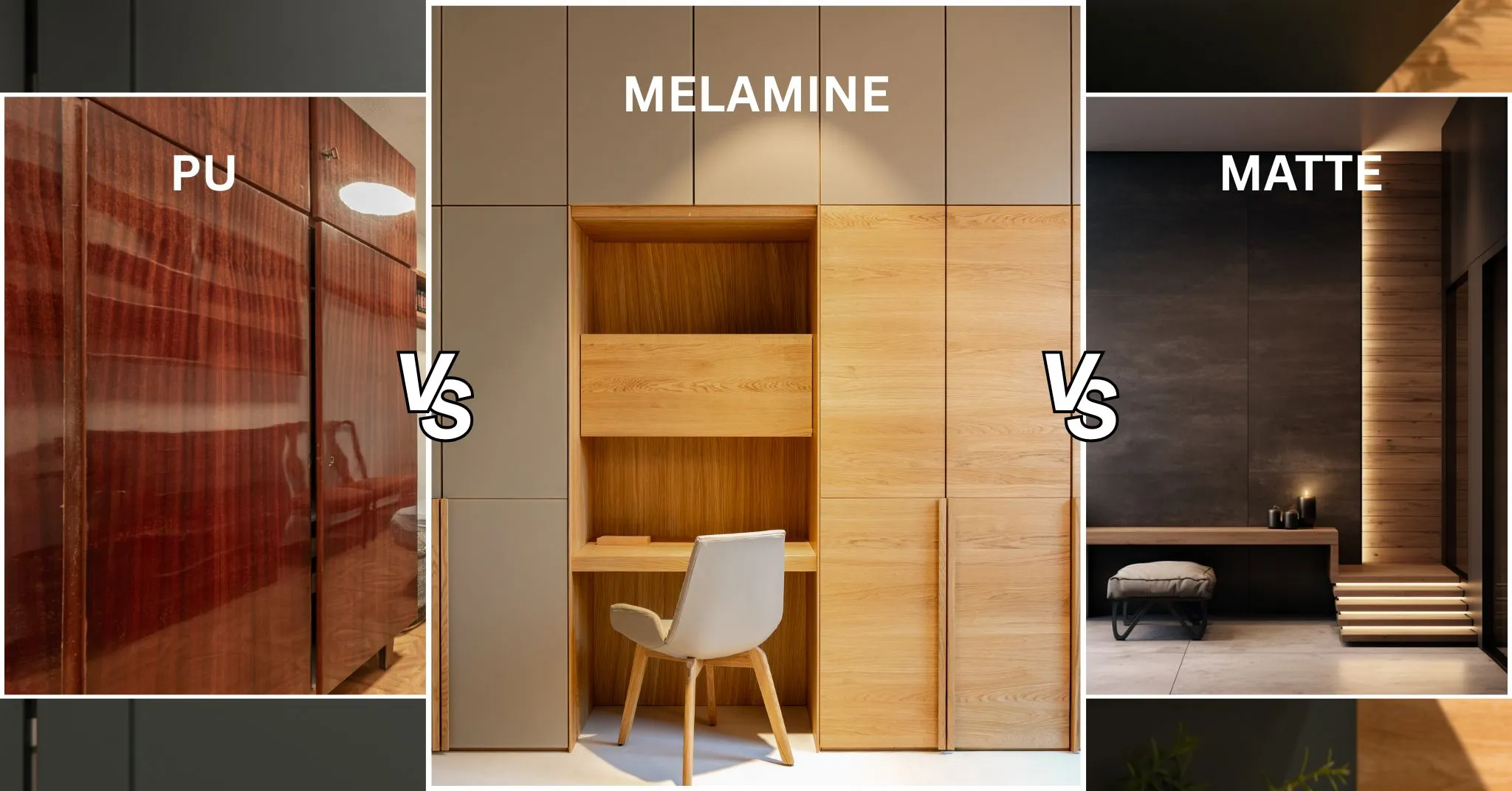
Materials affect both appearance and performance. Flooring, laminates, veneers, paints, fabrics, hardware, glass, stone, and metal finishes must be selected carefully.
Studio Mavi prioritises materials that balance aesthetics with durability, especially for Indian homes where dust, moisture, sunlight, and daily use are major factors.
5. Technical Planning
Interior design also includes technical coordination. Electrical points, lighting plans, plumbing requirements, false ceiling details, furniture dimensions, and site measurements must be planned accurately.
Without technical planning, even a beautiful design can fail during execution.
6. Execution and Supervision
The final stage is execution. Carpenters, painters, electricians, fabricators, and vendors work together to bring the design to life. Supervision ensures that the final outcome matches the approved plan.
Studio Mavi places strong emphasis on execution quality because the success of interior design depends on both idea and implementation.
Discover Studio Mavi’s design approach to see how concept, planning, and execution are connected from the beginning of a project.
Key Elements of Interior Design
Interior design is made up of several connected elements. Each one plays an important role in the final outcome.
Space
Space is the foundation of interior design. Designers study available space and decide how to use it efficiently. This includes open areas, storage zones, movement paths, furniture placement, and functional corners.
Light
Lighting can completely change how a home feels. Interior design uses natural light, ambient lighting, task lighting, and accent lighting to create comfort and depth.
A kitchen needs strong task lighting. A living room may need warm layered lighting. A bedroom needs softer lighting for rest. Studio Mavi plans lighting according to function, not just appearance.
Colour
Colour affects mood, proportion, and visual harmony. Light colours can make a small room feel larger, while darker tones can add richness and depth. Interior designers use colour to create balance across the home.
Materials
Materials decide how a home looks, feels, and performs. The right material selection can reduce maintenance and improve durability.
For example, kitchens need moisture-resistant and easy-to-clean surfaces. Bedrooms can use softer textures. High-use areas need finishes that can handle wear.
Furniture
Furniture must suit the size of the room and the lifestyle of the homeowner. Oversized furniture can make a space feel cramped, while poorly planned furniture can reduce usability.
Interior design ensures that furniture is proportionate, functional, and visually aligned with the space.
Storage
Storage is one of the most important needs in Indian homes. Wardrobes, kitchen cabinets, lofts, vanity units, shoe racks, study storage, and hidden storage must be planned carefully.
Studio Mavi integrates storage into the design so that the home remains clean, organised, and easy to use.
Is Interior Design Only for Luxury Homes?
No, interior design is not only for luxury homes. Every home benefits from thoughtful planning. Whether the space is compact, mid-sized, premium, or large, interior design helps improve function and comfort.
In fact, smaller homes often need interior design even more because every inch matters. Good planning can make a compact home feel more spacious, organised, and comfortable.
Studio Mavi works with the belief that interior design should be purposeful. Luxury is not only about expensive materials. It is about clarity, comfort, proportion, quality, and thoughtful details.
Why Hire an Interior Designer?
Hiring an interior designer helps homeowners avoid confusion and costly mistakes. Many people begin home interiors by selecting furniture or finishes first, but without a complete plan, the space can quickly become inconsistent.
An interior designer helps bring structure to the process.
Professional interior design can help with:
Better space utilisation
Clear budgeting
Material guidance
Design consistency
Vendor coordination
Execution quality
Time management
Long-term durability
Studio Mavi supports homeowners through each stage of this process. From concept to execution, the studio helps translate ideas into a home that is functional, refined, and personal.
Interior Design in Indian Homes
Interior design in India has its own unique requirements. Homes must be designed for climate, family structure, storage habits, cooking styles, festivals, maintenance, and daily routines.
For example, Indian kitchens often require more storage, stronger ventilation, and durable surfaces. Living rooms may need to accommodate guests, family gatherings, and daily relaxation. Bedrooms may need wardrobes, dressers, work desks, and hidden storage within limited space.
Interior design in Indian homes must also consider dust, heat, humidity, sunlight, and long-term wear. A material that looks good in a showroom may not always perform well in daily use.
Studio Mavi designs homes with these practical conditions in mind, ensuring that every design choice works in real life.
Final Thoughts
So, what is interior design? Interior design is the complete planning of an indoor space so that it becomes functional, beautiful, comfortable, and suitable for everyday living. It is not just about decoration. It is about how a home works, how it feels, how it supports routines, and how well it lasts over time.
A well-designed home brings together layout, lighting, furniture, materials, storage, colours, and execution. When these elements are planned carefully, the result is a space that feels effortless and personal.
Studio Mavi approaches interior design with this balance in mind. By combining practical planning, thoughtful aesthetics, and careful execution, Studio Mavi creates homes that are not only visually appealing but also deeply livable.
For homeowners trying to understand what interior design means, the simplest answer is this: interior design is the art and planning of making a space work beautifully for the people who live in it.
FAQs
What is interior design in simple words?
Interior design is the planning and designing of indoor spaces to make them functional, comfortable, beautiful, and suitable for daily use.
What does an interior designer do?
An interior designer plans layouts, furniture, lighting, materials, colours, storage, finishes, and execution details for a home or indoor space.
Is interior design the same as decoration?
No. Decoration focuses mainly on styling and visual elements, while interior design includes space planning, functionality, materials, lighting, technical details, and execution.
Why is interior design important?
Interior design is important because it improves comfort, space usage, storage, lighting, aesthetics, and the long-term usability of a home.
Is interior design only for big homes?
No. Interior design is useful for homes of all sizes. Compact homes often benefit greatly from smart planning and efficient storage.
What is the first step in interior design?
The first step is understanding the homeowner’s needs, lifestyle, budget, space, and design preferences.
How does Studio Mavi approach interior design?
Studio Mavi approaches interior design through practical planning, thoughtful material selection, strong execution, and a focus on homes that are both beautiful and easy to live in.