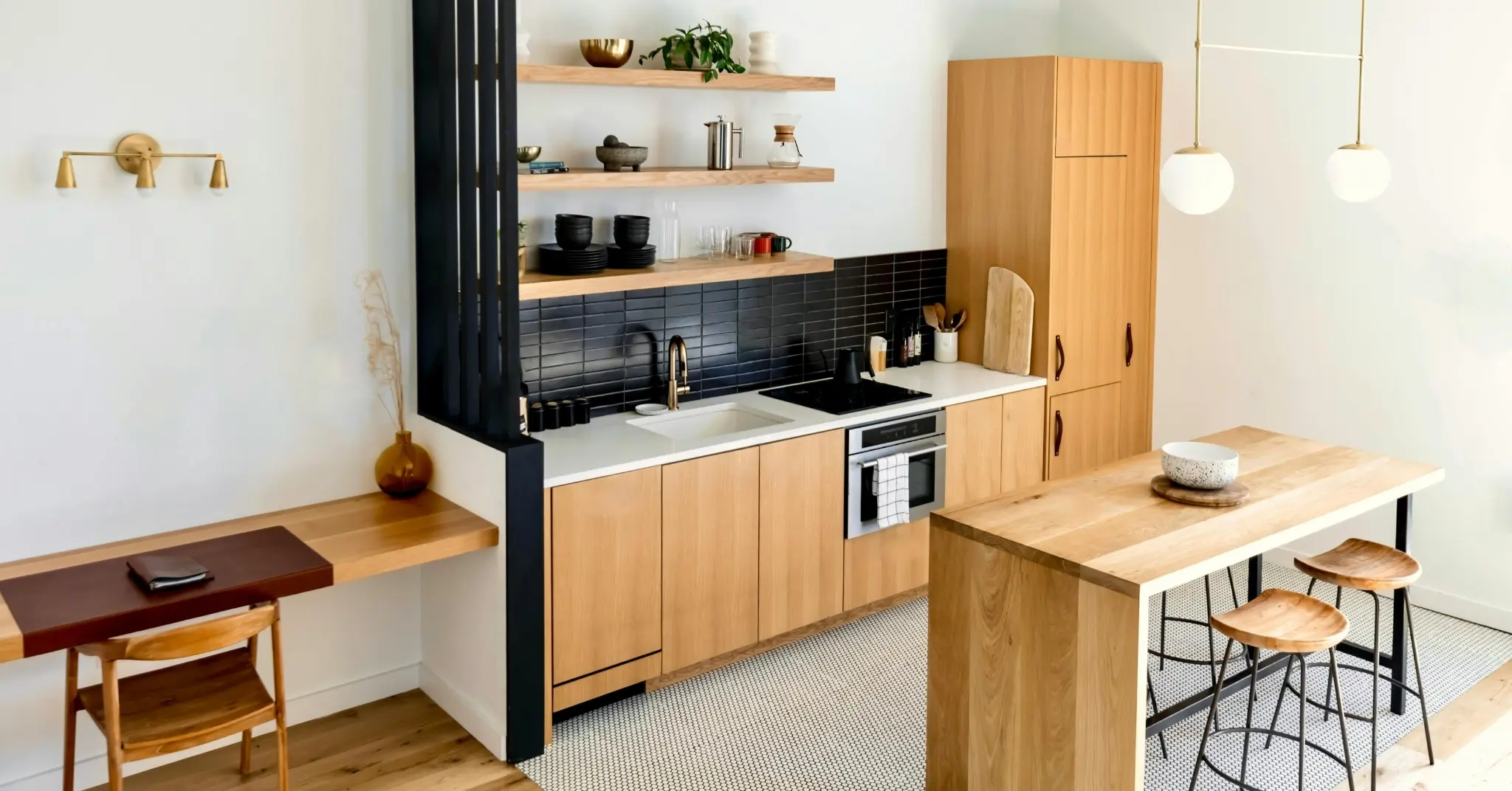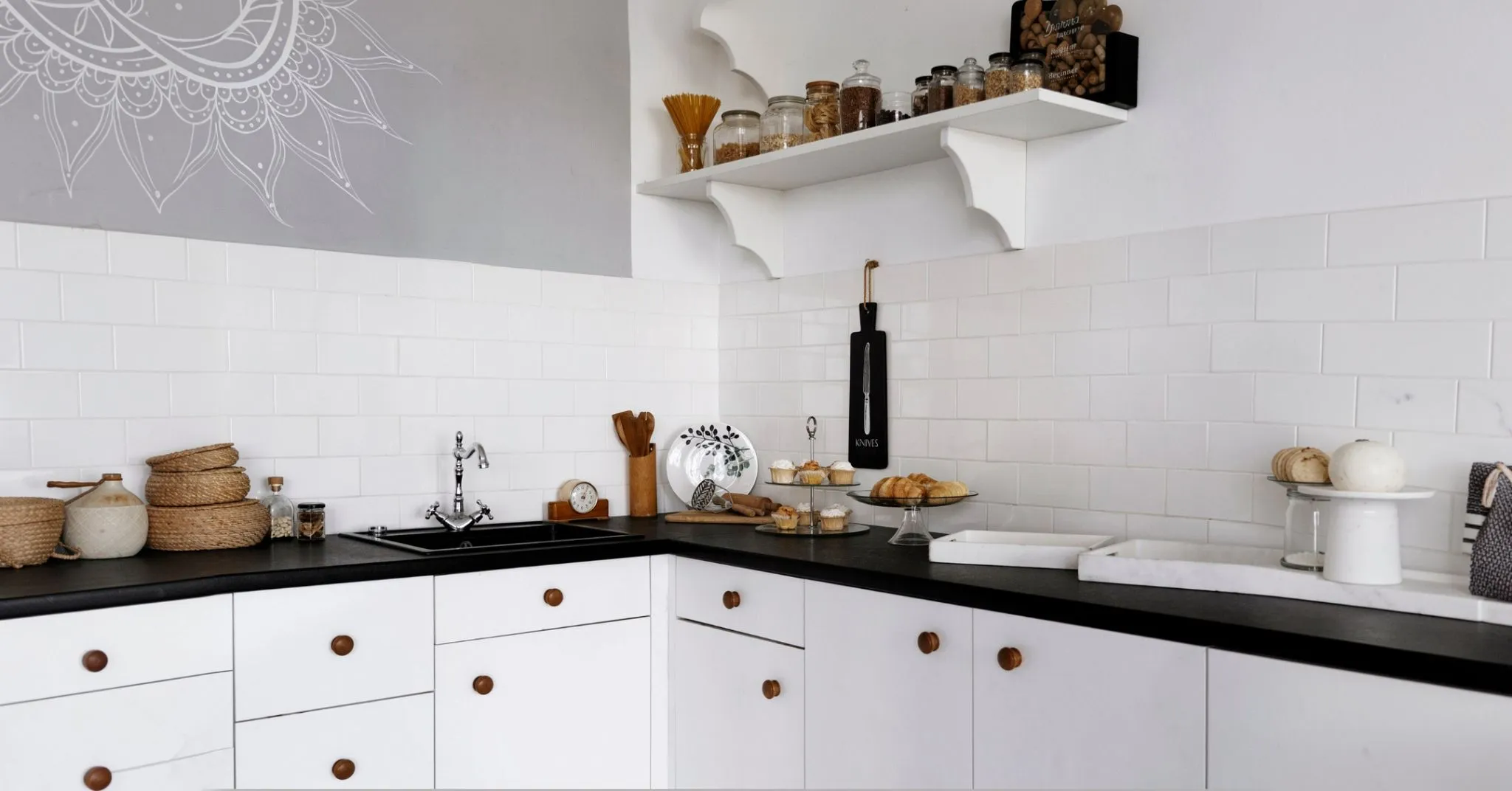
Non-modular kitchen designs continue to be a practical and popular choice for many Indian homes despite the rise of modular kitchens. While modular kitchens dominate modern interior discussions, non-modular kitchens remain relevant because of their flexibility, affordability, durability, and ability to adapt to traditional cooking habits.
For many homeowners, especially those renovating older homes, independent houses, bungalows, or large family residences, non-modular kitchens offer advantages that modular systems sometimes cannot. They can be customised extensively, accommodate traditional storage methods, and often integrate more naturally with the architectural character of the home.
At Studio Mavi, recognised as one of the best interior design studios in Pune, kitchen design is never approached through trends alone. The focus is always on how a family cooks, stores, entertains, and uses the space every day.
This is why non-modular kitchen designs continue to have an important place in modern Indian interiors.
What Is a Non-Modular Kitchen?
A non-modular kitchen is a kitchen built on-site using traditional carpentry and masonry methods rather than factory-manufactured cabinet modules.
Unlike modular kitchens, which consist of pre-engineered cabinet units assembled together, non-modular kitchens are typically constructed directly within the available space.
These kitchens often use:
- Masonry platforms
- Custom-built storage units
- On-site carpentry
- Individually designed cabinets
Traditional Indian kitchens historically followed this approach long before modular systems became popular.
Why Non-Modular Kitchens Still Make Sense
Many homeowners assume modular kitchens are automatically superior. However, the reality depends on lifestyle and project requirements.
Non-modular kitchens continue to offer advantages such as:
- Greater design flexibility
- Better adaptation to irregular layouts
- Easier local customisation
- Lower initial investment in many cases
- Traditional storage compatibility
For homes that prioritise functionality over trends, a well-designed non-modular kitchen can perform exceptionally well.
Better Suitability for Traditional Indian Cooking
Indian cooking often involves:
- Heavy utensils
- Large storage requirements
- Frequent use of spices
- Bulk grocery storage
- High-heat cooking
Many traditional households require storage solutions that extend beyond the standard dimensions used in modular systems.
Non-modular kitchens can accommodate:
- Large vessels
- Traditional containers
- Dedicated pantry sections
- Extended countertop areas
Studio Mavi frequently designs kitchens around actual cooking patterns rather than standard cabinet templates.
Flexibility in Layout Planning
One major advantage of non-modular kitchen design is flexibility.
Because the kitchen is built on-site, designers are not constrained by predefined cabinet dimensions.
This allows:
- Better utilisation of awkward corners
- Adaptation to unusual layouts
- Easier integration with older homes
- Custom storage planning
In many renovation projects, this flexibility becomes a significant advantage.
Cost Considerations
Cost is often a deciding factor when comparing kitchen options.
Depending on materials and finishes, non-modular kitchens can be more economical than fully modular systems.
Savings often come from:
- Local fabrication
- Simplified hardware requirements
- Reduced factory manufacturing costs
However, the final cost depends heavily on:
- Material choices
- Finish specifications
- Hardware selection
- Design complexity
Studio Mavi evaluates kitchen budgets holistically to ensure homeowners invest where it matters most.
Material Choices in Non-Modular Kitchens
One misconception is that non-modular kitchens use inferior materials.
In reality, they can incorporate many of the same high-performance materials used in modular kitchens, including:
- BWP plywood
- Granite countertops
- Quartz surfaces
- High-pressure laminates
- Soft-close hardware
The difference lies primarily in fabrication methodology rather than material quality.
This allows homeowners to achieve durable, modern kitchens while retaining traditional planning principles.
Easier Long-Term Repairs and Modifications
One practical advantage of non-modular kitchens is repair accessibility.
Since the kitchen is built on-site:
- Individual components can often be repaired locally
- Modifications are easier
- Custom additions can be integrated later
This flexibility becomes valuable as family needs evolve over time.
Studio Mavi frequently discusses future adaptability during kitchen planning to ensure spaces remain useful for years.
Traditional Aesthetics with Modern Functionality
Modern non-modular kitchens do not need to look old-fashioned.
Contemporary designs often combine:
- Clean lines
- Minimalist storage
- Modern finishes
- Advanced hardware systems
with traditional construction methods.
This creates kitchens that feel current while preserving practical benefits.
Many homeowners appreciate this balance because it avoids overly standardised appearances.
Storage Advantages
Storage remains one of the strongest arguments in favour of non-modular kitchens.
Custom-built systems allow:
- Deeper cabinets
- Larger pantry spaces
- Flexible shelf heights
- Dedicated storage zones
For larger families or homes with significant cooking activity, this flexibility can dramatically improve usability.
Studio Mavi often develops detailed storage strategies before finalising kitchen layouts to ensure every inch serves a purpose.
When a Non-Modular Kitchen Is the Better Choice
Non-modular kitchens are particularly suitable for:
- Independent houses
- Renovation projects
- Traditional households
- Large families
- Custom layouts
- Budget-conscious projects
They also work well when homeowners prioritise flexibility and personalised solutions over standardised modular systems.
Common Misconceptions About Non-Modular Kitchens
Myth: They Look Outdated
Modern materials and finishes allow non-modular kitchens to look just as contemporary as modular kitchens.
Myth: They Are Less Durable
Durability depends on material quality and workmanship—not whether the kitchen is modular or non-modular.
Myth: They Cannot Use Modern Hardware
Soft-close hinges, channels, pull-outs, and premium fittings can all be integrated into non-modular kitchens.
Studio Mavi regularly incorporates advanced hardware systems into traditional kitchen frameworks.
Non-Modular vs Modular: Which Is Better?
The answer depends on the household.
Modular kitchens excel in:
- Factory precision
- Faster installation
- Standardisation
Non-modular kitchens excel in:
- Flexibility
- Customisation
- Adaptability
- Traditional usability
Neither is universally better. The best solution depends on the lifestyle and expectations of the homeowner.
Final Thoughts
Non-modular kitchen designs prove that smart living and tradition can coexist beautifully. While modular kitchens continue to dominate modern conversations, traditional kitchen planning still offers significant advantages in flexibility, storage, and adaptability.
A well-designed non-modular kitchen can incorporate modern materials, advanced hardware, and contemporary aesthetics while preserving the practical strengths that have made these kitchens successful for generations.
As one of the best interior design studios in Pune, Studio Mavi believes the best kitchen is not defined by trends—it is defined by how effectively it supports everyday life.
FAQs
What is a non-modular kitchen?
A non-modular kitchen is built on-site using custom carpentry and traditional construction methods.
Are non-modular kitchens cheaper than modular kitchens?
In many cases, yes, though costs depend on materials and finishes.
Can non-modular kitchens look modern?
Absolutely. Modern finishes and hardware can create a contemporary appearance.
Which is more flexible: modular or non-modular kitchens?
Non-modular kitchens generally offer greater layout and storage flexibility.
Can soft-close hardware be used in non-modular kitchens?
Yes, modern hinges, channels, and accessories can easily be integrated.