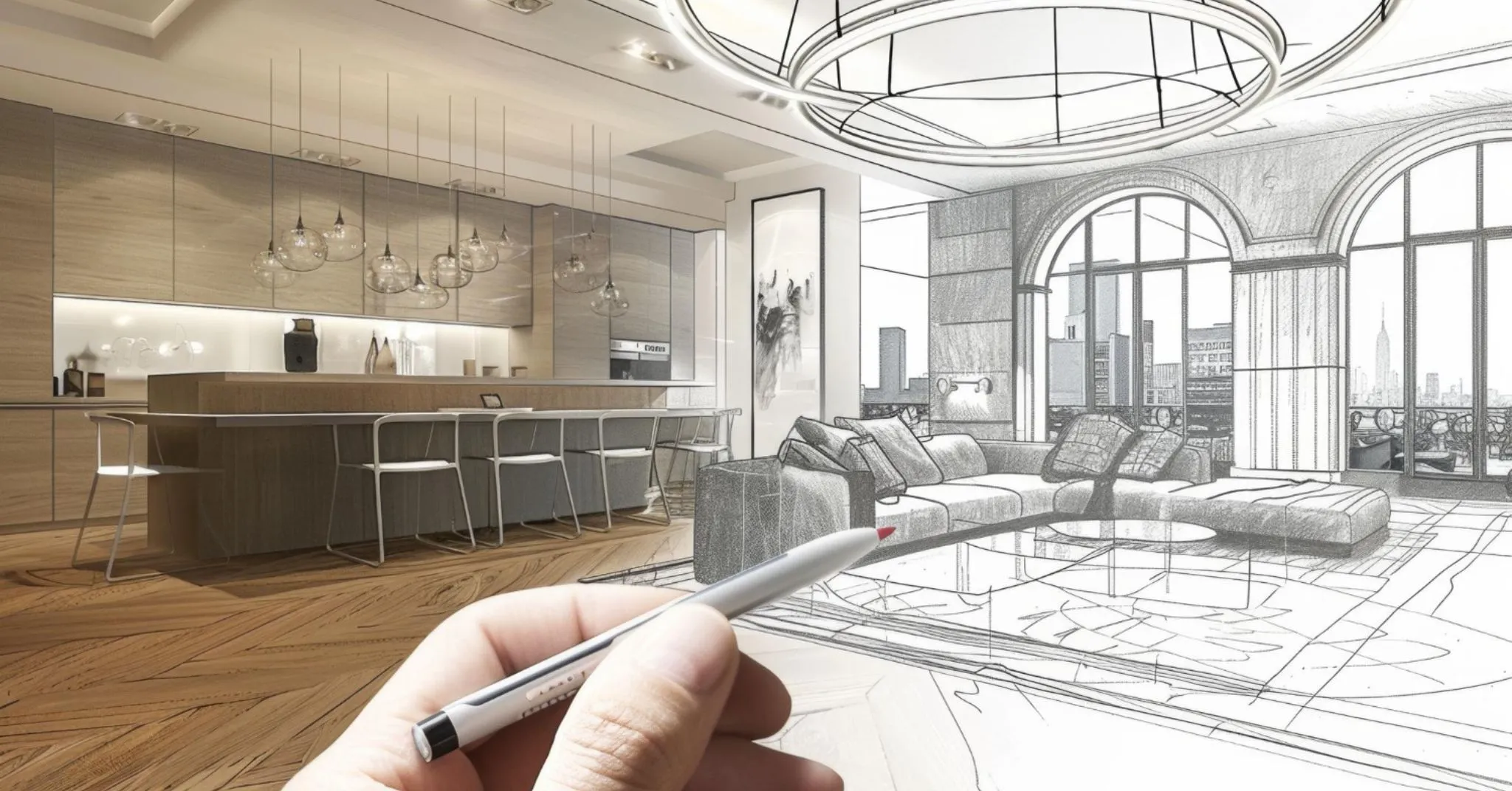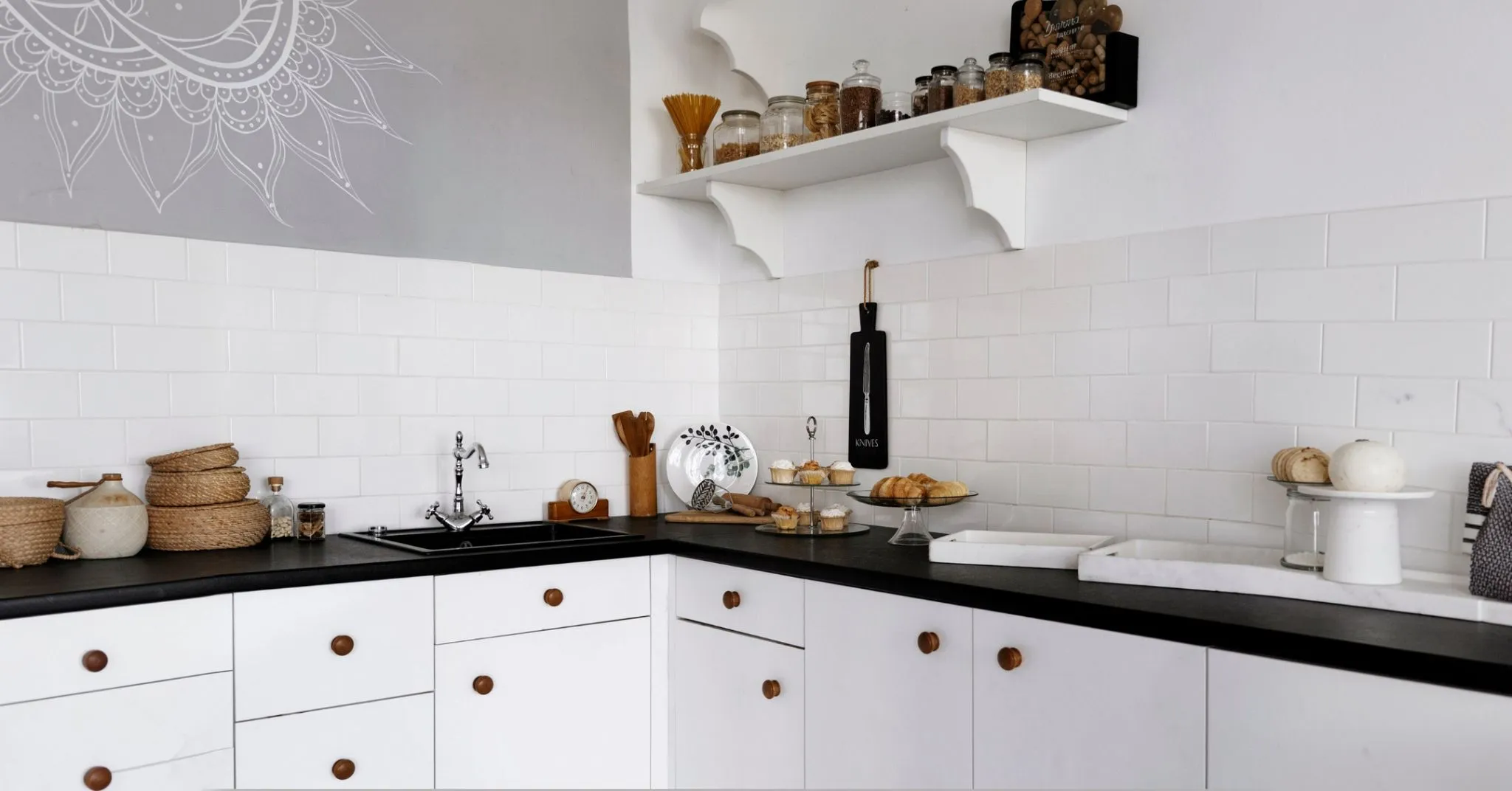
Interior material cost drivers are often misunderstood during home renovation and interior design projects. Many homeowners assume that furniture, labour, or decorative elements consume the majority of the budget. In reality, material selection is often the single biggest factor influencing project cost.
Two kitchens may look similar in photographs yet differ in cost by several lakhs. Likewise, two wardrobes can have nearly identical layouts but vastly different budgets based on material specifications alone.
Understanding which materials drive costs and where smart alternatives exist can help homeowners make informed decisions without compromising aesthetics or long-term performance.
At Studio Mavi, recognised as one of the best interior design studios in Pune, material selection is approached strategically. The goal is not simply to reduce costs but to maximise value by investing where it matters most and optimising where it doesn’t.
Why Material Selection Has Such a Large Impact on Budget
Interior projects consist of three major cost components:
- Materials
- Labour and execution
- Hardware and accessories
In most residential projects, materials typically account for the largest share of the budget. According to construction and interior cost studies, finishes and materials often represent 40–60% of total interior expenditure depending on project scope.
This happens because materials affect virtually every element of a home:
- Flooring
- Kitchens
- Wardrobes
- Wall treatments
- Countertops
- Furniture
- Ceiling finishes
A small upgrade repeated across multiple rooms can significantly increase the overall budget.
Natural Stone: One of the Biggest Budget Drivers
Natural stones such as marble, imported granite, travertine, and exotic quartzite are among the largest contributors to interior costs.
While these materials offer:
- Natural beauty
- Unique patterns
- Long lifespan
They also involve:
- Higher procurement costs
- Transportation expenses
- Installation complexity
- Material wastage during cutting
The geology and extraction processes associated with natural stone are well documented in references discussing marble, granite, and dimension stone.
Smart Alternative
Large-format porcelain tiles now replicate marble remarkably well while offering:
- Lower costs
- Easier maintenance
- Better stain resistance
- Reduced installation expenses
Studio Mavi frequently recommends high-quality porcelain alternatives in areas where natural stone’s premium cost does not deliver proportional value.
Veneer Finishes
Natural wood veneer remains one of the most desirable finishes in interior design because of its authenticity and warmth.
However, veneer costs increase due to:
- Natural material sourcing
- Skilled polishing work
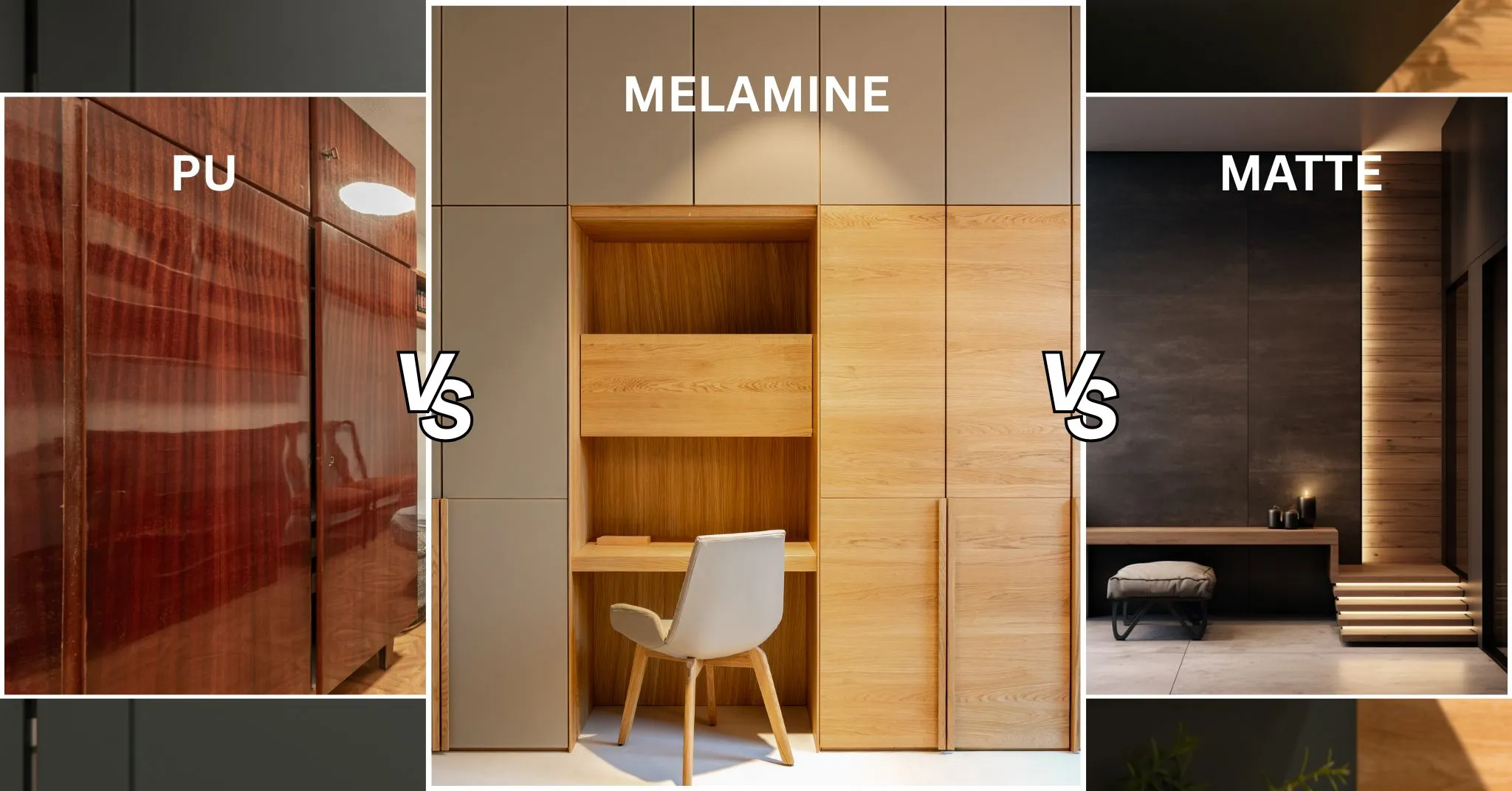
- PU finishing requirements
- Higher labour intensity
Premium species such as walnut, oak, and teak can significantly impact budgets.
Smart Alternative
Modern textured laminates have improved dramatically.
High-quality laminates can offer:
- Wood-like textures
- Consistent appearance
- Better scratch resistance
- Lower maintenance
Studio Mavi often combines veneer and laminate strategically—using veneer for focal areas and laminates for larger surfaces.
Imported Hardware Systems
Homeowners frequently underestimate how much premium hardware contributes to interior budgets.
Components such as:
- Tandem drawer systems
- Soft-close mechanisms
- Lift-up shutters
- Pull-out pantry systems
can substantially increase kitchen and wardrobe costs.
However, hardware directly affects usability and lifespan.
Smart Alternative
This is one area where reducing costs aggressively is often a mistake.
Studio Mavi generally recommends investing in:
- Hinges
- Channels
- Lift systems
because hardware failures affect functionality much more than surface finish compromises.
Acrylic Kitchen Finishes
Acrylic kitchens have become popular due to their glossy appearance and reflective surfaces.
However, acrylic finishes increase costs because of:
- Material pricing
- Fabrication precision
- Installation requirements
Additionally, they often require greater maintenance.
Smart Alternative
Premium matte laminates and high-pressure laminates (HPL) frequently provide:
- Better durability
- Easier maintenance
- Similar visual sophistication
at a significantly lower cost.
Studio Mavi often recommends matte laminates for homeowners prioritising practicality.
Flooring Upgrades
Flooring covers the largest area of a home, meaning even minor price increases per square foot can dramatically affect overall costs.
Premium options include:
- Imported marble
- Engineered hardwood
- Large-format luxury tiles
These materials can quickly become major budget drivers.
Smart Alternative
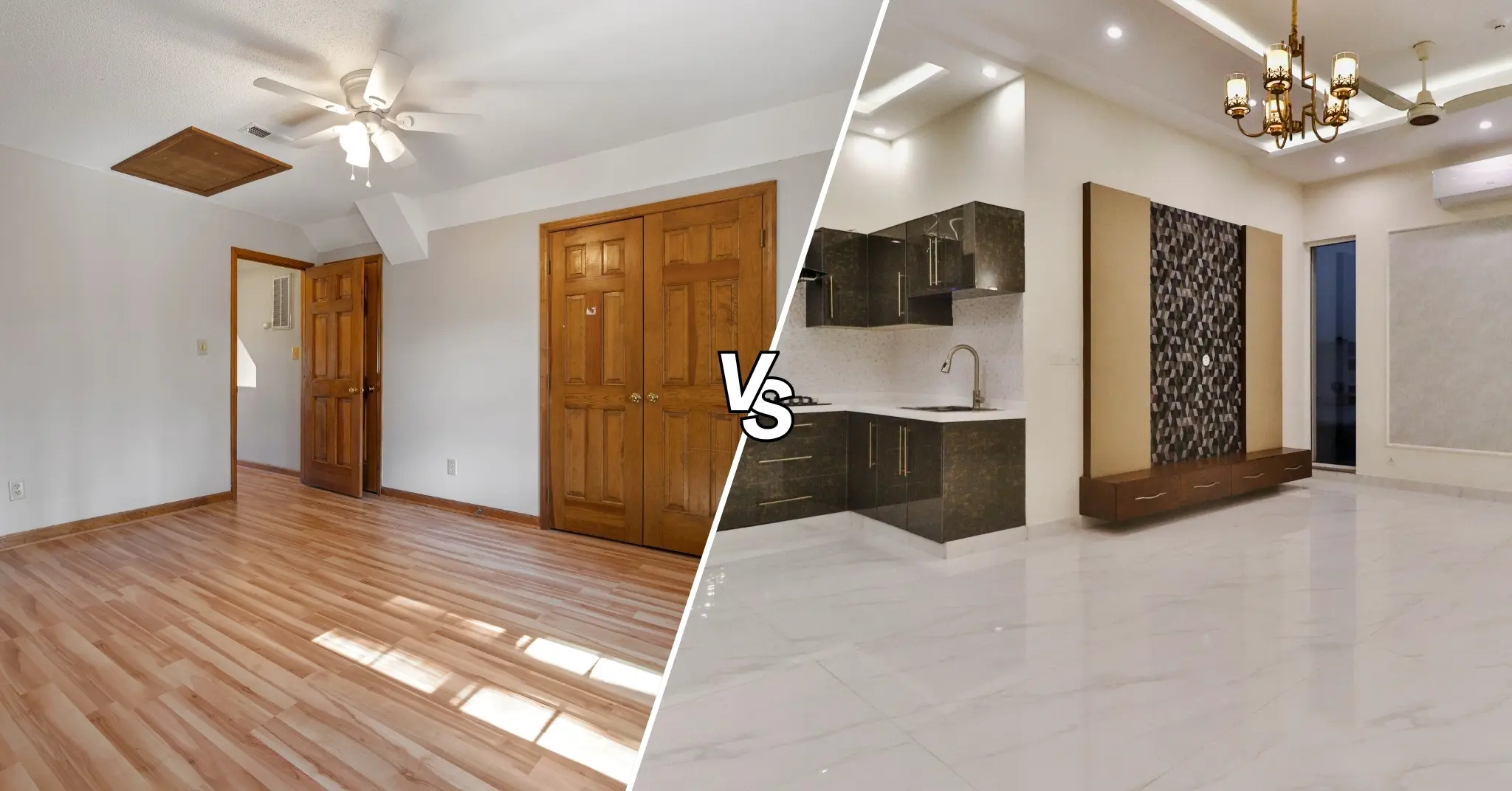
High-quality vitrified and porcelain tiles now offer:
- Exceptional durability
- Wide design variety
- Low maintenance
- Excellent value
For many homes, these materials provide the best cost-to-performance ratio.
False Ceiling Complexity
Many homeowners assume ceilings are relatively inexpensive.
In reality, costs increase rapidly when incorporating:
- Multi-layer designs
- Curves
- Recessed details
- Decorative profiles
- Extensive lighting integration
Smart Alternative
Simple, well-designed false ceilings often look more contemporary while:
- Reducing material costs
- Lowering labour expenses
- Simplifying maintenance
Studio Mavi frequently advocates restraint in ceiling design, focusing on lighting quality rather than excessive detailing.
Glass and Partition Systems
Large glass partitions and custom glazing systems add sophistication but can become expensive due to:
- Glass thickness requirements
- Hardware specifications
- Installation complexity
Smart Alternative
Strategic use of glass in selected locations often achieves similar visual openness at lower cost.
Studio Mavi carefully evaluates whether a full partition is necessary or whether partial glazing can achieve the same effect.
Know more about us and our design philosophy to understand how thoughtful material decisions create balanced interiors.
Custom Furniture vs Standardised Solutions
Custom furniture offers flexibility but often increases costs due to:
- Bespoke fabrication
- Material wastage
- Extended labour requirements
Smart Alternative
A hybrid strategy often works best:
- Customise key elements
- Standardise supporting furniture
This approach preserves design quality while improving budget efficiency.
Materials Worth Spending More On
Not every material should be optimised aggressively.
Some investments deliver clear long-term returns.
Prioritise Budget For:
- BWP plywood
- Hardware systems
- Waterproofing
- Countertops
- Kitchen cabinetry
- Flooring in high-use zones
These components directly influence durability and functionality.
Materials Where Savings Are Easier
Budget optimisation is often safer in:
- Decorative wall finishes
- Accent materials
- Non-structural furniture surfaces
- Decorative lighting accessories
Careful substitutions in these areas typically have less impact on long-term performance.
The Biggest Mistake: Focusing Only on Initial Cost
A lower upfront price does not necessarily mean better value.
Materials that require:
- Frequent repairs
- Replacement
- Refinishing
often become more expensive over time.
Interior design should therefore evaluate:
- Lifespan
- Maintenance requirements
- Repair costs
- Everyday usability
Studio Mavi approaches material selection through this long-term perspective rather than focusing solely on initial expenditure.
Final Thoughts
Understanding interior material cost drivers allows homeowners to spend intelligently rather than simply spending less.
Materials such as natural stone, veneer, premium flooring, custom furniture, and imported hardware can significantly increase project budgets. However, many modern alternatives now deliver comparable aesthetics and performance at lower costs.
The key is knowing where substitutions make sense and where investing in quality is essential.
As one of the best interior design studios in Pune, Studio Mavi helps homeowners navigate these decisions strategically—creating interiors that balance beauty, durability, and budget without unnecessary compromises.
FAQs
Which interior material increases costs the most?
Natural stone, premium veneers, and custom furniture are among the biggest cost drivers.
Are laminates cheaper than veneers?
Yes, laminates are generally more affordable and require less maintenance.
Where should I spend more in interiors?
Prioritise plywood, hardware, waterproofing, and countertops.
Can tiles replace marble effectively?
High-quality porcelain and vitrified tiles often provide excellent alternatives.
Is custom furniture always expensive?
Custom furniture costs more but can be balanced with standardised solutions in selected areas.