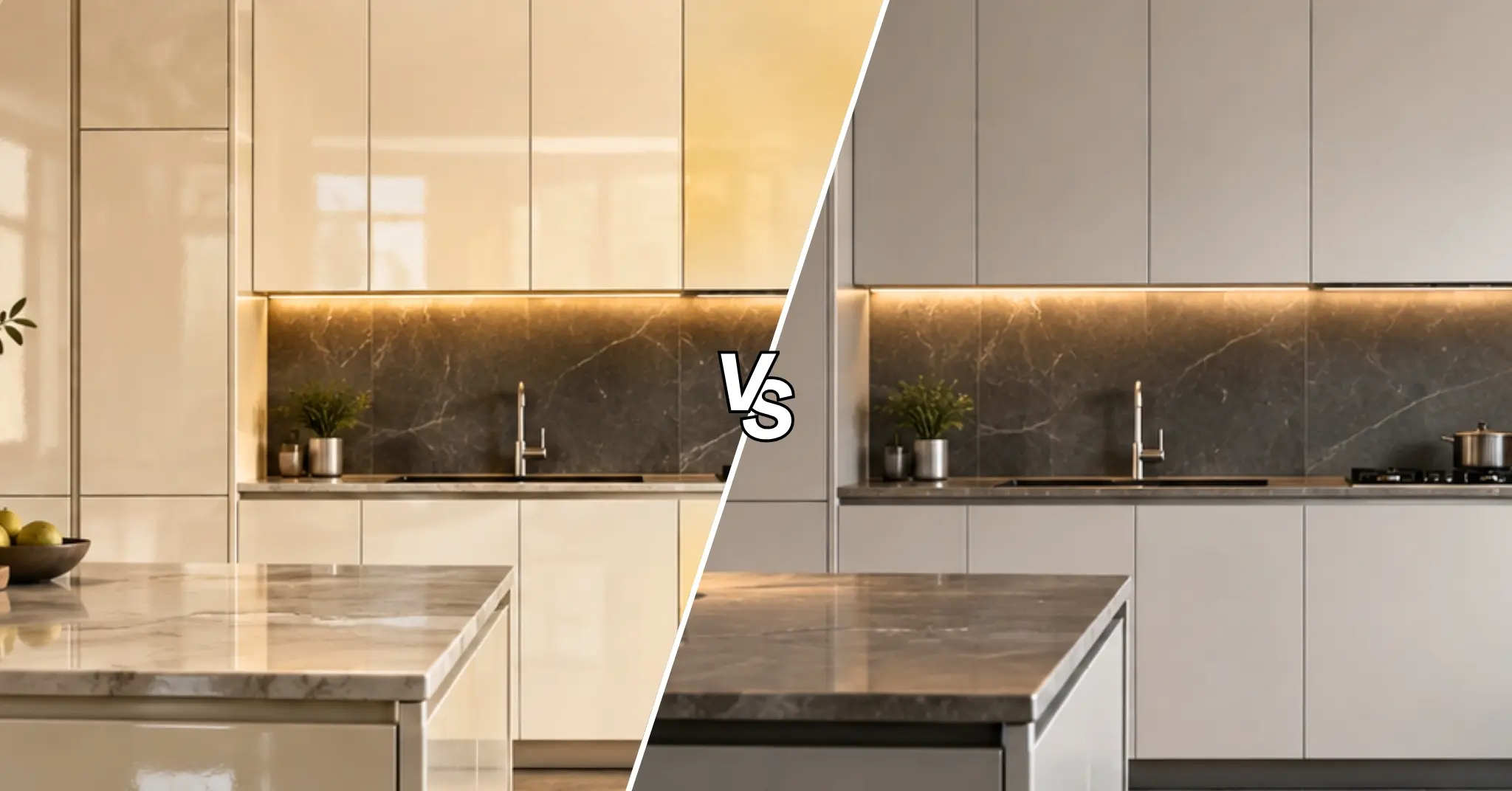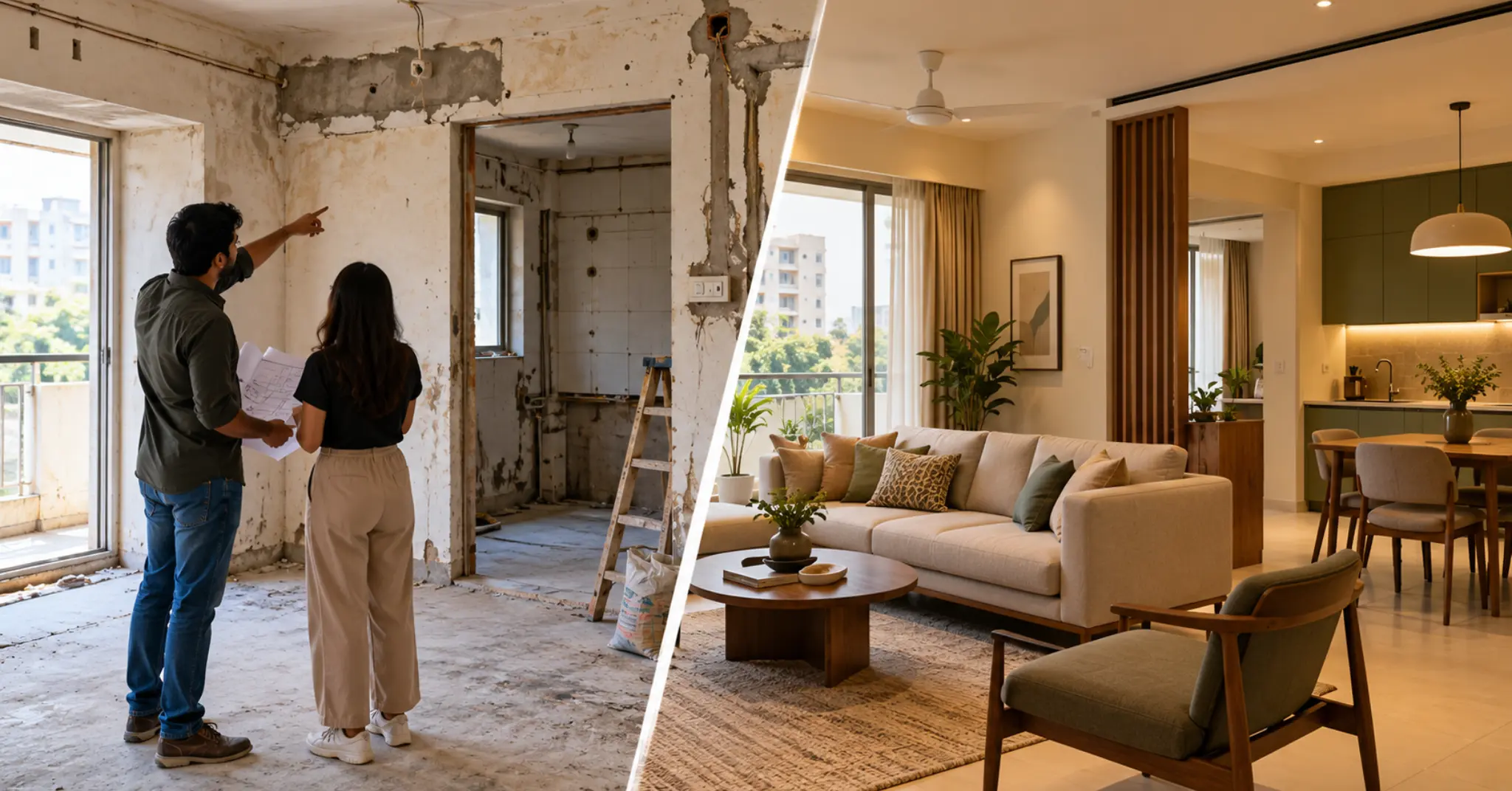
Old flat renovation in Pune requires a different approach from designing the interiors of a newly constructed apartment. Older homes may have ageing electrical wiring, plumbing issues, uneven walls, outdated flooring, dampness, or limited storage. Starting interiors without checking these conditions can lead to unexpected costs, delays, and repeated work.
Before selecting wardrobes, kitchen finishes, flooring, or colours, homeowners should first understand what needs to be repaired, replaced, retained, or redesigned.
At Studio Mavi, one of the best interior design studios in Pune, renovation begins with understanding the existing home and its limitations. The objective is not simply to make an old flat look new, but to make it more functional, comfortable, durable, and suited to contemporary living.
Inspect the Flat Before Starting Interiors
The first step in an old apartment renovation is a complete inspection.
Check:
- Walls and ceilings
- Flooring
- Electrical wiring
- Plumbing
- Doors and windows
- Kitchen platform
- Bathrooms
- Waterproofing
- Existing cabinetry
- Damp or mould-affected areas
An apparently clean wall may conceal moisture damage or previous repairs. Identifying these issues before new interiors are installed can prevent expensive rework later.
Check the Building and Society Rules
Before beginning renovation work, understand the condition and rules of the housing society.
Ask about permissions for:
- Demolition
- Plumbing changes
- Electrical work
- Window modifications
- Debris disposal
- Working hours
- Material movement
Older buildings may also have common plumbing or electrical infrastructure that limits what can be changed inside an individual apartment.
Getting approvals before work starts can prevent unnecessary delays.
Inspect Electrical Wiring and Plumbing
Electrical infrastructure should be assessed before installing new interiors. Older flats may have wiring designed for far fewer appliances than modern homes require.
Today’s homes may need dedicated power for air conditioners, refrigerators, washing machines, dishwashers, water heaters, induction cooktops, computers, and entertainment systems.
Similarly, old plumbing should be checked before covering walls and floors with new finishes.
Pay particular attention to:
- Bathroom pipes
- Kitchen plumbing
- Drainage
- Sink connections
- Water heater points
- Washing machine connections
Replacing ageing infrastructure during demolition is considerably easier than doing it after new cabinetry and finishes are installed.
Do Not Ignore Waterproofing
Waterproofing is one of the most important checks in an old flat renovation.
Look for:
- Damp patches
- Peeling paint
- Mould
- Musty odours
- Water stains
- Cracked grout
- Ceiling discoloration
Repainting a damp wall only hides the problem temporarily. The source of moisture needs to be identified and corrected before new finishes are installed.
This becomes particularly important in Pune, where the monsoon can expose existing waterproofing weaknesses.
Evaluate Existing Flooring and Walls
Old flooring does not always need to be removed. Check whether the existing tiles are securely bonded, level, cracked, or affected by moisture.
Similarly, walls should be inspected for significant cracks, loose plaster, dampness, and uneven surfaces.
A professional assessment can determine whether surfaces can be repaired or need complete replacement.
This approach can also help control the renovation budget by avoiding unnecessary demolition.
Rethink the Kitchen Layout
An old kitchen is often one of the areas that benefits most from renovation.
Older layouts may have:
- Limited storage
- Insufficient electrical points
- Poor appliance positioning
- Small countertops
- Outdated plumbing
- Inefficient circulation
Before designing new cabinets, consider how the kitchen is actually used. Plan the positions of the refrigerator, hob, sink, microwave, oven, dishwasher, pantry, and small appliances together.
For long-term performance, materials such as BWP plywood, durable laminates, moisture-resistant detailing, and reliable hardware should be considered according to usage.
Plan Storage Around Modern Living
Older apartments were often designed around different storage requirements. Today’s homes may need dedicated space for clothing, appliances, shoes, books, work equipment, cleaning supplies, and seasonal items.
Instead of simply adding cabinets wherever there is an empty wall, decide what should be:
- Displayed
- Concealed
- Frequently accessed
- Stored seasonally
Thoughtful storage planning can make an older apartment feel significantly larger and more organised.
Select Materials for Pune’s Climate
Material selection matters particularly in Pune homes because interiors experience monsoon humidity, dust, and frequent cleaning.
For high-use areas, consider:
- Moisture-resistant plywood
- Durable laminates
- Low-porosity countertops
- Washable paints
- Low-maintenance flooring
- Corrosion-resistant hardware
The right material should be selected according to the location and its expected exposure rather than purely on appearance.
Decide What to Keep
Renovation does not mean everything needs to be demolished.
Good-quality doors, windows, flooring, natural stone, or solid wood elements may still be worth retaining.
Reusing suitable existing elements can reduce costs and waste while giving the renovated home a sense of continuity.
A good interior designer should identify what can be retained and integrate it into the new design.
Keep a Contingency Budget
Old flats frequently reveal unexpected issues once demolition begins.
Keep some budget aside for:
- Plumbing replacement
- Electrical upgrades
- Waterproofing
- Wall repairs
- Flooring repairs
- Additional civil work
It is better to plan for these possibilities than to spend the entire budget on visible finishes.
Plan the Renovation Sequence
A typical old flat renovation follows a sequence such as:
Assessment → Demolition → Civil work → Plumbing and electrical → Waterproofing → Flooring and walls → False ceiling → Cabinetry → Painting → Lighting → Furniture
The exact sequence depends on the project, but completing work in the wrong order can damage finished surfaces and increase labour costs.
Final Thoughts
An old flat renovation in Pune should begin with understanding the existing home rather than immediately choosing finishes.
Electrical systems, plumbing, waterproofing, flooring, walls, and windows should be assessed before investing in new interiors. Once the underlying infrastructure is addressed, design decisions become easier, more predictable, and more durable.
The best renovation does not necessarily replace everything. It identifies what still works, fixes what does not, and introduces new design solutions where they create genuine value.
For homeowners renovating an old apartment in Pune, Studio Mavi combines spatial planning, material expertise, and contemporary interior design to transform existing homes into practical and enduring spaces.
FAQs
How should I start an old flat renovation?
Begin with an inspection of electrical, plumbing, waterproofing, flooring, and walls.
Should old electrical wiring be replaced?
Replace or upgrade it if its condition or capacity is inadequate for modern appliances.
Is waterproofing necessary during renovation?
Yes, especially where there are signs of dampness, leakage, or mould.
Should everything in an old flat be replaced?
No. Good-quality existing elements can often be retained and integrated into the new design.
Can an old Pune flat be completely modernised?
Yes. Better planning, storage, materials, lighting, and finishes can transform an older apartment without unnecessarily rebuilding everything.