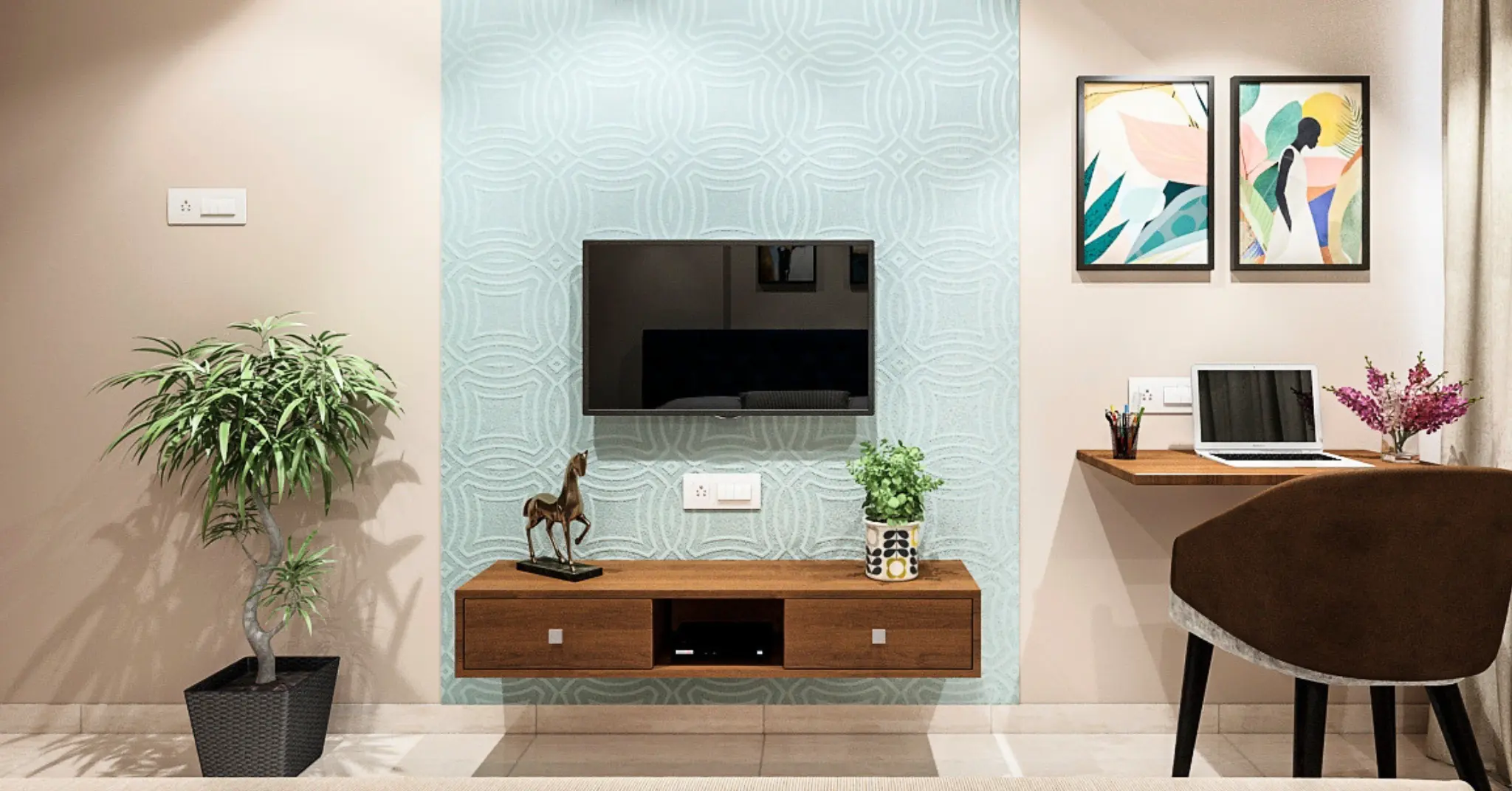
TV unit design for living rooms has evolved far beyond simply placing a television on a cabinet. Today, a TV unit acts as the visual anchor of the living room, combining entertainment, storage, lighting, and material finishes into one cohesive design feature.
Whether you’re designing a compact apartment or a spacious villa, the right TV unit can improve organisation, conceal wiring, enhance viewing comfort, and elevate the overall character of your living room.
At Studio Mavi, recognised as one of the best interior design studios in Pune, TV units are designed around the architecture of the room, the family’s lifestyle, and long-term functionality rather than short-lived trends.
This guide explains everything homeowners should know before designing a TV unit—from dimensions and storage planning to material selection and lighting.
Why the TV Unit Is More Than Just Furniture
In most homes, the living room naturally revolves around the television. As a result, the TV wall becomes the focal point of the space.
A well-designed TV unit serves multiple purposes:
- Organises media devices
- Conceals cables and electrical points
- Provides decorative display space
- Adds storage
- Enhances the room’s visual balance
- Improves everyday functionality
Rather than treating it as a standalone cabinet, professional interior designers consider the TV unit an integrated architectural element.
Choosing the Right TV Unit Size
One of the biggest mistakes homeowners make is designing a TV unit without considering wall proportions.
The TV unit should complement both:
- Television size
- Overall wall dimensions
An oversized unit can overwhelm the room, while one that is too small makes the wall appear empty.
Important considerations include:
- Viewing distance
- Ceiling height
- Furniture placement
- Walking circulation
- Wall symmetry
Studio Mavi begins every TV unit design by evaluating the proportions of the entire living room instead of designing around the television alone.
Wall-Mounted vs Floor-Mounted TV Units
Both styles offer distinct advantages.
Wall-Mounted TV Units
Wall-mounted designs create a modern appearance while making the room feel more spacious.
Benefits include:
- Easier floor cleaning
- Minimal visual clutter
- Contemporary aesthetics
- Floating appearance
They work particularly well in compact apartments.
Floor-Mounted TV Units
Floor-mounted units provide:
- Greater storage capacity
- Easier installation
- Better support for heavier accessories
They are often preferred in larger family homes where additional storage is required.
Studio Mavi frequently combines floating cabinets with floor storage to achieve both functionality and visual balance.
Planning Storage the Smart Way
Storage should reflect actual usage rather than simply filling available space.
A practical TV unit typically accommodates:
- Set-top boxes
- Gaming consoles
- Wi-Fi routers
- Sound systems
- Books
- Decorative accessories
- Remote controls
- Family photographs
Closed storage helps reduce visual clutter, while open shelves provide opportunities for display.
The ideal balance depends on the homeowner’s lifestyle.
Best Materials for TV Unit Design
Material selection determines how the TV unit performs over time.
Laminates
High-pressure laminates remain one of the most popular choices because they offer:
- Scratch resistance
- Easy cleaning
- Wide design variety
- Excellent durability
Matte laminates are particularly suitable because they minimise fingerprints and dust visibility.
Natural Veneer
Wood veneer adds warmth and elegance through authentic grain patterns.
It works beautifully in:
- Contemporary homes
- Luxury interiors
- Warm minimalist designs
PU-coated veneer offers improved durability while preserving the natural character of wood.
Stone and Marble
Stone cladding behind the television creates a premium feature wall.
Materials such as marble, granite, and engineered stone provide:
- Visual richness
- Long lifespan
- Timeless appeal
Studio Mavi often combines stone with wood finishes to create layered, sophisticated TV walls.
Glass
Glass shelves and cabinet shutters create visual lightness and work particularly well when paired with integrated lighting.
However, they require more frequent cleaning than wood or laminate finishes.
Lighting Makes the Biggest Difference
Lighting transforms an ordinary TV unit into an architectural feature.
Well-designed lighting can:
- Highlight textures
- Add depth
- Improve ambience
- Reduce visual heaviness
Popular lighting techniques include:
- Concealed LED strips
- Shelf lighting
- Backlit panels
- Accent spotlights
Warm white lighting generally creates a more comfortable viewing environment compared to cooler colour temperatures.
Studio Mavi integrates lighting early in the design process so wiring remains concealed and the lighting complements the overall interior.
Cable Management Is Essential
Visible wires immediately reduce the visual quality of any TV unit.
Professional TV unit planning includes:
- Hidden conduits
- Electrical access panels
- Ventilation for electronics
- Future upgrade provisions
Planning these details before installation prevents costly modifications later.
Choosing the Right Finish
Finish selection should consider both aesthetics and maintenance.
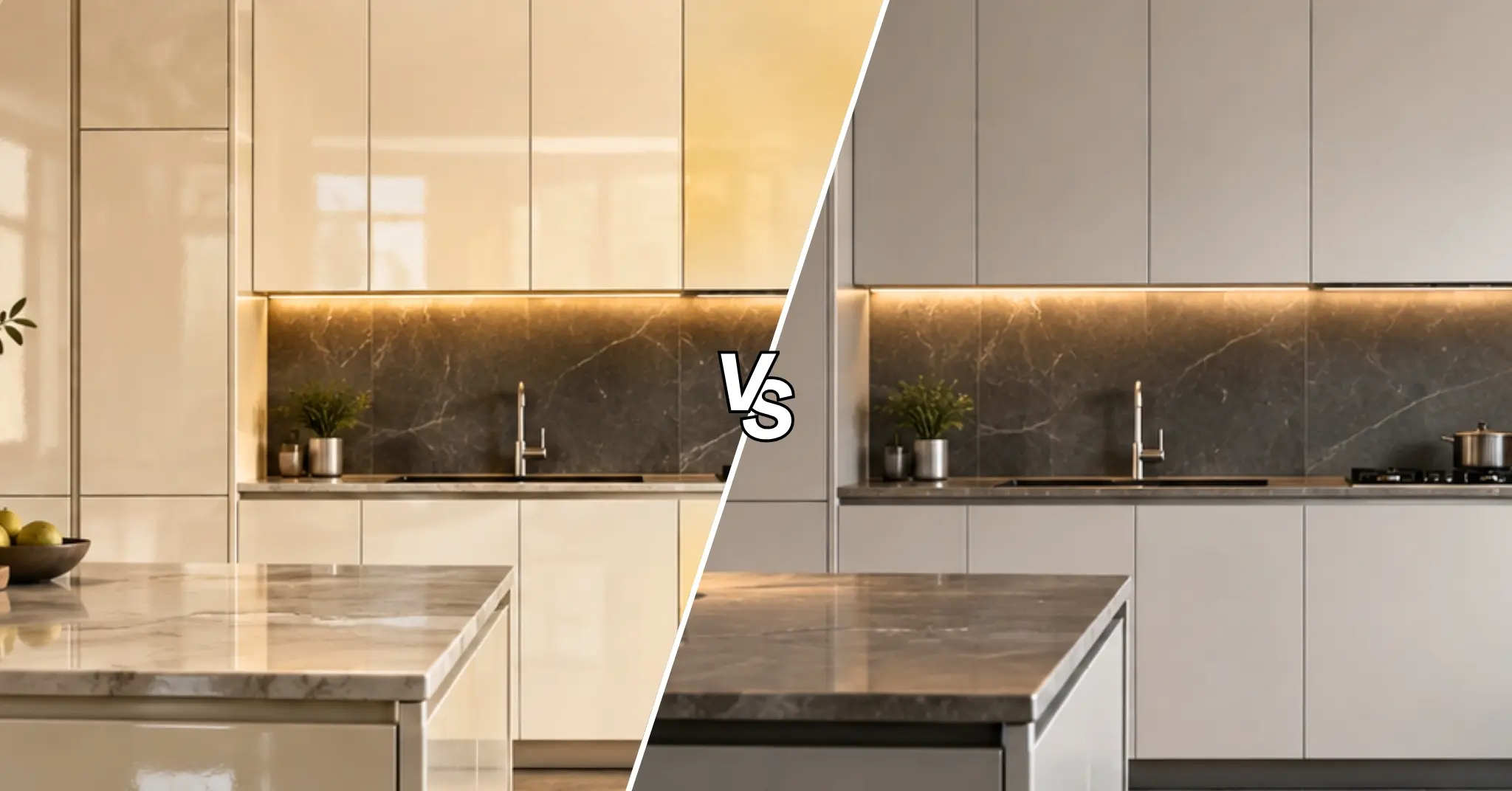
Matte Finishes
Best for:
- Contemporary interiors
- Homes with children
- Low-maintenance living
Advantages:
- Fewer fingerprints
- Reduced glare
- Better dust concealment
Gloss Finishes
Suitable for:
- Luxury contemporary interiors
- Smaller spaces requiring visual brightness
However, gloss surfaces require more frequent cleaning because they reveal fingerprints and dust more easily.
Studio Mavi often recommends matte finishes for long-term practicality.
Integrating Decorative Elements
The best TV units balance functionality with personality.
Popular additions include:
- Open display niches
- Decorative wall panels
- Indoor plants
- Artwork
- Floating shelves
- Textured wall finishes
However, restraint is important.
Overcrowding the TV wall can make the living room feel visually busy.
Studio Mavi focuses on creating balanced compositions where décor complements rather than competes with the television.
Common TV Unit Design Mistakes
Many homeowners unknowingly reduce both functionality and aesthetics.
Common mistakes include:
- Choosing oversized cabinets
- Ignoring cable management
- Insufficient ventilation
- Too many open shelves
- Inadequate lighting
- Using low-quality hardware
- Poor viewing height
Professional planning helps avoid these issues before fabrication begins.
Should You Customise Your TV Unit?
Custom TV units provide several advantages over ready-made furniture.
They allow:
- Perfect wall fit
- Better storage planning
- Material consistency
- Hidden electrical systems
- Seamless integration with the rest of the interior
This creates a more cohesive living room compared to standalone furniture pieces.
Final Thoughts
A thoughtfully designed TV unit does much more than support a television—it organises the living room, enhances daily comfort, and creates a focal point that ties the entire space together.
By carefully considering size, storage, materials, lighting, and functionality, homeowners can create TV units that remain practical and visually appealing for many years.
As one of the best interior design studios in Pune, Studio Mavi believes great TV unit design is about balancing aesthetics with intelligent planning, ensuring every living room feels organised, elegant, and truly personal.
FAQs
Which material is best for a TV unit?
High-pressure laminates, natural veneer, and engineered stone are among the most durable and popular choices.
Should a TV unit be wall-mounted or floor-mounted?
It depends on the room size and storage needs. Wall-mounted units suit compact spaces, while floor-mounted units offer more storage.
What lighting is best for TV units?
Warm white concealed LED lighting creates a comfortable ambience and highlights textures beautifully.
How much storage should a TV unit have?
Enough to accommodate media devices, accessories, books, and decorative items without creating clutter.
Can a custom TV unit increase the value of a home?
Yes. A well-designed custom TV unit improves functionality, aesthetics, and the overall appeal of the living room.