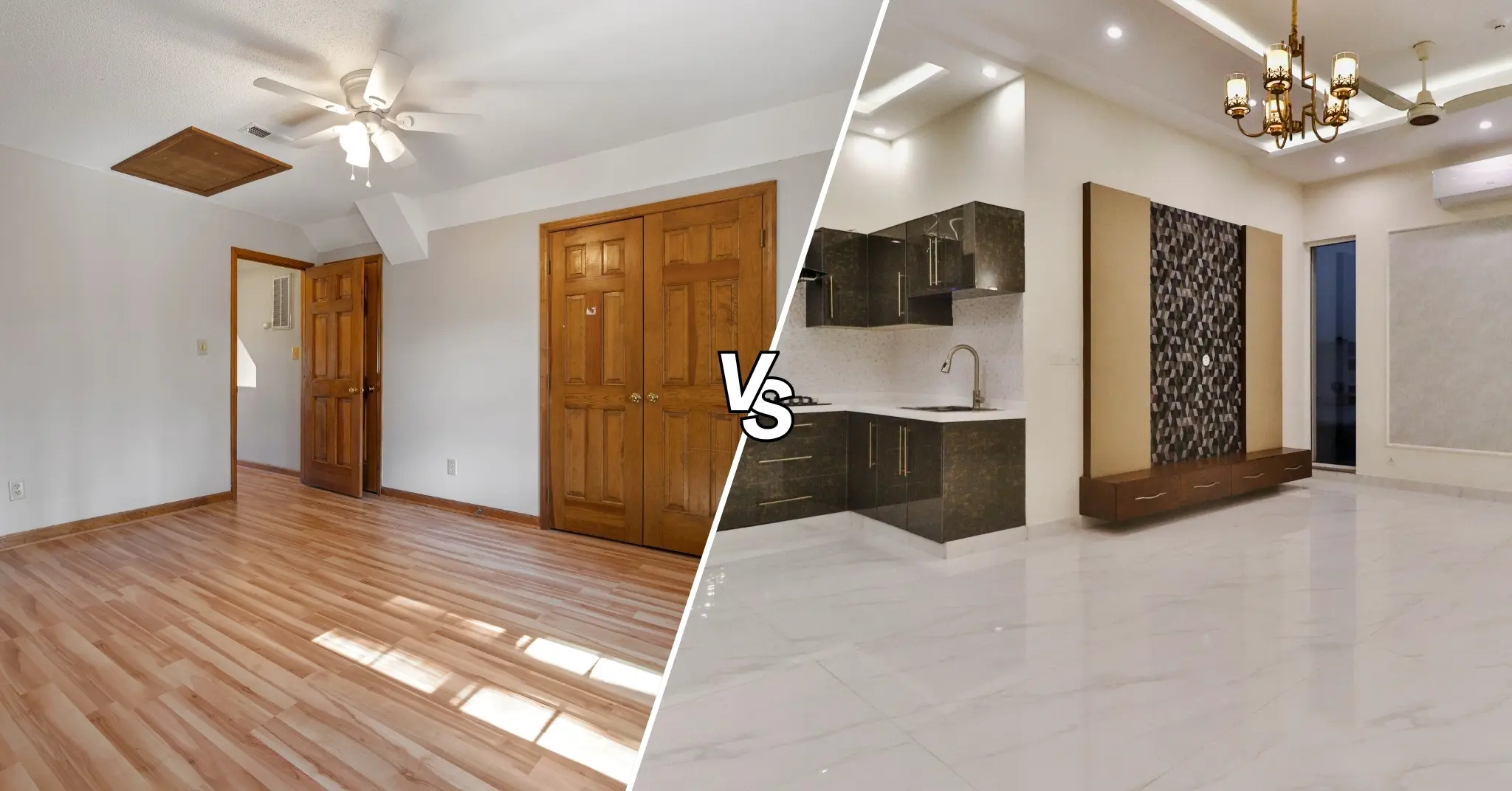
Wooden flooring vs tiles is one of the most common comparisons homeowners make while designing or renovating a home. Flooring is a long-term decision that affects comfort, maintenance, durability, acoustics, and the overall visual character of interiors. Since flooring covers the largest surface area in a home, the material selected influences how every room feels and functions.
In Indian homes, flooring materials must handle dust, humidity, heavy foot traffic, and daily cleaning routines. This makes the choice between wooden flooring and tiles more than just an aesthetic preference.
At Studio Mavi, recognised as one of the best interior design studios in Pune, flooring selection is approached strategically—considering climate, lifestyle, maintenance expectations, and long-term usability alongside design goals.
This guide compares wooden flooring and tiles across durability, comfort, maintenance, cost, and suitability for Indian homes.
Understanding Wooden Flooring
Wooden flooring refers to flooring systems that replicate or use natural wood surfaces. The most commonly used options in Indian interiors include:
- Solid hardwood flooring
- Engineered wooden flooring
- Laminate wooden flooring
Wood has been used in architecture and interiors for centuries because of its warmth and tactile comfort. References discussing wood flooring and engineered wood on Wikipedia highlight its insulating and aesthetic qualities.
In Indian homes, engineered wooden flooring is generally preferred over solid hardwood because it handles climate variation more effectively. Engineered flooring uses layered construction that improves dimensional stability and reduces expansion caused by humidity.
Understanding Tile Flooring
Tile flooring remains the most widely used flooring solution in India due to its durability and low maintenance. Common tile categories include:
- Vitrified tiles
- Ceramic tiles
- Porcelain tiles
- Natural stone tiles
Tiles are valued for their hardness, moisture resistance, and long lifespan. Vitrified and porcelain tiles, in particular, are known for low water absorption and high durability, properties widely documented in architectural material references.
Studio Mavi frequently recommends tiles in high-use areas because of their practicality and climate resilience.
Visual Appeal and Interior Aesthetics
Wooden flooring creates warmth and softness that tiles often cannot replicate. The natural grain patterns and texture of wood contribute to a calm, inviting atmosphere.
This makes wooden flooring especially popular in:
- Bedrooms
- Living rooms
- Home offices
Wood also improves acoustic comfort by reducing echo and creating a quieter environment.
Tiles, on the other hand, offer greater visual versatility. Modern tile manufacturing can replicate:
- Marble
- Stone
- Concrete
- Wood textures
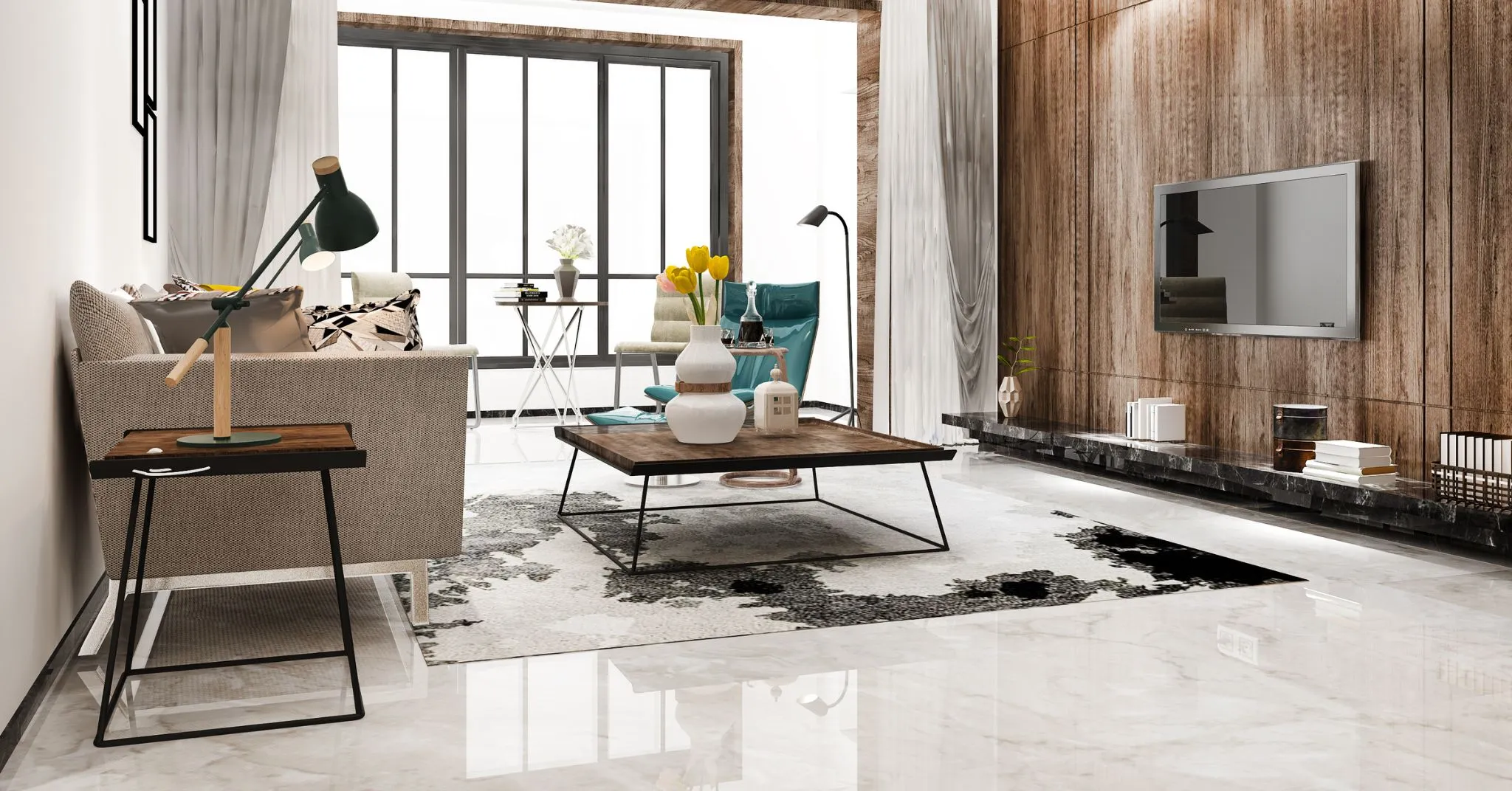
Large-format tiles create seamless modern interiors and work particularly well in contemporary homes.
Studio Mavi selects flooring aesthetics based on the overall design language of the home rather than trends alone.
Climate Suitability for Indian Homes
Indian climate conditions vary significantly, and flooring performance changes accordingly.
Wooden Flooring in Indian Conditions
Wood reacts naturally to humidity and temperature fluctuations. In highly humid environments, solid wood may expand or contract.
Engineered wooden flooring performs better because its layered construction reduces movement caused by climate changes.
Wooden flooring is best suited for:
- Air-conditioned homes
- Bedrooms and dry areas
- Homes prioritising warmth and comfort
Tiles in Indian Conditions
Tiles perform exceptionally well in Indian climates because they:
- Resist moisture
- Handle heat effectively
- Require minimal climate-related maintenance
This makes tiles highly practical for:
- Kitchens
- Bathrooms
- High-traffic areas
- Monsoon-prone regions
Studio Mavi often uses a hybrid flooring approach—combining tiles in functional zones with wooden flooring in comfort-oriented spaces.
Maintenance Comparison
Maintenance is one of the biggest deciding factors for homeowners.
Wooden Flooring Maintenance
Wooden flooring requires:
- Careful cleaning methods
- Protection from prolonged water exposure
- Scratch prevention
Heavy furniture movement and moisture can damage certain wood flooring systems over time.
Engineered wood is easier to maintain than solid hardwood but still requires more attention than tiles.
Tile Flooring Maintenance
Tiles are:
- Easy to clean
- Highly stain resistant
- Suitable for wet mopping
- Resistant to scratches and moisture
Matte tiles also hide dust better than glossy surfaces.
For Indian households with frequent cleaning routines, tiles are generally the lower-maintenance option.
Comfort and Daily Experience
Wooden flooring offers superior tactile comfort. It feels warmer underfoot and creates a softer walking experience.
This makes wood particularly suitable for:
- Bedrooms
- Family spaces
- Homes with children
Tiles tend to feel cooler, which can actually be an advantage in hot climates. In cities with warmer temperatures, tile flooring helps maintain thermal comfort naturally.
Studio Mavi evaluates comfort preferences alongside climate conditions before recommending flooring systems.
Durability and Longevity
Tiles generally outperform wooden flooring in durability, especially in:
- Moisture-heavy environments
- High-traffic zones
- Kitchens and utility areas
Porcelain and vitrified tiles can last for decades with minimal maintenance.
Wooden flooring, while durable, is more susceptible to:
- Scratches
- Water damage
- Surface wear
However, premium engineered wood flooring can still offer long lifespan when maintained properly.
Cost Comparison
Tile flooring typically offers a wider price range and better affordability. Basic vitrified tiles are cost-effective, while premium imported tiles can be more expensive.
Wooden flooring generally costs more due to:
- Material pricing
- Installation complexity
- Underlayment requirements
Engineered wood is more economical than solid hardwood but still falls into a higher budget category compared to standard tiles.
Studio Mavi helps homeowners evaluate flooring investments based on both upfront cost and long-term value.
Best Areas for Each Flooring Type
Wooden Flooring Works Best In:
- Bedrooms
- Home offices
- Lounge areas
- Private spaces
Tiles Work Best In:
- Kitchens
- Bathrooms
- Dining areas
- Entryways
- High-traffic zones
Combining both materials strategically often creates the most balanced result.
Common Mistakes Homeowners Make
Some common flooring mistakes include:
- Using wood flooring in wet zones
- Choosing glossy tiles in dusty homes
- Ignoring maintenance requirements
- Prioritising trends over practicality
Professional material planning helps avoid these issues by aligning flooring choices with actual usage patterns.
Final Thoughts
The wooden flooring vs tiles decision depends on lifestyle, climate, maintenance expectations, and the emotional experience homeowners want from their interiors.
Wooden flooring offers warmth, comfort, and visual softness, making it ideal for relaxed and private spaces. Tiles provide unmatched practicality, durability, and ease of maintenance for Indian homes.
Rather than choosing one universally, the most effective interiors often combine both strategically. As one of the best interior design studios in Pune, Studio Mavi approaches flooring selection holistically—ensuring materials support both design goals and everyday living.
The best flooring is not simply the one that looks impressive in photographs. It is the one that continues to perform beautifully year after year.
FAQs
Which flooring is best for Indian homes?
Tiles are generally more practical, while wooden flooring offers greater warmth and comfort.
Is wooden flooring suitable for Indian weather?
Engineered wooden flooring performs well in controlled indoor environments.
Are tiles easier to maintain than wooden flooring?
Yes, tiles are more moisture resistant and require less maintenance.
Which flooring lasts longer?
High-quality tiles typically last longer with minimal upkeep.
Can wooden flooring and tiles be used together?
Yes, combining both materials is a common and practical design strategy.