Interior material selection checklist is one of the most practical tools homeowners can use before finalising any interior design project. Materials determine not only how a home looks, but how it performs over time. From flooring and wall finishes to countertops, cabinetry, and hardware, every choice affects durability, maintenance, comfort, and long-term cost.
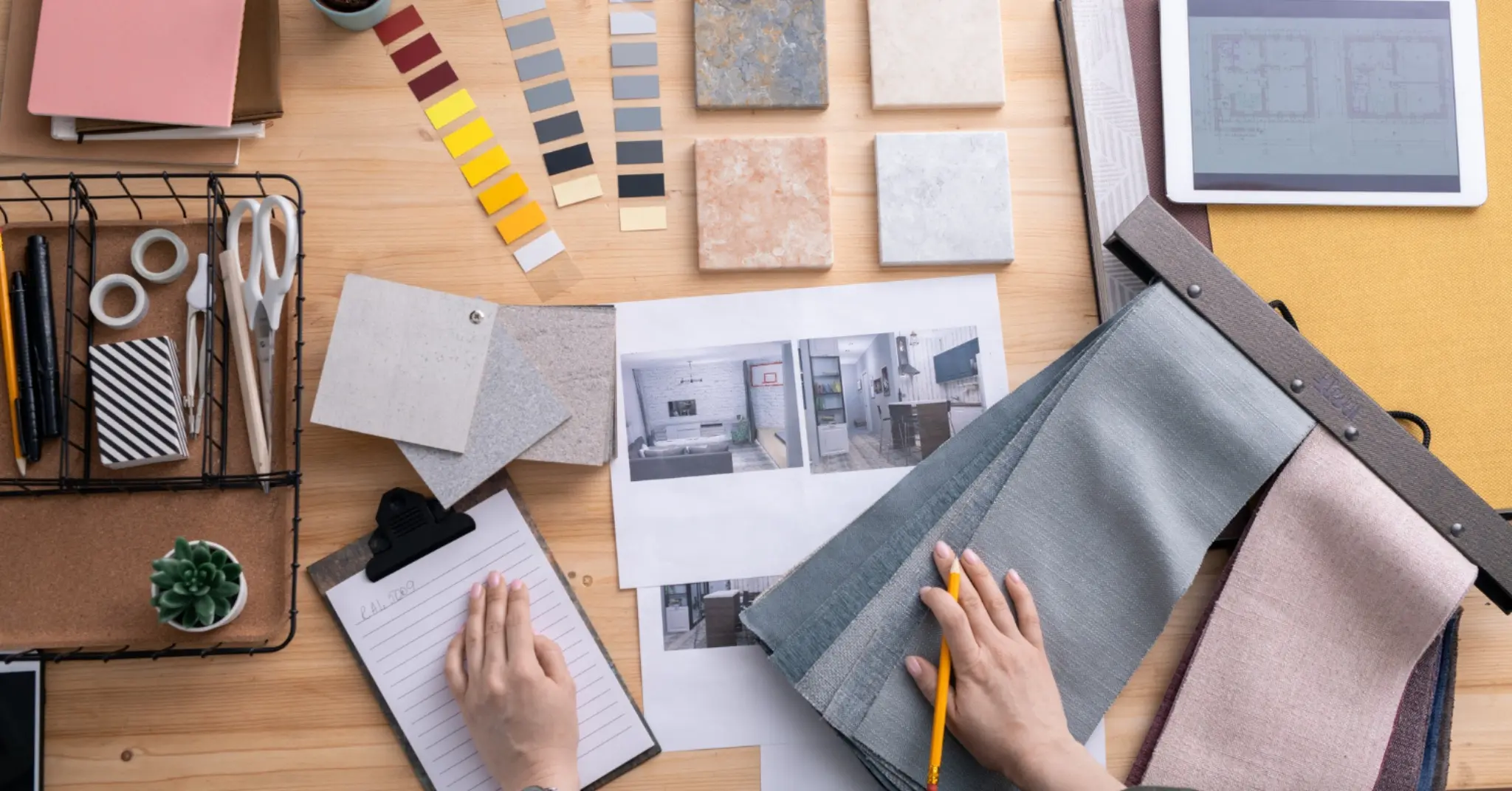
Many homeowners focus on aesthetics first and materials later. In reality, materials should be decided early, alongside layout and design planning. At Studio Mavi, widely regarded as one of the best interior design studios in Pune, material selection is approached systematically so that every room works well for daily use while remaining visually cohesive.
This room-by-room guide outlines what to check before finalising materials for your home.
Living Room Material Checklist
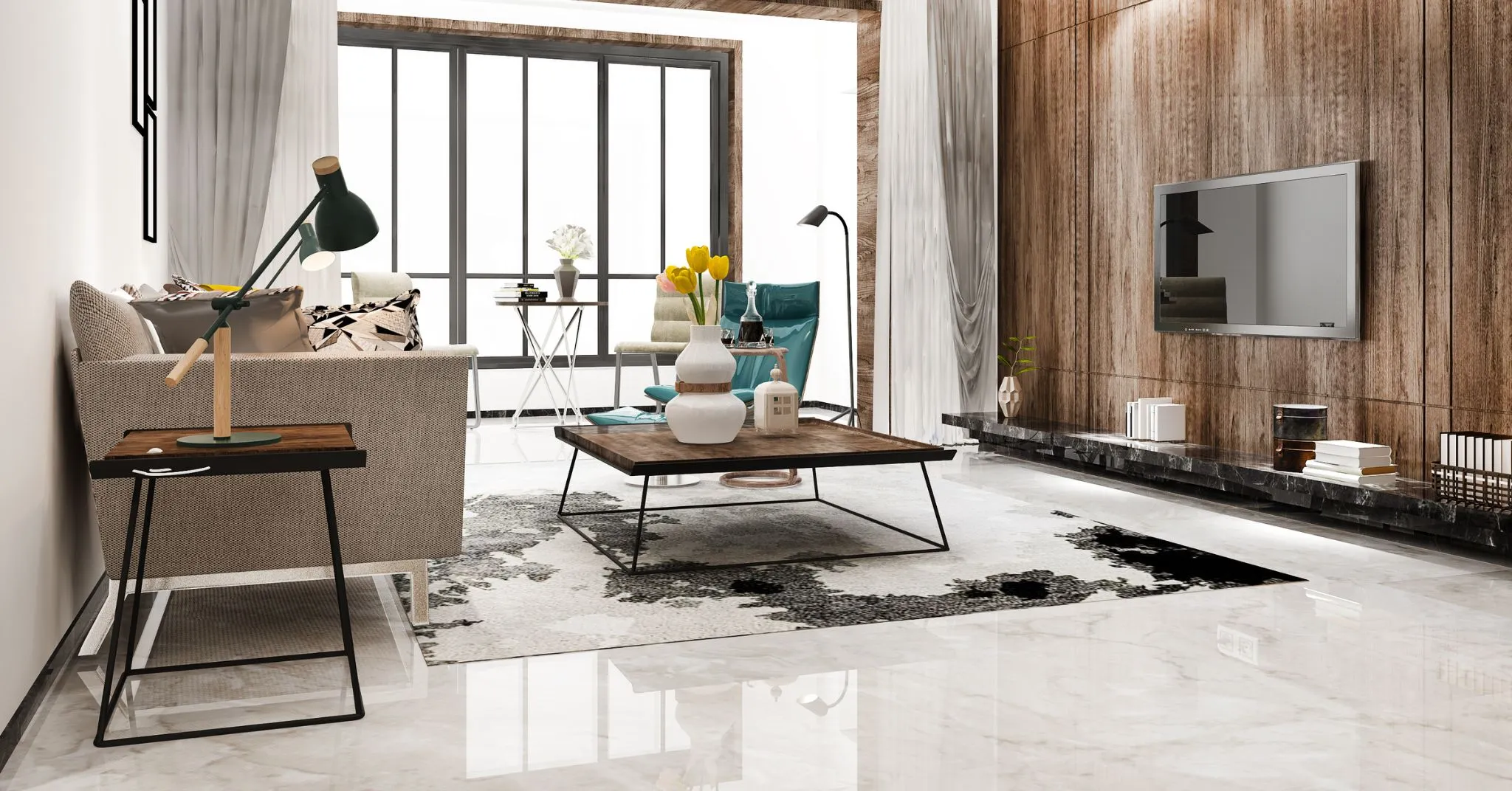
The living room is the most visible and frequently used space in a home. Materials here must balance aesthetics with durability.
Flooring should be chosen based on usage and maintenance expectations. Vitrified tiles, engineered wood, and natural stone are common options. Vitrified tiles are popular in Indian homes due to their durability and low maintenance, a property often noted in references about ceramic and vitrified materials.
Wall finishes should complement furniture and lighting. Paint, textured finishes, or wall panelling can all work well depending on the design intent. Upholstery fabrics should be easy to clean and resistant to wear, especially in homes with children or pets.
Ceiling materials must accommodate lighting and services. False ceilings should use moisture-resistant boards and finishes that are easy to maintain. Studio Mavi ensures living room materials align with both aesthetic goals and long-term usability.
Kitchen Material Checklist
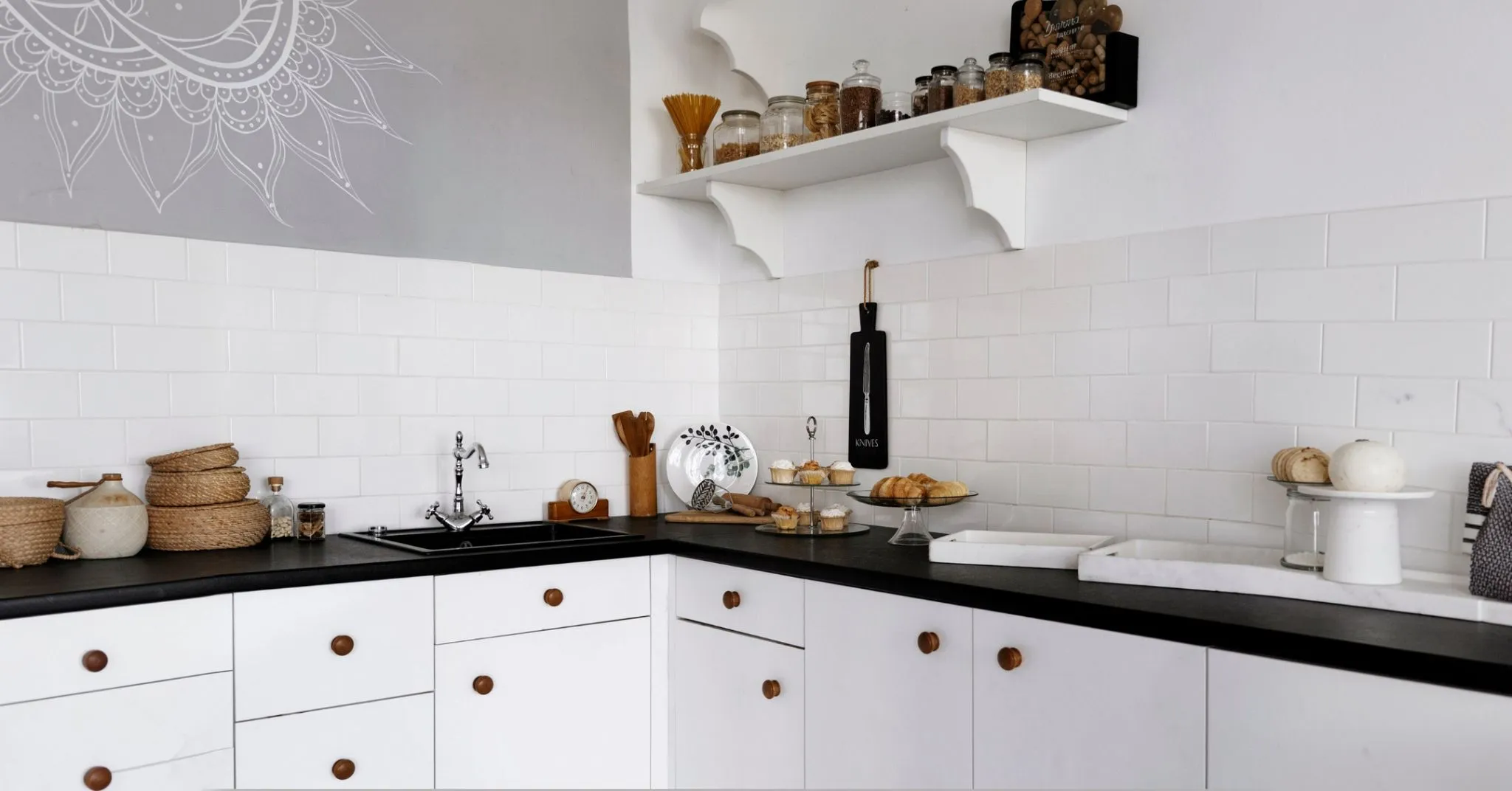
The kitchen requires the most performance-driven material decisions. Countertops must be heat resistant, stain resistant, and easy to clean. Granite, quartz, and solid surface materials are commonly used, each with distinct properties related to hardness and porosity, as documented in material science references and Wikipedia entries for stone and quartz.
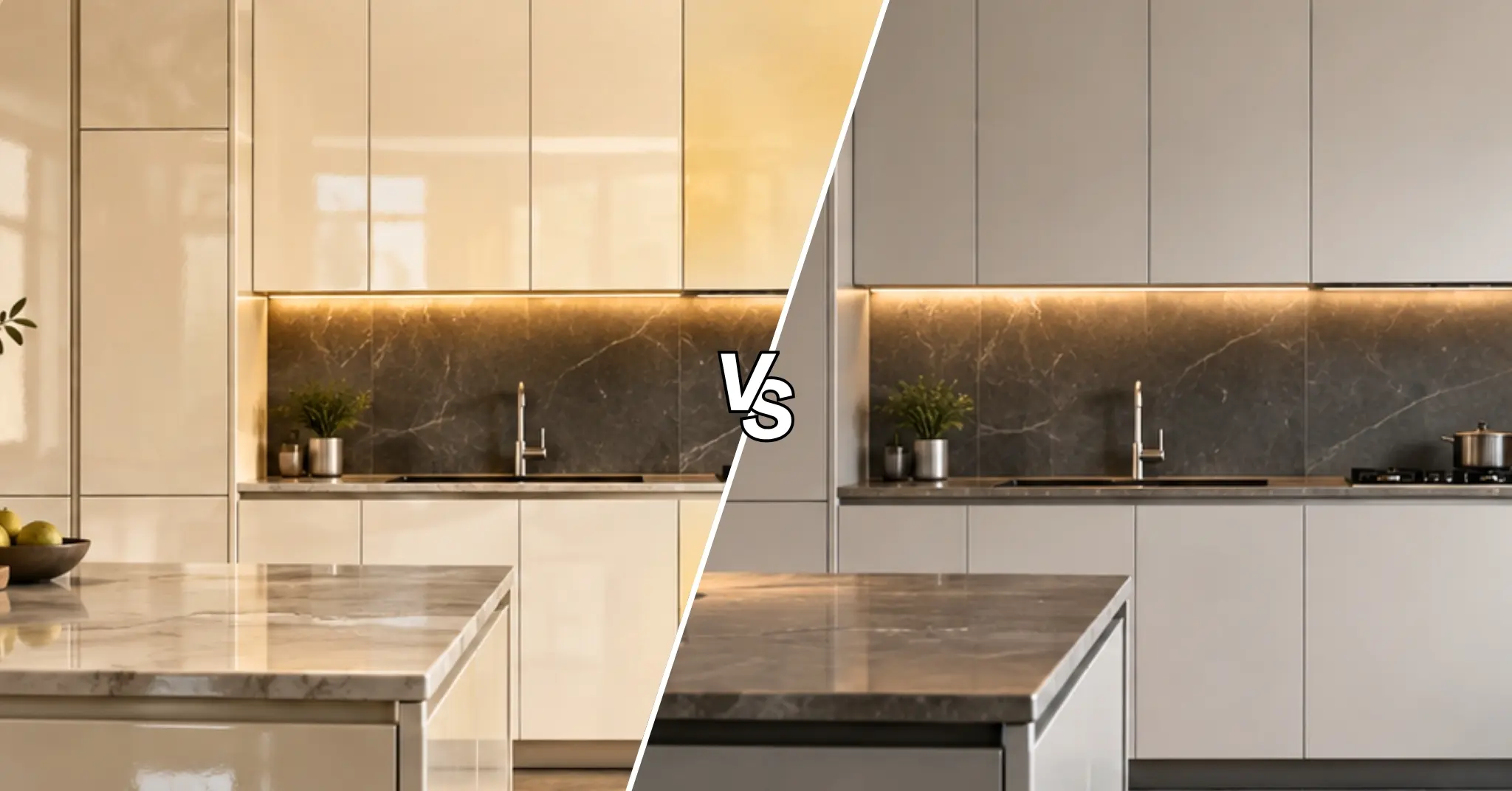
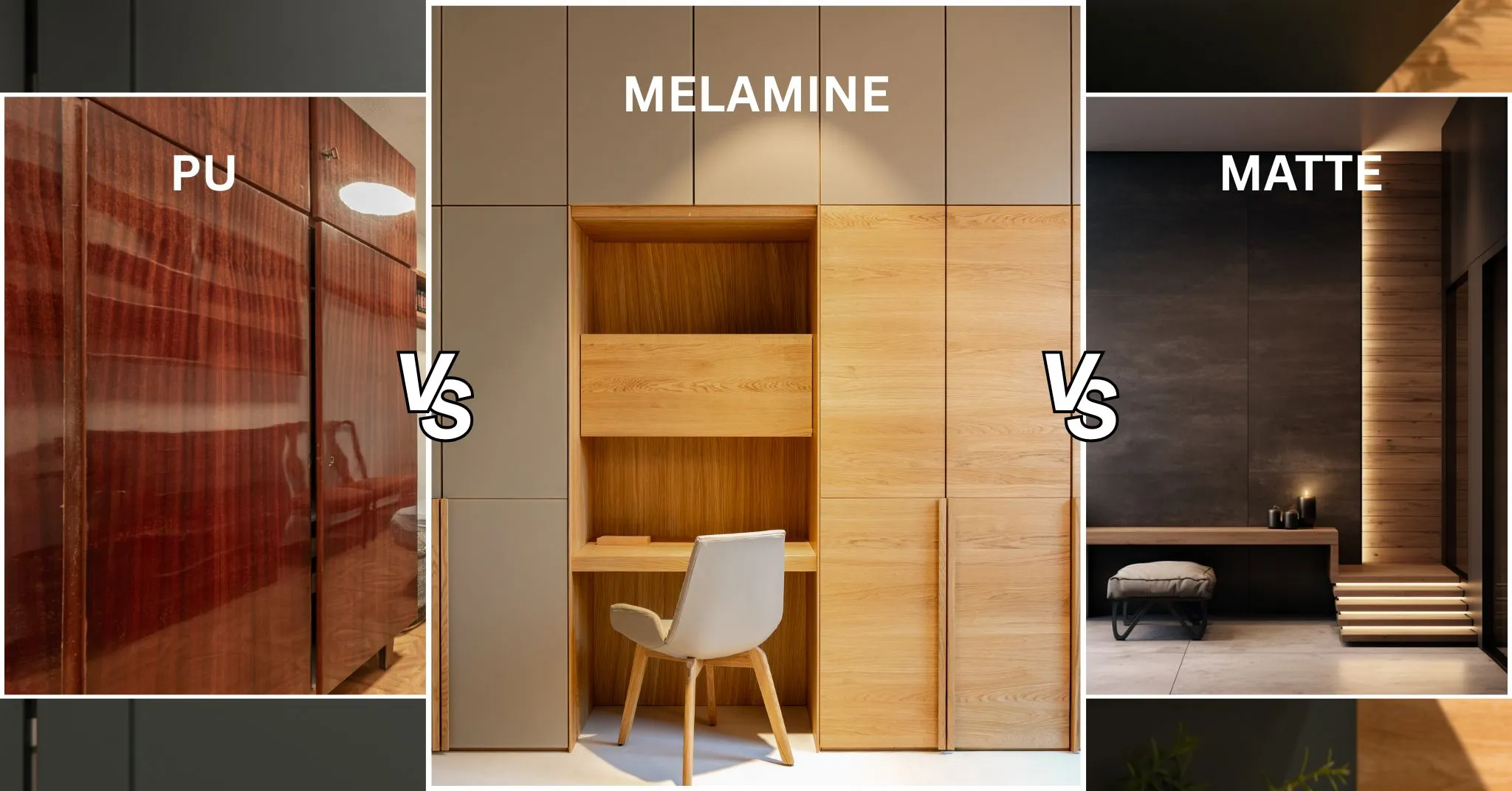
Cabinet finishes should resist moisture and grease. Laminates and acrylic finishes are widely used due to their durability. Backsplashes must be easy to wipe and resistant to stains. Tiles or stone slabs are practical choices.
Flooring should provide grip and be easy to maintain. Matte tiles are often preferred over polished surfaces in kitchens. Ventilation and heat exposure should also be considered when selecting materials.
Studio Mavi evaluates kitchen materials based on cooking habits, ensuring surfaces perform well under daily use rather than simply looking good at installation.
Bedroom Material Checklist
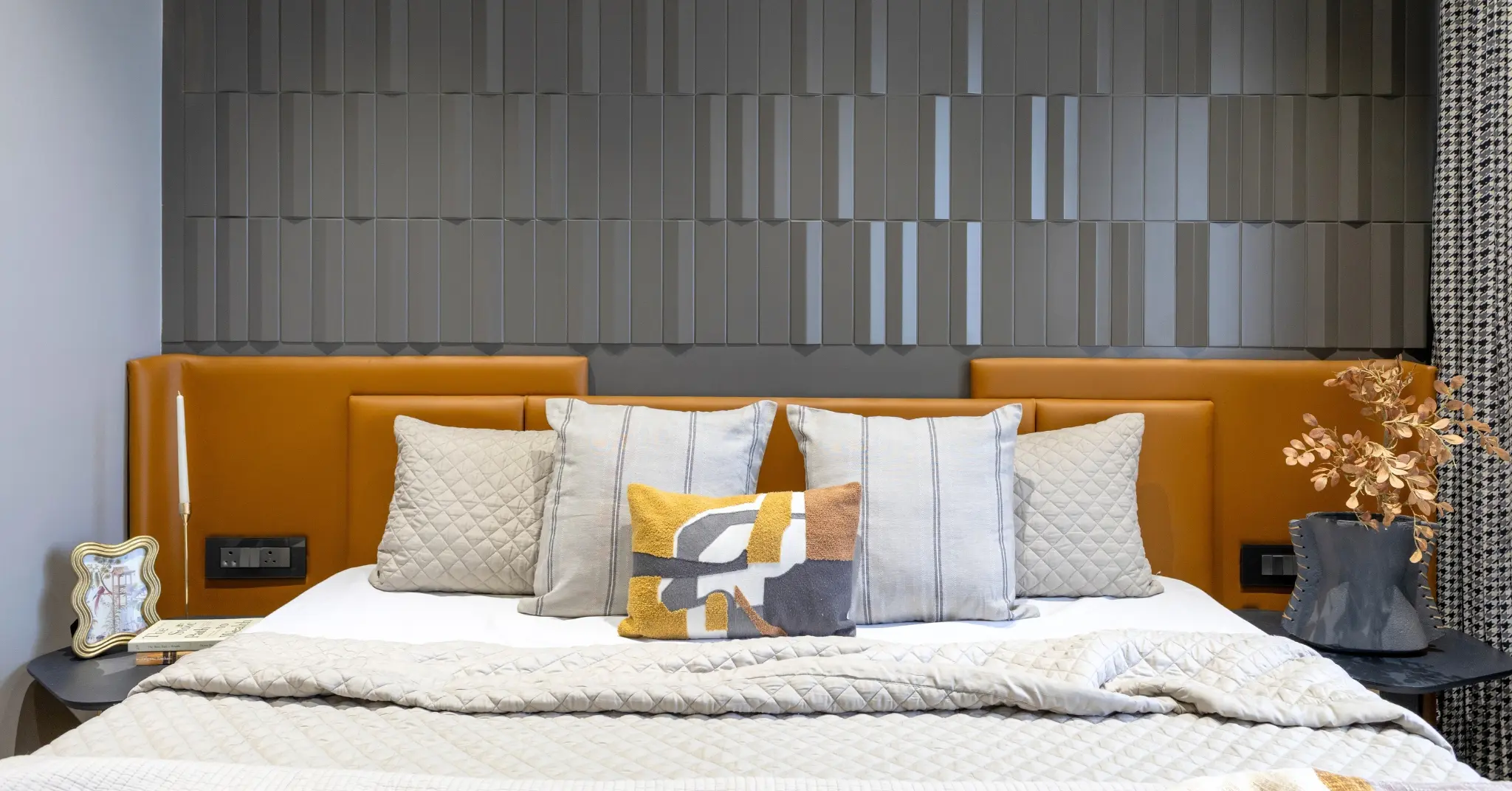
Bedrooms require materials that promote comfort and calm. Flooring choices often lean toward warmer materials such as wooden flooring or matte tiles. Wall finishes should be soft and neutral to support a restful environment.
Wardrobe materials must be durable yet visually integrated with the room. Laminates, veneers, or painted finishes are commonly used. Hardware should be smooth and long lasting, as wardrobes are used daily.
Bed back panels, side tables, and desks should use materials that are easy to maintain while still adding warmth. Studio Mavi ensures bedroom materials remain visually calm and tactile without compromising durability.
Know more about us and our approach to designing balanced, long-lasting interiors at Studio Mavi.
Bathroom Material Checklist
Bathrooms demand high-performance materials due to constant exposure to moisture. Flooring must be anti-skid to ensure safety. Wall tiles should resist water absorption and be easy to clean.
Countertops should handle moisture and regular cleaning. Quartz and granite are common choices. Cabinet materials must be moisture resistant, often using treated plywood or PVC-based boards.
Fixtures and fittings should be corrosion resistant. Finishes such as chrome, matte black, or brushed metal should be selected based on maintenance preferences.
Studio Mavi prioritises bathroom materials that combine safety, durability, and ease of cleaning, ensuring the space remains functional over time.
Dining Area Material Checklist
Dining areas often connect to kitchens and living rooms, so material continuity is important. Dining tables must be durable and easy to clean. Wood, stone, or engineered surfaces are commonly used.
Chair upholstery should resist stains and be comfortable for extended use. Lighting materials should complement table finishes and provide adequate illumination.
Flooring in dining areas should handle spills and movement. Studio Mavi ensures dining materials integrate seamlessly with adjacent spaces.
Entryway and Circulation Areas
Entryways experience heavy foot traffic and require durable flooring. Materials must be easy to clean and resistant to wear. Wall finishes should handle frequent contact without showing marks easily.
Storage units near entrances should use scratch-resistant finishes. Studio Mavi often uses practical yet visually refined materials in entry areas to create a strong first impression.
Hardware and Finishing Details
Hardware is often overlooked but plays a crucial role in longevity. Hinges, handles, and runners should be high quality to withstand daily use. Poor hardware can reduce the lifespan of otherwise good materials.
Finishes should be consistent across the home to maintain visual harmony. Studio Mavi integrates hardware selection into the early design phase to ensure compatibility with chosen materials.
Maintenance and Lifestyle Considerations
Material selection should reflect how the home will be used. Families with children may prefer more durable and stain-resistant surfaces. Homes with less daily wear can accommodate more delicate finishes.
Maintenance expectations must be realistic. Some materials require sealing or special care, while others are nearly maintenance free. Studio Mavi helps homeowners understand these differences before finalising selections.
Budget and Long-Term Value
Initial cost should not be the only factor. Durable materials often provide better long-term value by reducing repair and replacement costs. Investing in quality surfaces for high-use areas usually pays off over time.
Studio Mavi approaches budgeting with a long-term perspective, ensuring materials deliver both performance and aesthetic value.
Final Thoughts
An interior material selection checklist ensures every room functions well and remains visually cohesive. By evaluating flooring, walls, cabinetry, hardware, and finishes together, homeowners can avoid costly mistakes and create spaces that age gracefully.
Material selection is not just about appearance—it is about how a home performs every day. With a systematic, room-by-room approach, interiors become easier to maintain, more comfortable to live in, and better aligned with long-term needs.
FAQs
When should I finalise interior materials?
Material selection should ideally be finalised before execution begins, during the design planning stage.
Which room needs the most durable materials?
Kitchens and bathrooms require the most durable, moisture- and heat-resistant materials.
Should all rooms use the same finishes?
Not necessarily. Finishes should vary by function but still maintain visual continuity across the home.
How do I choose low-maintenance materials?
Look for non-porous, stain-resistant, and easy-to-clean surfaces like laminates, quartz, and vitrified tiles.
Why consult an interior designer before selecting materials?
A designer ensures materials match lifestyle, budget, and long-term usability while keeping the home cohesive.