Teak wood furniture has long been a part of Indian homes. Known for its strength, longevity, and timeless appeal, teak continues to be one of the most trusted materials in interior design. Even as new materials and finishes enter the market, teak remains relevant because it balances beauty with durability like few others can.
For homeowners investing in long-term interiors, understanding teak wood—its qualities, uses, and care—is essential. This guide covers everything you need to know about teak wood furniture and why it continues to be a preferred choice in thoughtfully designed homes.
What Is Teak Wood
Teak is a tropical hardwood, traditionally sourced from regions of India, Myanmar, and Southeast Asia. Indian teak, especially older plantation teak, is known for its dense grain, high oil content, and natural resistance to moisture and pests.
These qualities make teak ideal for furniture that is meant to last decades, not just years. Interior design studios that prioritise longevity and material honesty, such as Studio Mavi, often incorporate teak selectively within residential interiors where durability and warmth are equally important.
Why Teak Wood Is So Durable
One of teak’s defining characteristics is its natural oil content. These oils protect the wood from termites, moisture, and decay without the need for excessive chemical treatment. This makes teak furniture particularly suitable for Indian climates, where humidity and temperature fluctuations are common.
Teak also does not warp easily, making it ideal for doors, cabinets, beds, dining tables, and long-span furniture. When used thoughtfully—as seen in well-planned residential interiors—teak retains both its structural integrity and visual appeal over time.
The Aesthetic Appeal of Teak Furniture
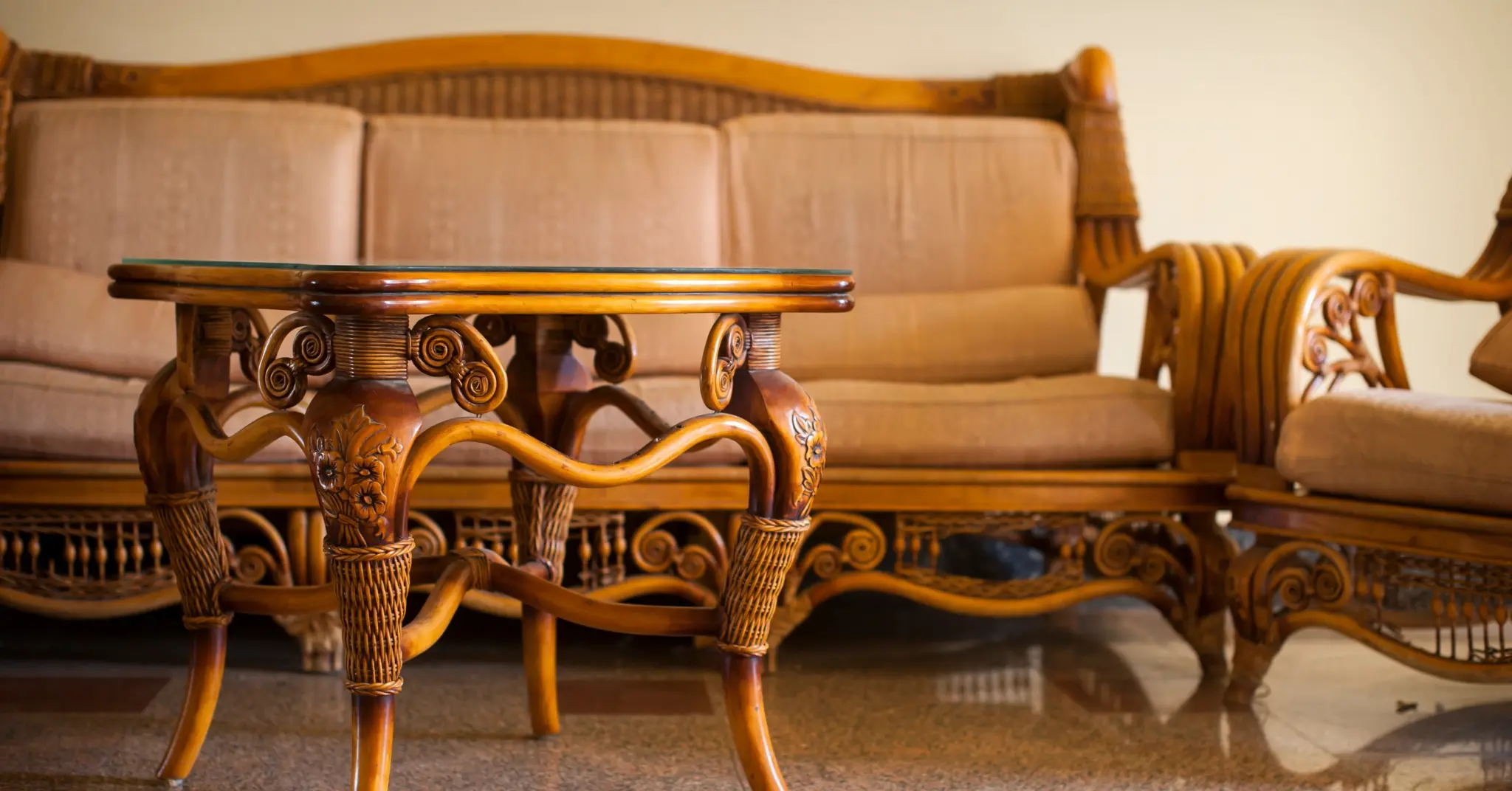
Teak has a naturally warm tone that ranges from golden brown to deep honey hues. Over time, it develops a richer patina, adding character rather than looking worn out. The grain is subtle yet distinctive, allowing teak furniture to blend seamlessly into both traditional and contemporary spaces.
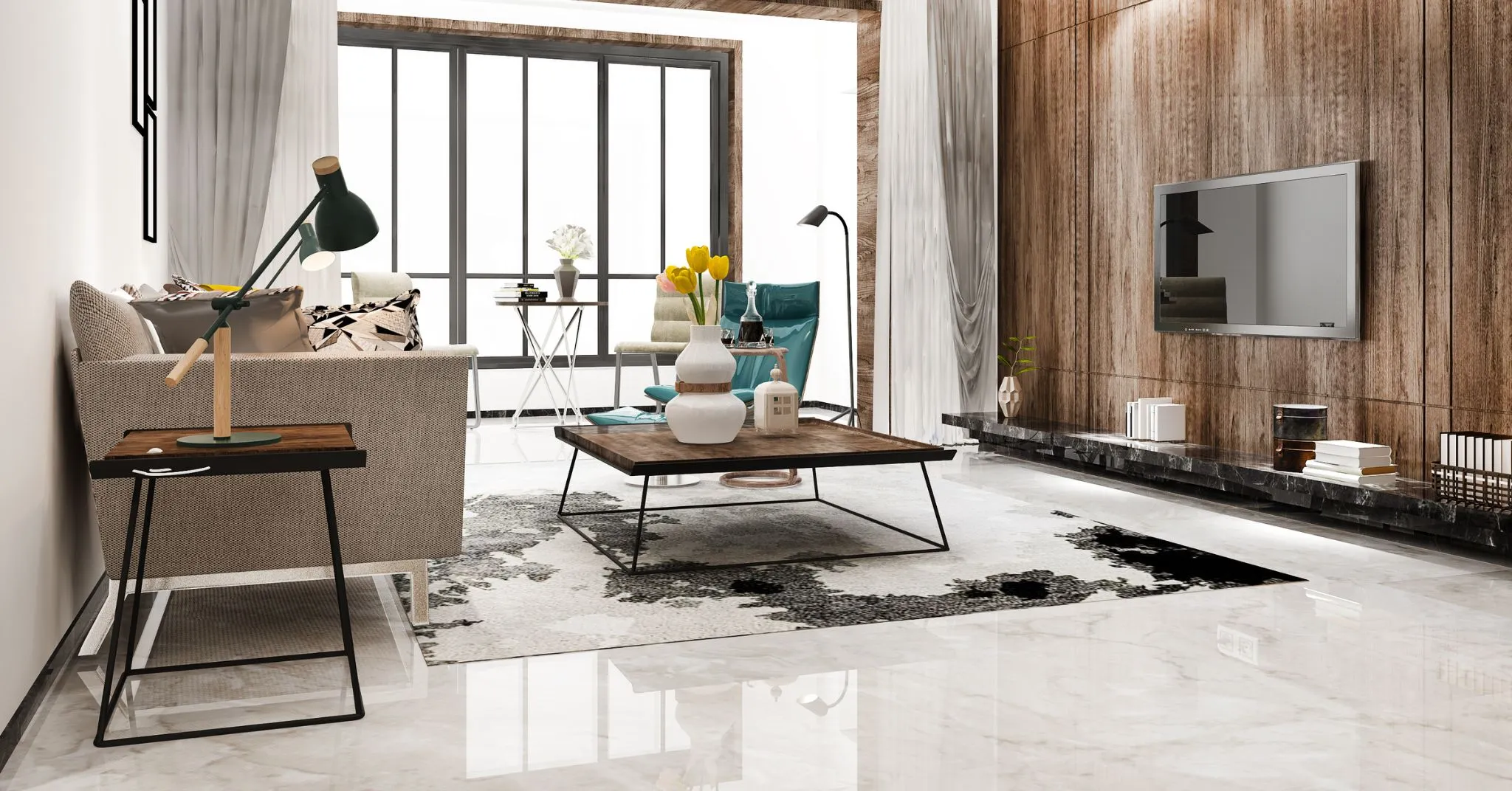
In modern interiors, teak is often paired with neutral finishes, stone surfaces, or muted colours to create balanced, timeless spaces. This understated approach aligns closely with Studio Mavi’s design philosophy, where materials are chosen for their ability to age gracefully rather than follow short-lived trends.
Teak Wood in Modern Indian Homes
Contrary to the belief that teak is only suited for traditional homes, it works exceptionally well in modern Indian interiors. Clean-lined teak furniture, minimalist cabinetry, and simple joinery allow the material to shine without appearing heavy or dated.
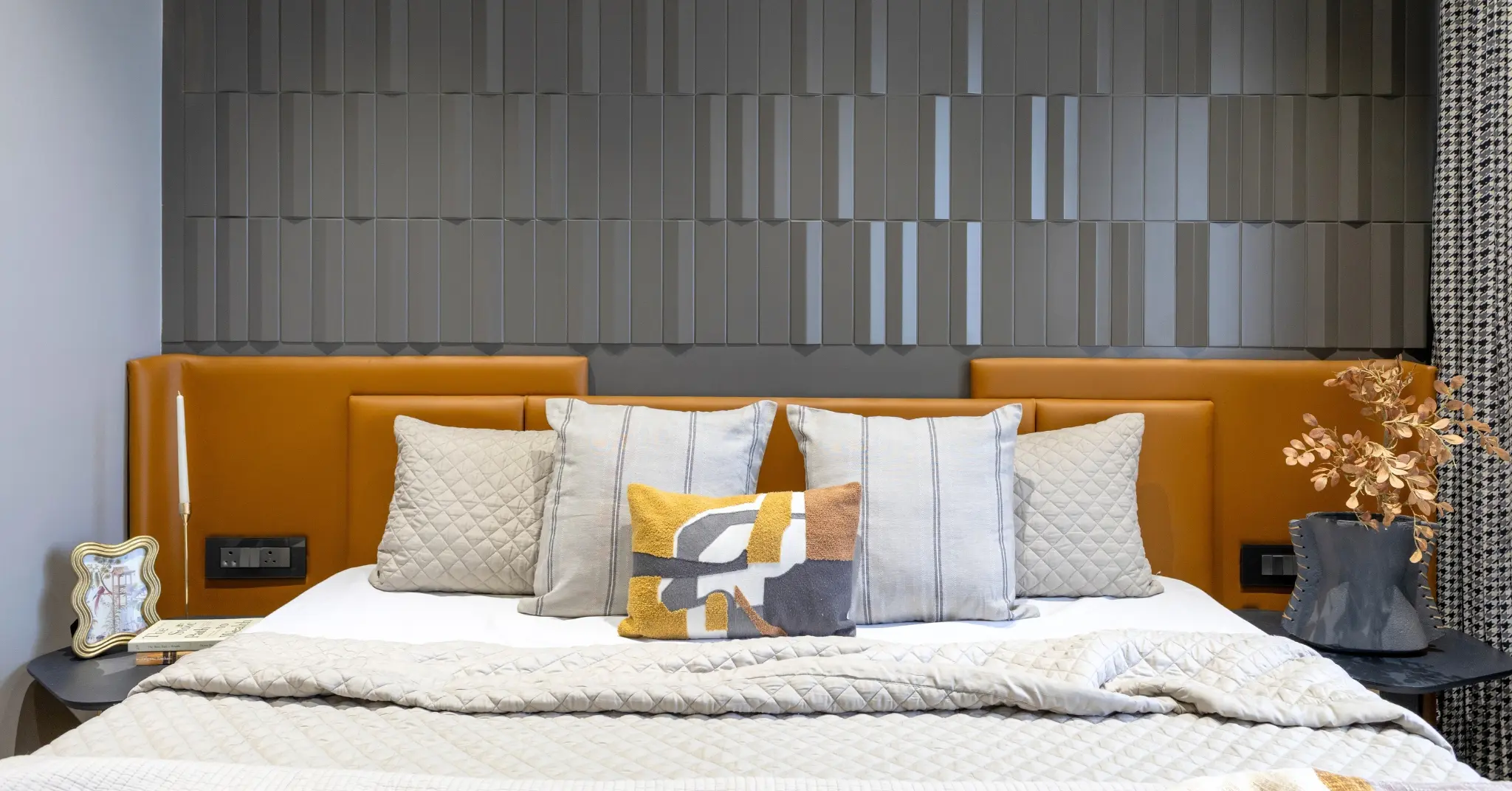
In compact urban homes, teak is often used selectively—such as for dining tables, bed frames, wardrobes, or accent furniture—rather than overwhelming the entire space. Studio Mavi’s residential design approach reflects this balance, integrating natural materials thoughtfully rather than excessively.
Solid Teak vs Engineered Alternatives
Solid teak furniture is crafted entirely from teak wood and is considered a long-term investment. It offers unmatched durability and can be repaired or refinished multiple times over its lifespan.
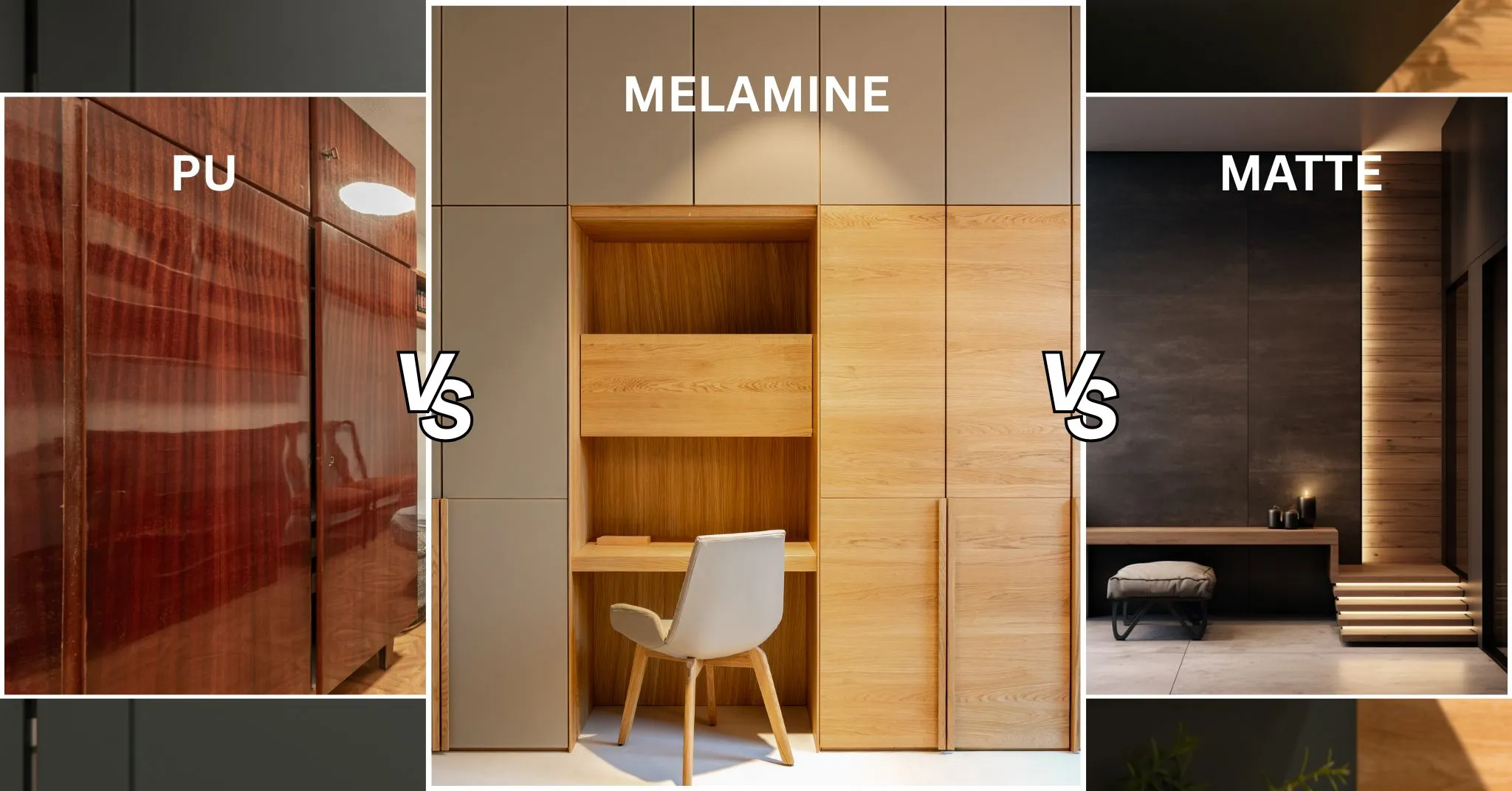
Engineered or veneer-based alternatives use teak on the surface with a different core material. While more budget-friendly, they do not offer the same longevity or structural strength. For homeowners planning permanent interiors, solid teak remains the superior choice, especially when designed and executed professionally.
Maintenance and Care of Teak Furniture
One of the advantages of teak is its low maintenance. Regular dusting and occasional wiping with a damp cloth are usually sufficient. Polishing can be done periodically to maintain its sheen, though many homeowners prefer allowing teak to develop a natural patina.
Avoid prolonged exposure to direct sunlight and excessive moisture to preserve the wood’s finish. With basic care, teak furniture can last generations—making it one of the most sustainable choices in interior design.
Is Teak Wood Sustainable
Sustainability is an important consideration today. Responsibly sourced plantation teak is considered sustainable when harvested and managed correctly. Choosing quality over quantity also contributes to sustainability, as long-lasting furniture reduces the need for frequent replacements.
Design studios that prioritise responsible material selection, such as Studio Mavi, focus on durability and timelessness—two factors that naturally support sustainable living.
Cost Considerations
Teak wood furniture is more expensive than many other wood options, but its cost reflects its longevity and performance. Instead of viewing teak as an expense, it is better understood as a long-term investment in quality and durability.
When planned as part of a holistic interior design strategy—as seen in Studio Mavi’s expertise-driven approach—teak furniture often proves more economical over time than cheaper alternatives that require frequent replacement.
Where Teak Wood Works Best
Teak is ideal for beds, dining tables, wardrobes, cabinets, doors, and seating furniture. Its strength makes it suitable for load-bearing pieces, while its appearance adds warmth to living spaces and bedrooms alike.
Using teak selectively ensures that interiors remain balanced and not visually heavy, especially in contemporary homes.
Final Thoughts
Teak wood furniture continues to hold its place in Indian homes because it offers something rare—beauty that lasts. Its durability, natural resistance, and timeless aesthetic make it one of the most reliable materials for long-term interior design.
When integrated thoughtfully within a well-planned interior, teak enhances both functionality and character. Design studios like Studio Mavi, known for their material-sensitive and function-first approach, demonstrate how traditional materials like teak can remain relevant in modern living spaces.
For homeowners seeking interiors that age gracefully and stand the test of time, teak wood furniture remains a choice worth making.