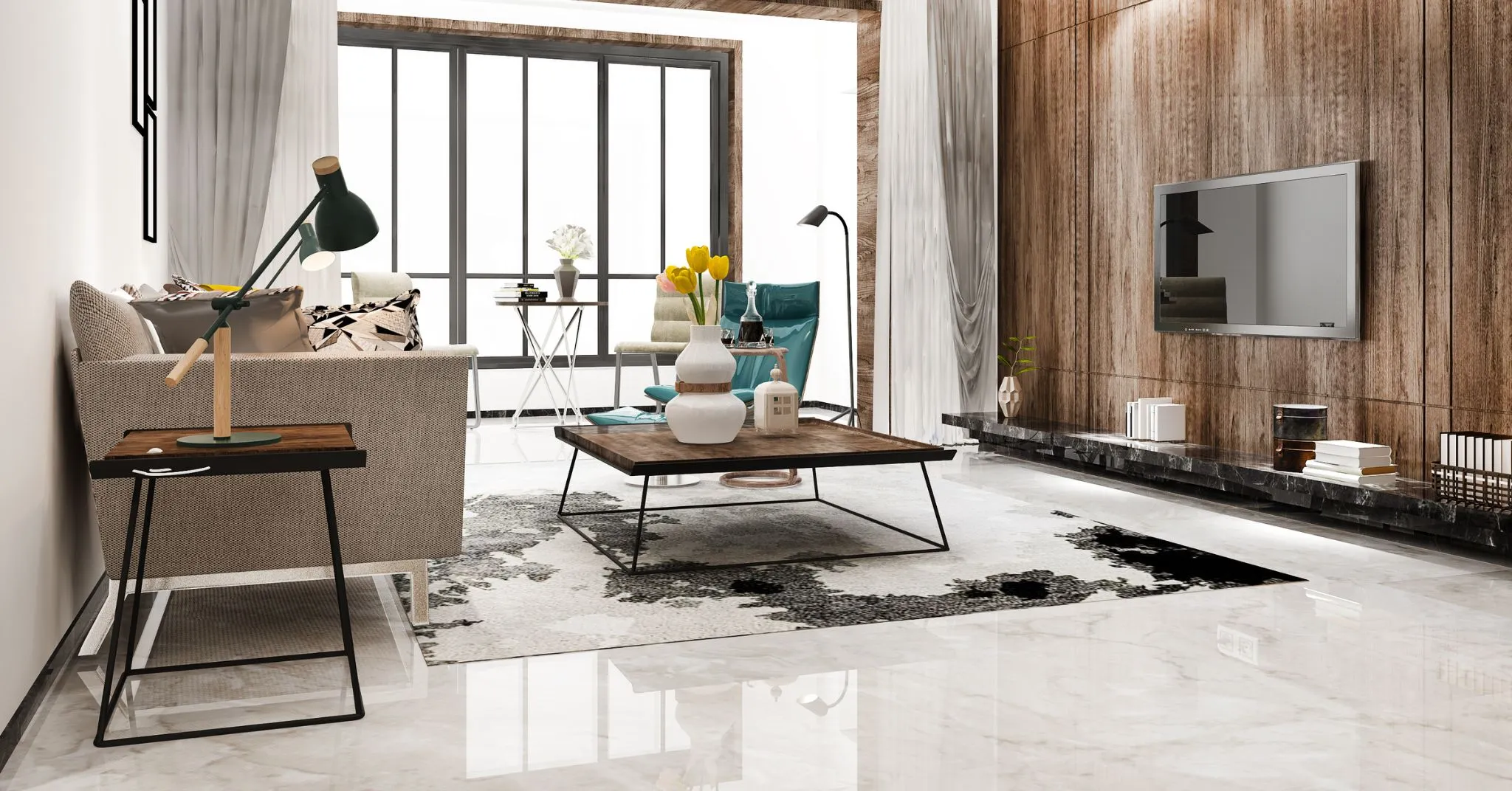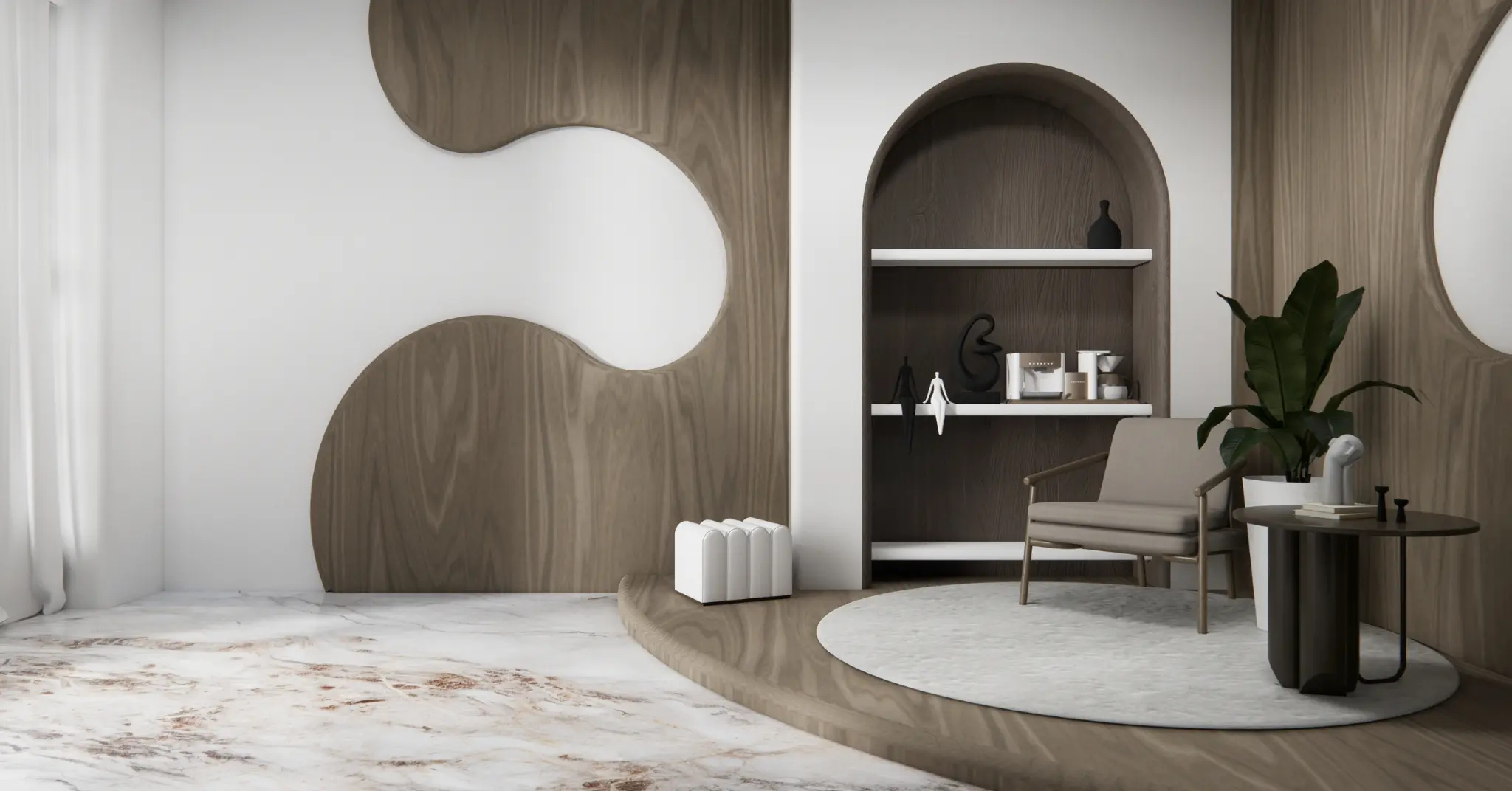
Interior design in 2026 moves beyond surface beauty. It’s no longer just about what looks good on social media—it’s about how spaces function, adapt, and emotionally support everyday life. Homes are becoming calmer, workspaces more human, and design decisions more intentional.
As lifestyles evolve—especially in urban cities like Pune—interior design responds with warmth, flexibility, and longevity. Here are 20 interior design trends for 2026 that are shaping the way homes, offices, and hybrid spaces are being designed.
1. Warm Minimalism
Minimalism continues, but without sterility. In 2026, clean layouts are paired with warm textures—soft woods, tactile fabrics, limewashed walls, and muted palettes. Spaces feel minimal yet welcoming.
2. Curved Forms and Soft Geometry
Sharp edges give way to curves. Rounded furniture, arched doorways, fluid partitions, and organic layouts introduce a sense of ease and visual comfort.
3. Earth-Inspired Colour Palettes
Terracotta, clay beige, olive green, sand, and muted browns dominate interiors. These colours create grounded, emotionally calming spaces that connect interiors to nature.
4. Quiet Luxury
Luxury shifts from overt opulence to understated refinement. It shows up in craftsmanship, proportions, concealed details, and high-quality materials rather than flashy finishes.
5. Timeless Over Trendy
Designing for longevity becomes a priority. Neutral bases, adaptable layouts, and classic materials ensure interiors age gracefully instead of feeling outdated.
6. Texture as the New Decor
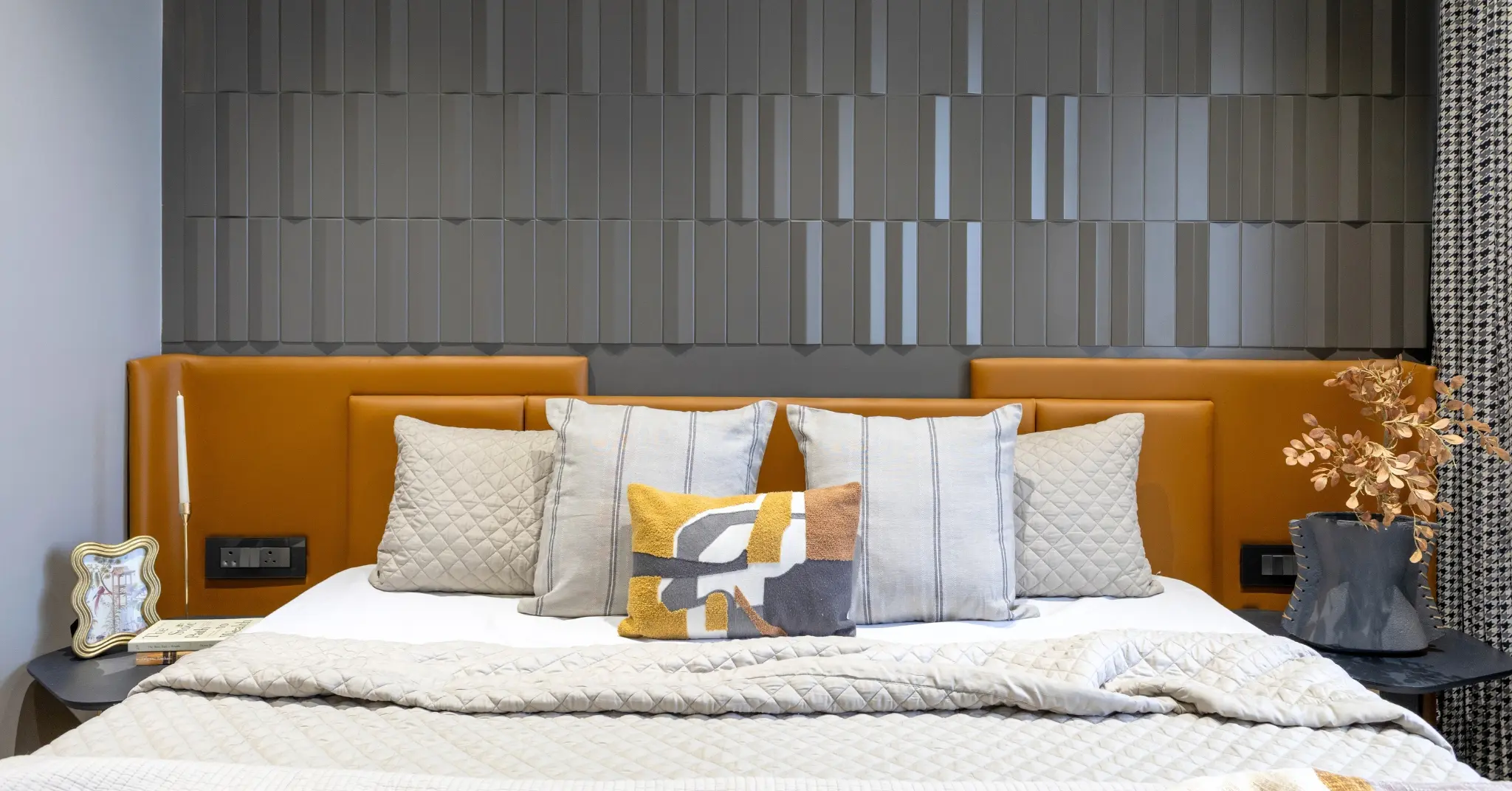
Instead of excessive accessories, interest comes from surfaces—fluted panels, textured plaster, ribbed glass, micro-cement walls, and natural stone finishes.
7. Biophilic Design Beyond Plants
Biophilic design deepens in 2026. Natural light, ventilation, organic materials, indoor-outdoor connections, and sensory comfort take precedence over decorative greenery alone.
8. Smarter Use of Smaller Spaces
With compact apartments becoming common, interior layouts focus on multifunctional furniture, vertical storage, flexible zoning, and efficient circulation.
9. Kitchens as Social Hubs
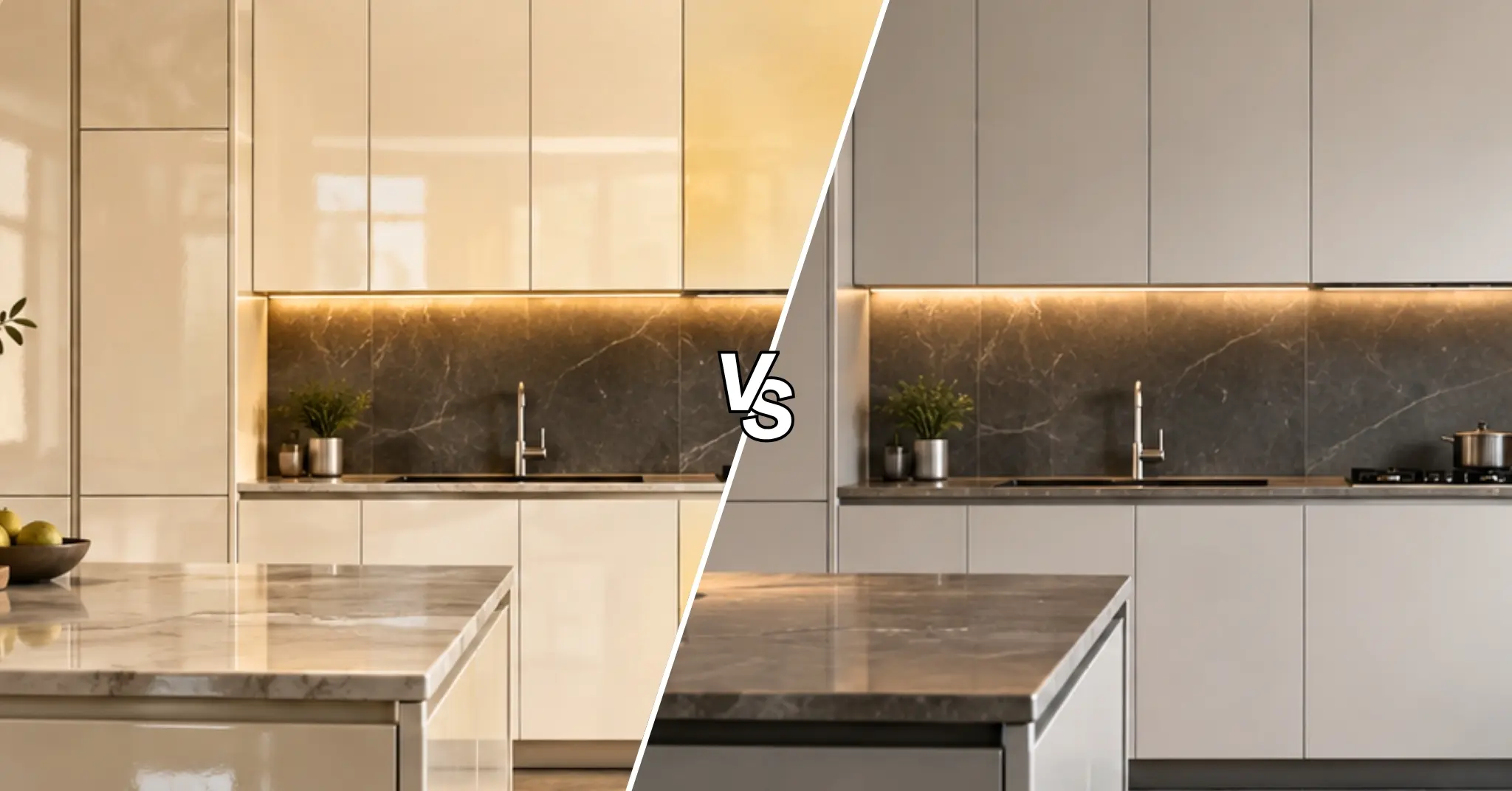
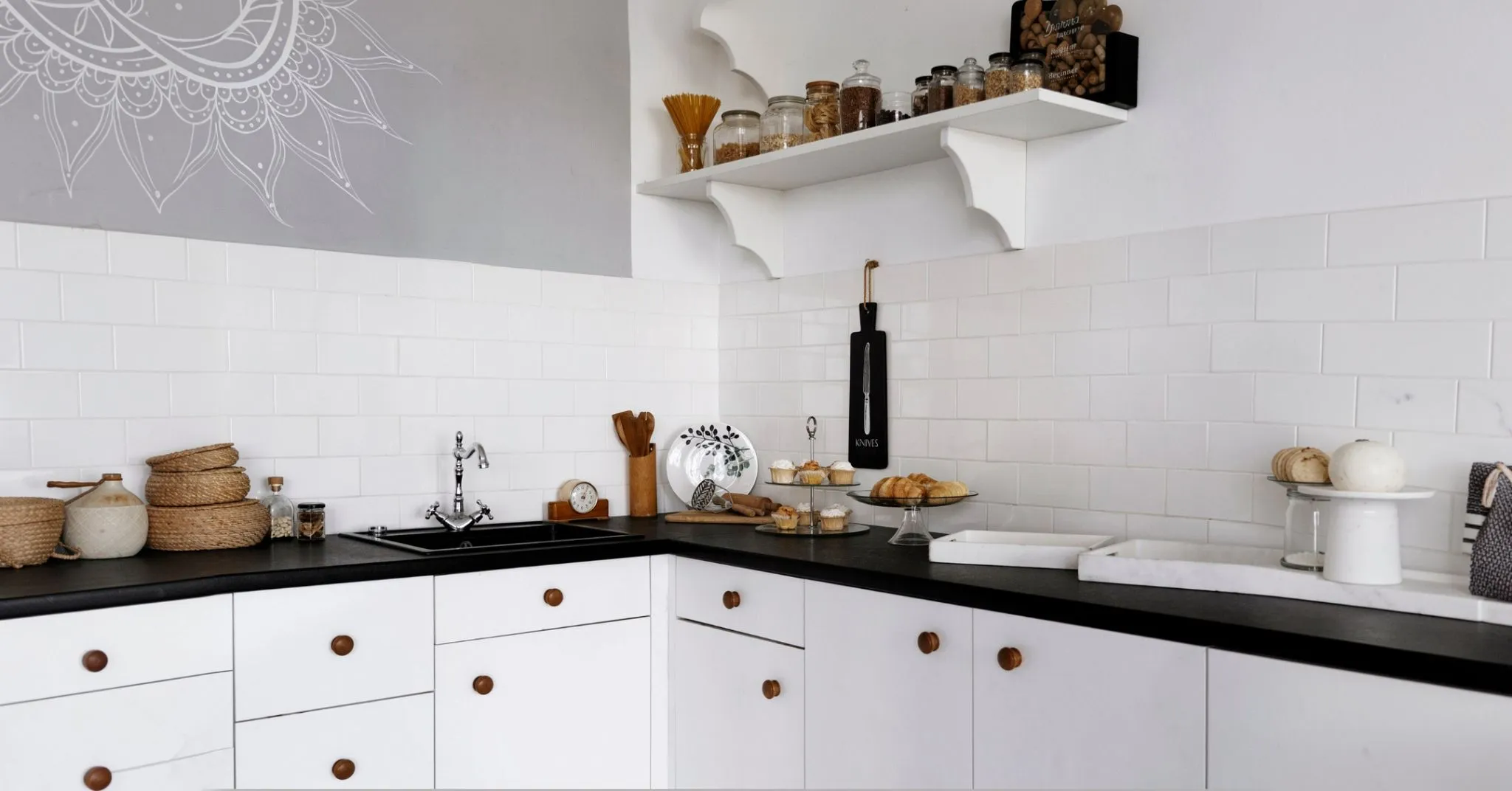
Kitchens evolve into open, integrated spaces that feel as designed as living rooms. Hidden appliances, seamless cabinetry, and softer finishes define modern kitchens.
10. Honest, Natural Materials
Materials are chosen for authenticity rather than perfection. Wood grains, stone veins, textured tiles, and handcrafted finishes bring character and warmth.
11. Layered Lighting
Single-point lighting is replaced by layered systems—ambient lighting for mood, task lighting for function, and accent lighting for depth and atmosphere.
12. Workspaces That Blend In
Home offices no longer look corporate. Integrated desks, concealed storage, and warm materials allow workspaces to merge seamlessly into residential interiors.
13. Sustainability as a Standard
Eco-conscious design becomes non-negotiable. Local sourcing, durable materials, energy efficiency, and thoughtful planning define responsible interiors.
14. Designed Ceilings
Ceilings receive deliberate attention through textures, subtle colours, wooden slats, or layered lighting—transforming them into an active design element.
15. Soft Zoning Instead of Walls
Rigid walls are replaced with sliding panels, screens, shelves, curtains, and glass partitions that define spaces while maintaining openness.
16. Personal Storytelling Through Design
Homes increasingly reflect their owners’ journeys. Art, travel memorabilia, custom furniture, and personalised layouts make spaces deeply individual.
17. Spa-Inspired Bathrooms
Bathrooms become places of retreat. Natural materials, textured surfaces, warm lighting, and uncluttered layouts create calm, spa-like environments.
18. Colour-Drenched Interiors
Monochromatic spaces—where walls, ceilings, and furnishings sit within the same colour family—create immersive, cocoon-like experiences.
19. Invisible Technology
Smart homes become quieter. Automation, climate control, and lighting systems are integrated subtly, enhancing comfort without visual dominance.
20. Emotion-Led Design
Above all, interiors in 2026 prioritise emotion. Calm, clarity, comfort, and well-being guide design decisions more than trends or visual impact.
Final Thoughts
The interior design trends of 2026 reveal a clear shift—towards thoughtful, human-centric spaces designed for real life. Whether it’s a compact city apartment, a long-term family home, or a modern workspace, good design today balances beauty with function, and style with longevity.
For interior design studios working in evolving urban contexts like Pune, these trends aren’t fleeting ideas. They are design principles that shape spaces meant to last—visually, emotionally, and practically.