The dining room is more than a place to eat—it’s a space for conversation, celebration, and connection. Whether it’s Sunday brunch with family or a quiet dinner for two, the right wall colour can set the tone, influence mood, and even make your food look more appealing. In fact, a 2024 Houzz survey found that 68% of homeowners feel that wall colour is the single most transformative element in a dining space.
If you’re planning a dining room makeover, this guide combines Studio Mavi’s design philosophy with timeless colour theory, practical tips, and modern trends—so you can turn your walls into a canvas that elevates every meal.
1. The Psychology of Colour in Dining Rooms
Good design starts with understanding how colour affects mood. In interiors, colour isn’t just decoration—it’s a tool for emotional storytelling.
- Warm Colours (Reds, Oranges, Yellows): Research from the Journal of Environmental Psychology suggests warm tones can stimulate appetite and conversation. A burnt sienna accent wall or a muted terracotta can add vibrancy without overwhelming the senses.
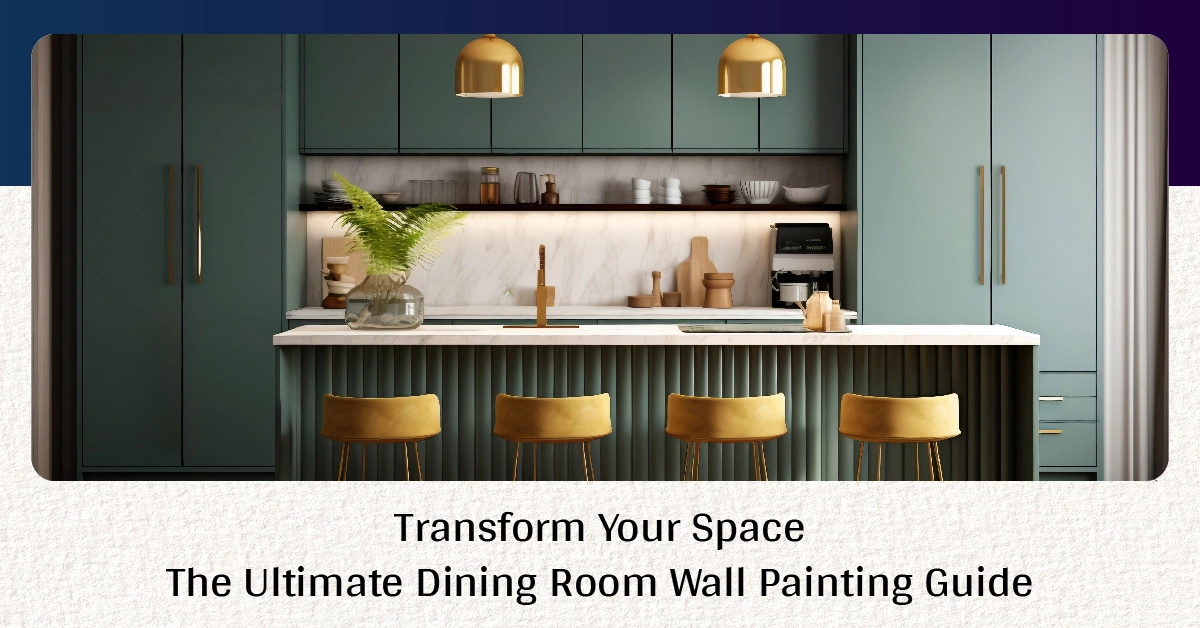
- Cool Colours (Blues, Greens): These create a calm, composed atmosphere—perfect for long, lingering dinners. A soft sage green works beautifully with wood furniture, creating a balance between freshness and warmth.
- Neutrals (Beige, Taupe, Greige): Ideal for a timeless, adaptable look. Pair with textured finishes or art pieces to keep the room from feeling flat.
Design Tip: If your dining room is used for multiple functions—meals, work, entertaining—opt for mid-tone colours that feel balanced in both daylight and evening light.
2. The Rule of Thirds for Wall Painting
In photography and art, the “rule of thirds” helps create balance. Applied to interiors, it can make your dining room walls more engaging.
Here’s how:
- Divide your wall visually into three horizontal sections.
- Use the bottom third for darker shades (for grounding), the middle for your main wall colour, and the top for lighter or decorative treatments like crown moulding or wallpaper borders.
For example, a deep navy lower wall with a lighter dove grey above can give the illusion of higher ceilings while maintaining visual interest.
3. Accent Walls vs. Full Room Colour
A common question from homeowners is whether to paint all four walls or just one. The answer depends on your space’s size, lighting, and function.
- Accent Wall: Best for open-plan layouts where the dining area blends into other spaces. An emerald green or cinnamon wall behind the dining table can anchor the space visually.
- Full Colour: Works well in enclosed dining rooms, creating an immersive atmosphere. Think moody charcoal for intimate dinners or buttery cream for a bright, airy feel.
According to a Sherwin-Williams colour impact study, accent walls can increase perceived space definition by up to 20% in multi-use rooms.
4. Layering Colour with Texture
Flat paint is just one option. By introducing texture, you can create depth and tactile interest.
- Matte Finish: Hides imperfections, perfect for softer, diffused light.
- Eggshell or Satin: Easy to clean—practical for high-traffic dining spaces.
- Textured Techniques: Venetian plaster, limewash, or sponge techniques can make a monochrome wall feel alive.
Example from Design Theory: The Gestalt principle of figure-ground teaches us that texture can help the eye separate focal areas (like your dining table) from the background (the wall), enhancing both.
5. Pairing Wall Colours with Furniture & Décor
A dining room’s magic lies in harmony. Wall colour should complement—not compete with—furniture, flooring, and art.
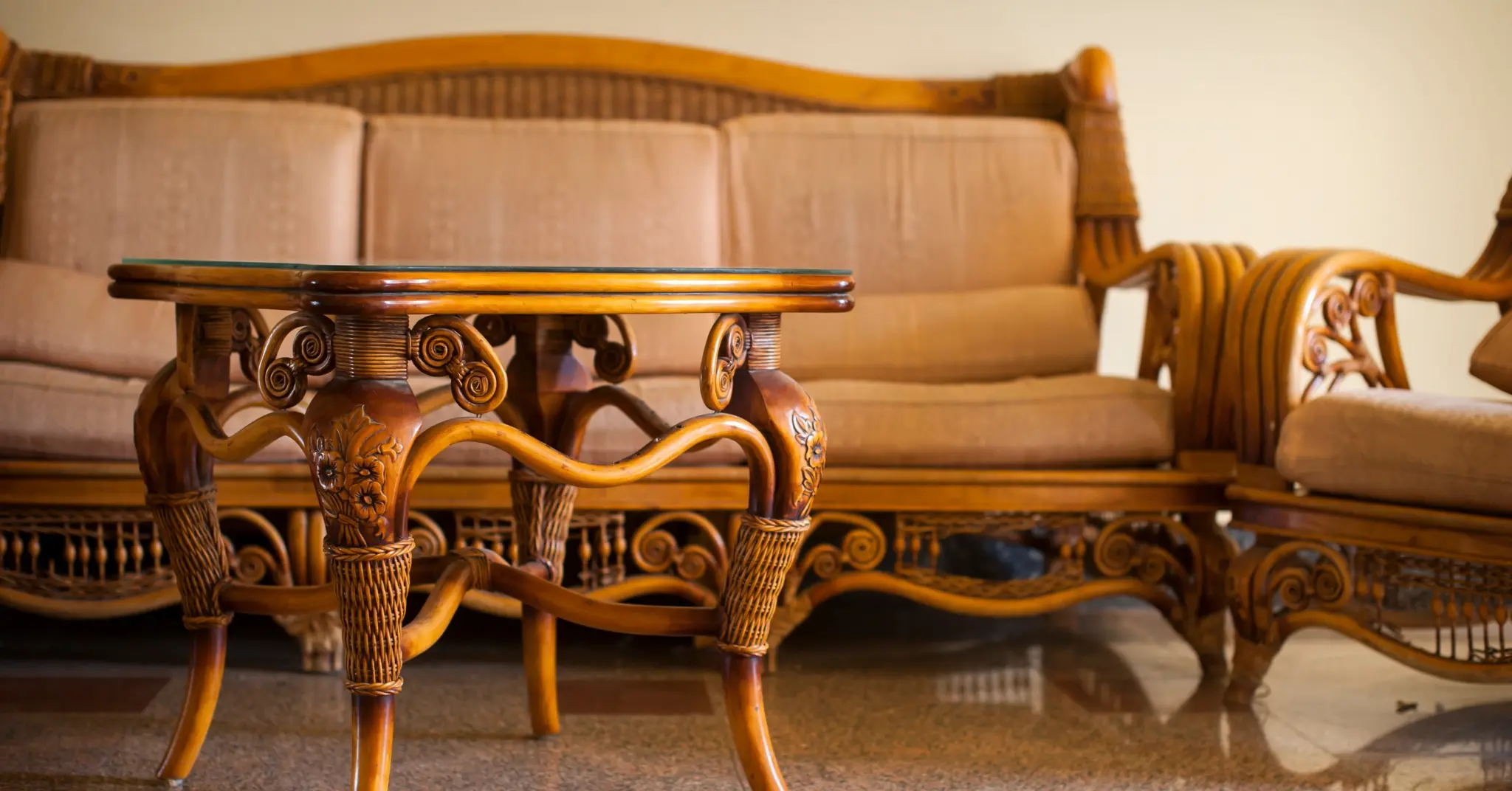
- Dark Wood Furniture: Pairs well with mid-tone walls—olive, warm grey, or muted teal.
- Light Wood or White Furniture: Looks striking against deep, saturated colours like burgundy or graphite.
- Metallic Accents: If your lighting fixtures are brass or gold, warm wall tones like ochre or peach can enhance their glow.
Design Insight: Complementary colours (opposites on the colour wheel) create dynamic energy, while analogous colours (next to each other on the wheel) create a soothing flow.
6. Lighting: The Silent Partner of Wall Colour
Even the most carefully chosen paint can look different under artificial lighting. Warm LED bulbs enhance reds, oranges, and yellows, while cool lighting flatters blues and greys.
If your dining room is north-facing and receives cooler daylight, a warmer wall colour can balance the tone. Conversely, south-facing rooms can handle cooler shades without feeling cold.
7. Trends to Watch in 2025
While classic palettes never go out of style, here are some fresh directions for dining room walls:
- Earthy Minimalism: Clay, sand, and olive tones paired with natural wood and linen.
- Bold Monochrome: Deep jewel tones like amethyst or forest green applied to walls, trims, and ceilings for immersive drama.
- Biophilic Hues: Soft greens and sky blues that bring nature indoors—a growing preference, with a Statista report noting that 48% of homeowners now prioritise natural tones in redesigns.
8. Common Mistakes to Avoid
- Ignoring Undertones: Beige can lean pink or yellow—test swatches in different lights.
- Forgetting Ceiling Colour: A pure white ceiling isn’t always the answer; a toned-down shade can create a cozier, more cohesive look.
- Overcomplicating the Palette: Stick to 2–3 main wall-related colours in a dining space to avoid visual clutter.
9. How Studio Mavi Approaches Dining Room Walls
At Studio Mavi, we believe every wall is a storytelling surface. Our design process blends colour theory with lifestyle needs—whether that means a soothing neutral backdrop for art collections or a bold accent to energise family gatherings.
For example, in our Gulposh project, we used a muted teal dining wall paired with brass lighting to create a luxurious yet inviting atmosphere. The balance of cool and warm elements made the space versatile for both festive dinners and everyday meals.
Final Thoughts
Your dining room walls do more than frame your space—they shape experiences. By understanding the psychology of colour, balancing light and texture, and aligning your palette with furniture and décor, you can create a space that feels as good as it looks.
If you’re ready to transform your dining area into a room where every meal feels special, Studio Mavi can help you navigate the choices with expertise, creativity, and a deep understanding of how design works in real life.