As we step into 2025, the workplace is evolving from a productivity-focused zone into a more holistic, people-centric environment. Interior design plays a critical role in shaping how teams collaborate, stay healthy, and align with environmental responsibility. At Studio Mavi, we design spaces that balance style with function, comfort with culture, and innovation with sustainability.
This year, three defining themes are shaping the future of office interiors:
- Flexibility – Adapting to hybrid work and evolving team needs
- Wellness – Prioritizing physical and mental health in workplace design
- Sustainability – Designing with ecological consciousness and responsibility
Let’s explore these three pillars in detail.
1. Flexibility: Designing for a Dynamic Work Culture
What is Flexibility in Office Design?
Flexibility in interior design refers to the ability of a space to adapt to changing needs—whether that means accommodating hybrid work models, reorganizing teams, or hosting diverse activities. A flexible office is modular, reconfigurable, and future-ready.
Multi-Zone Office Layouts
In 2025, static floor plans are a thing of the past. Offices are now being planned as multi-functional ecosystems—with spaces designated for collaboration, solo work, informal meetings, phone calls, and relaxation.
Interior elements like movable partitions, acoustic pods, and modular furniture are at the forefront of this trend. These allow organizations to reconfigure their space quickly as team structures or tasks shift.
At Studio Mavi, we’ve helped businesses implement multi-zone layouts that optimize productivity without sacrificing aesthetic consistency.
Activity-Based Working (ABW)
Activity-Based Working continues to gain traction, giving employees the freedom to choose their preferred environment based on the nature of their task. This means designing spaces such as:
- Private booths for focused work
- Collaborative zones with writable walls
- Open lounges for informal catch-ups
This design approach not only improves employee satisfaction but also reduces space wastage, especially in hybrid setups.
Hybrid Work Integration
In today’s hybrid era, design must support both in-person and remote collaboration. Offices in 2025 now feature:
- Tech-equipped huddle rooms
- Flexible seating arrangements
- Video conferencing rooms with acoustic control and camera-friendly lighting
This trend ensures that the office remains a hub for culture and creativity, even in a partially remote world.
2. Wellness: Interiors That Support People
What is Wellness in Office Design?
Wellness-centered design aims to create environments that nurture mental and physical health. From ergonomic seating to access to natural light, every element is considered for comfort, calm, and long-term wellbeing.
Biophilic Design
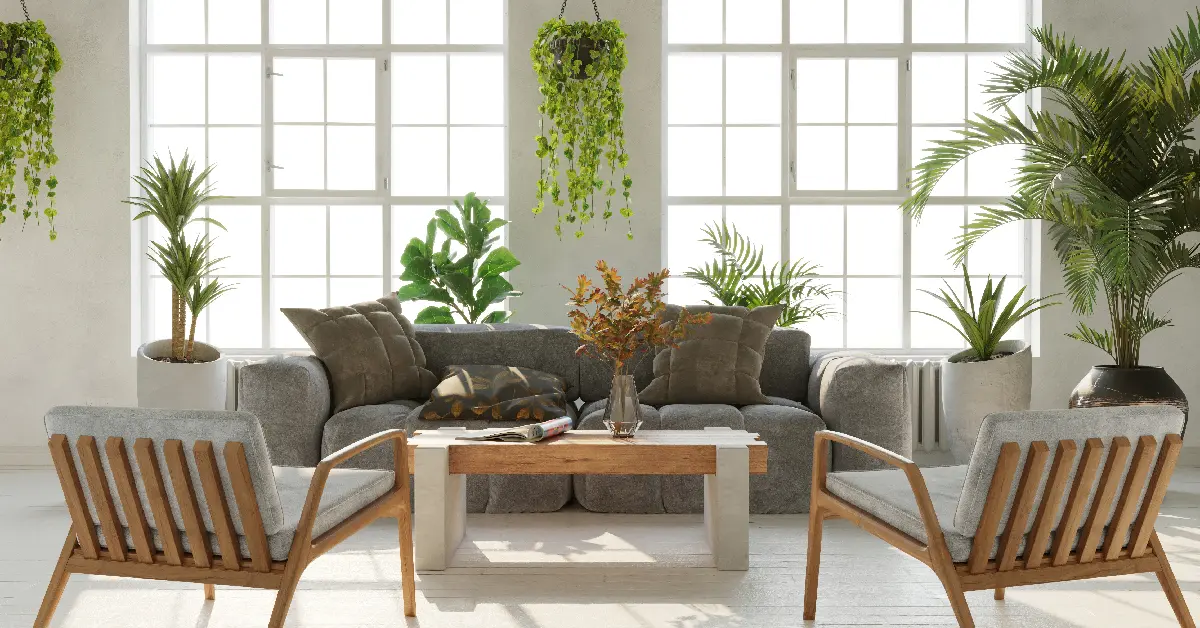
Biophilic design brings the calming influence of nature into the workspace. Incorporating natural elements—like indoor plants, wood finishes, stone textures, and ample daylight—has been shown to:
- Reduce stress
- Boost mood
- Enhance cognitive function
Designers are embracing green walls, indoor planters, and natural ventilation systems to promote a healthy and uplifting atmosphere.
Ergonomic and Adaptive Furniture
Workplace ergonomics are no longer optional—they are essential to employee health and retention. Offices now prioritize:
- Adjustable standing desks
- Lumbar-support chairs
- Monitor arms and accessories for posture support
Studio Mavi integrates ergonomically sound products that align with the overall interior narrative while boosting user comfort.
Recharge and Wellness Zones
More offices are including dedicated zones for rest and recovery, recognizing that wellness directly impacts performance. These zones may include:
- Quiet rooms or pods for meditation
- Lounge-style nooks with soft furnishings
- Lighting and sound systems that create a sense of calm
By allocating space for intentional rest, companies show they value not just output, but wellbeing.
Neurodiversity-Friendly Design
2025 is seeing greater awareness around neurodiversity in the workplace. Designers are creating spaces that accommodate different sensory preferences through:
- Adjustable lighting options
- Soundproofed zones
- Color and texture variation to prevent overstimulation
Designing with inclusivity in mind leads to more productive and comfortable environments for a broader range of employees.
3. Sustainability: Designing with Purpose
What is Sustainability in Office Design?
Sustainable design focuses on reducing environmental impact through eco-conscious materials, energy-efficient systems, and long-lasting interiors. It’s about designing for the planet—without compromising on style or function.
Eco-Friendly Materials
Sustainability is no longer a niche concern—it’s a design essential. Offices are increasingly constructed with:
- Reclaimed wood, recycled metals, and bamboo
- Low-VOC (volatile organic compound) paints
- Locally sourced stone and ceramics
These materials not only reduce environmental impact but also offer rich textures and timeless visual appeal. At Studio Mavi, we work closely with suppliers to source sustainable products that are both durable and design-forward.
Energy-Efficient Systems
Lighting and climate systems are now integral to a building’s eco-footprint. Interior designs in 2025 commonly feature:
- LED lighting with motion sensors
- Smart thermostats
- Solar shading and insulated window systems
These features contribute to lower energy bills and a reduced carbon footprint, aligning with long-term corporate sustainability goals.
Waste-Reducing Design Principles
The layout and construction process itself is now optimized to avoid excess. Designers are:
- Choosing modular components to reduce material waste
- Preferring finishes that are long-lasting and low-maintenance
- Embracing circular design strategies (designing for disassembly and reuse)
Studio Mavi promotes this forward-thinking design strategy, ensuring that every square foot has lasting value and minimum impact.
Additional Trends Bridging All Three Pillars
Resimercial Design
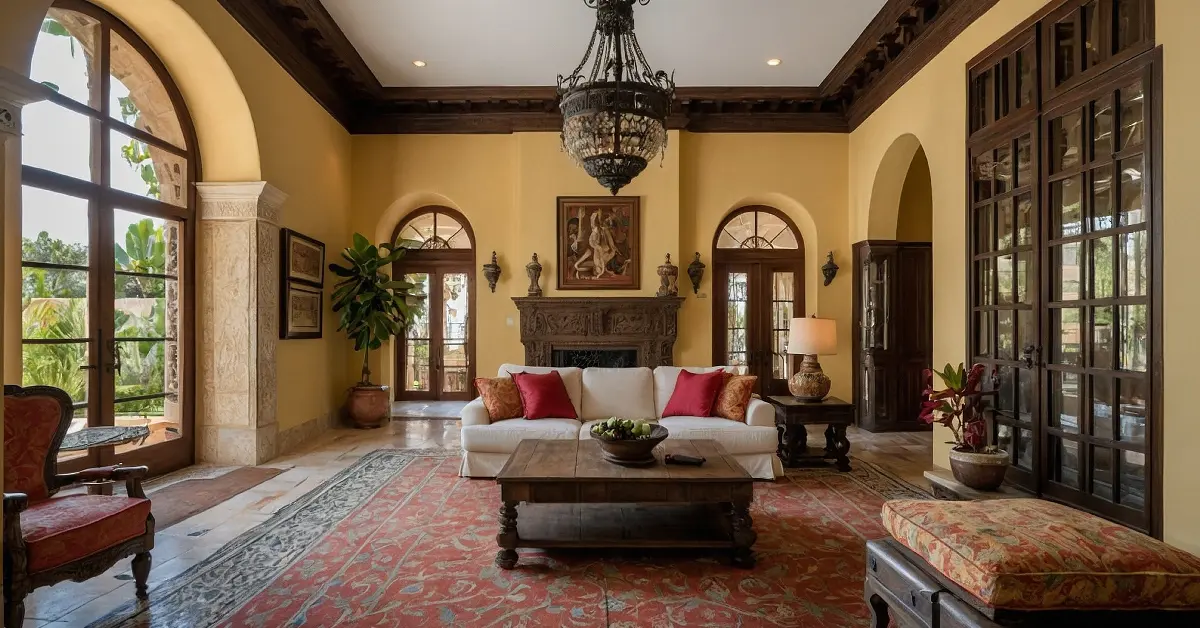
Offices are adopting a home-like aesthetic—a blend of residential comfort with commercial functionality. Think:
- Warm color palettes
- Upholstered furniture
- Soft lighting and layered textures
This approach enhances flexibility, wellness, and sustainability by making workplaces more welcoming and human-centric.
Cultural and Artistic Personalization
Brands are now expressing identity through custom artwork, storytelling murals, and regionally inspired décor. This adds character while supporting local artists and artisans—a sustainable and culturally enriching choice.
Final Thoughts
The office of 2025 is not defined by size or luxury—but by its ability to adapt, support, and inspire. Whether it’s through flexible configurations, wellness-centric details, or sustainable material choices, today’s workplace interiors are crafted with deeper purpose.
At Studio Mavi, we design offices that go beyond function. We help companies build spaces that speak to their values, elevate their culture, and prepare them for the future of work.
If you’re looking to reimagine your workspace with cutting-edge trends and timeless style, we’re here to help you bring it to life.
FAQs
Q1. Why is flexibility important in office design today?
Flexibility supports hybrid work, improves space utilization, and allows companies to adapt as teams and tasks evolve.
Q2. What does biophilic design include?
Biophilic design integrates natural elements like plants, natural light, and organic materials to improve wellness and reduce stress.
Q3. Are sustainable materials budget-friendly?
Yes. Many eco-friendly materials are now competitively priced, durable, and contribute to long-term savings.
Q4. How does design support employee wellness?
Through ergonomic furniture, calm zones, natural light, and sensory-sensitive layouts that reduce mental fatigue.
Q5. What is resimercial design?
Resimercial design blends residential comfort with office utility, creating a warm and human-centered workplace.