There’s something deeply comforting about bringing nature into your home. A gentle beam of sunlight falling on a wooden table, the freshness of indoor plants, or the earthy scent of natural materials — all these details remind us that our living spaces are meant to breathe.
In recent years, green interior design has moved from being a trend to becoming a conscious lifestyle choice. Homeowners in Pune, especially in evolving urban neighbourhoods like Baner, Aundh, and Kalyani Nagar, are turning towards eco-friendly interiors that reduce carbon footprints without compromising style.
This guide takes you through a room-by-room approach to designing sustainable spaces — because embracing nature isn’t just about décor, it’s about living in harmony with your environment.
What Does Green Interior Design Mean?
“Green interiors” go beyond adding plants or using wooden furniture. It’s about responsible design — choosing materials, lighting, and layouts that minimize environmental harm and maximize well-being.
Key principles include:
- Using natural, renewable materials like bamboo, jute, and reclaimed wood.
- Improving air quality through plants and low-VOC paints.
- Maximizing natural light and energy-efficient fixtures.
- Reducing waste by reusing and repurposing furniture.
According to a 2024 report by the Green Building Council of India, homes that integrate sustainable design reduce energy consumption by 20–30% compared to conventional ones.
So, let’s walk through your home — one room at a time — and discover how to “let nature in.”
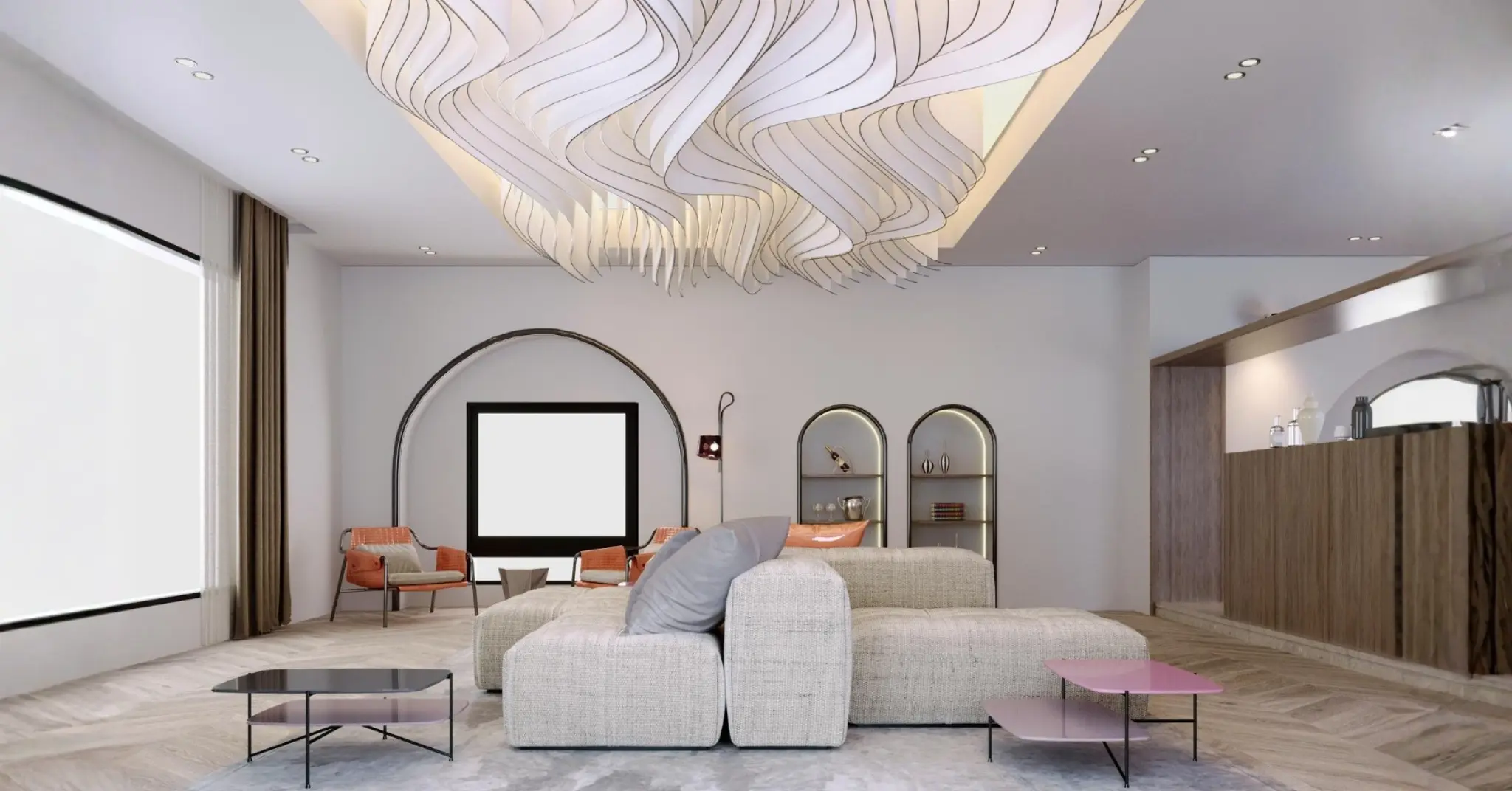
1. Living Room: The Heart of Natural Connection
The living room sets the tone for your entire home. To make it truly green:
a. Materials That Breathe
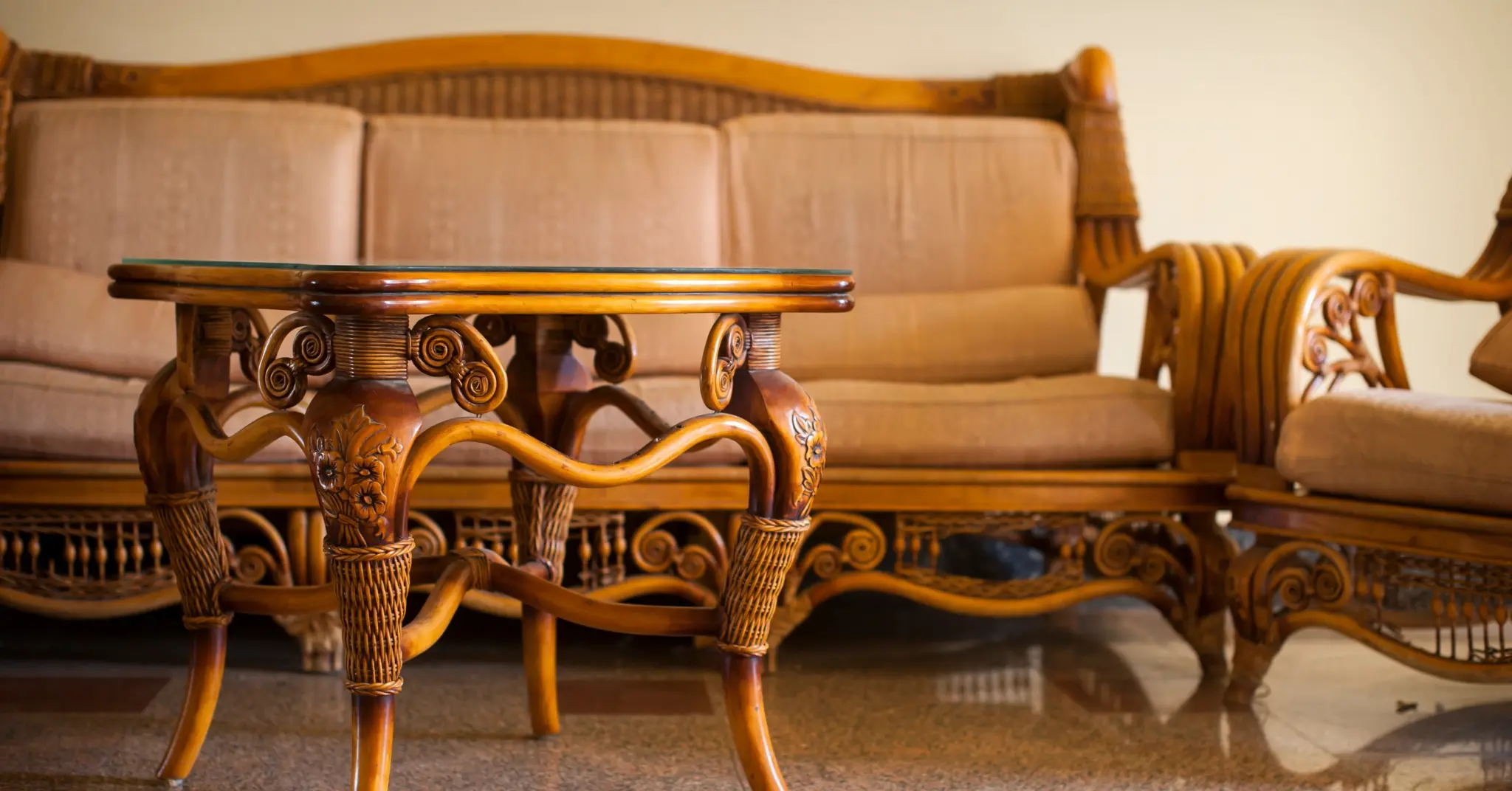
Choose furniture made from FSC-certified wood, bamboo, or rattan. Avoid synthetic laminates that off-gas harmful chemicals. Instead, use natural wax or oil finishes that allow wood to age gracefully.
b. Earth-Tone Palettes
Use soft, grounding colours — sage green, terracotta, beige, and stone grey — to echo outdoor textures.
c. Natural Light First
Position furniture to maximize sunlight. Use sheer cotton or linen drapes instead of heavy synthetics. Supplement with LED profile lighting — discussed in our “Light It Right” blog — to keep illumination soft and energy-efficient.
d. Indoor Plants
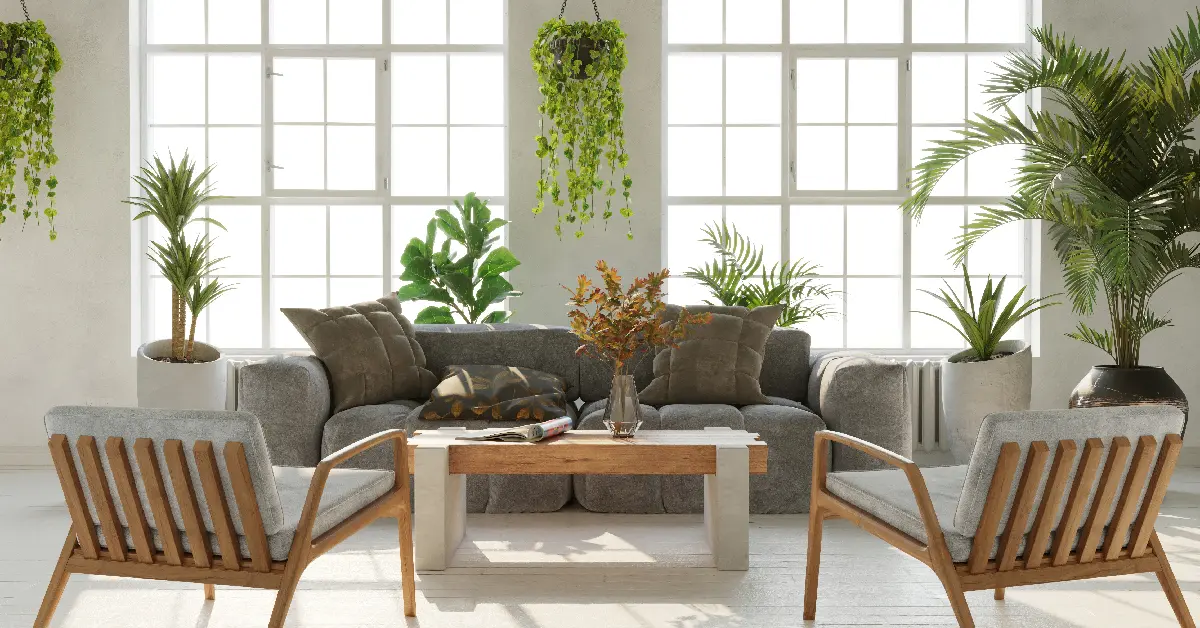
Go for low-maintenance greens like snake plant, areca palm, and pothos. They improve air quality and balance humidity, making your living room both fresh and functional.
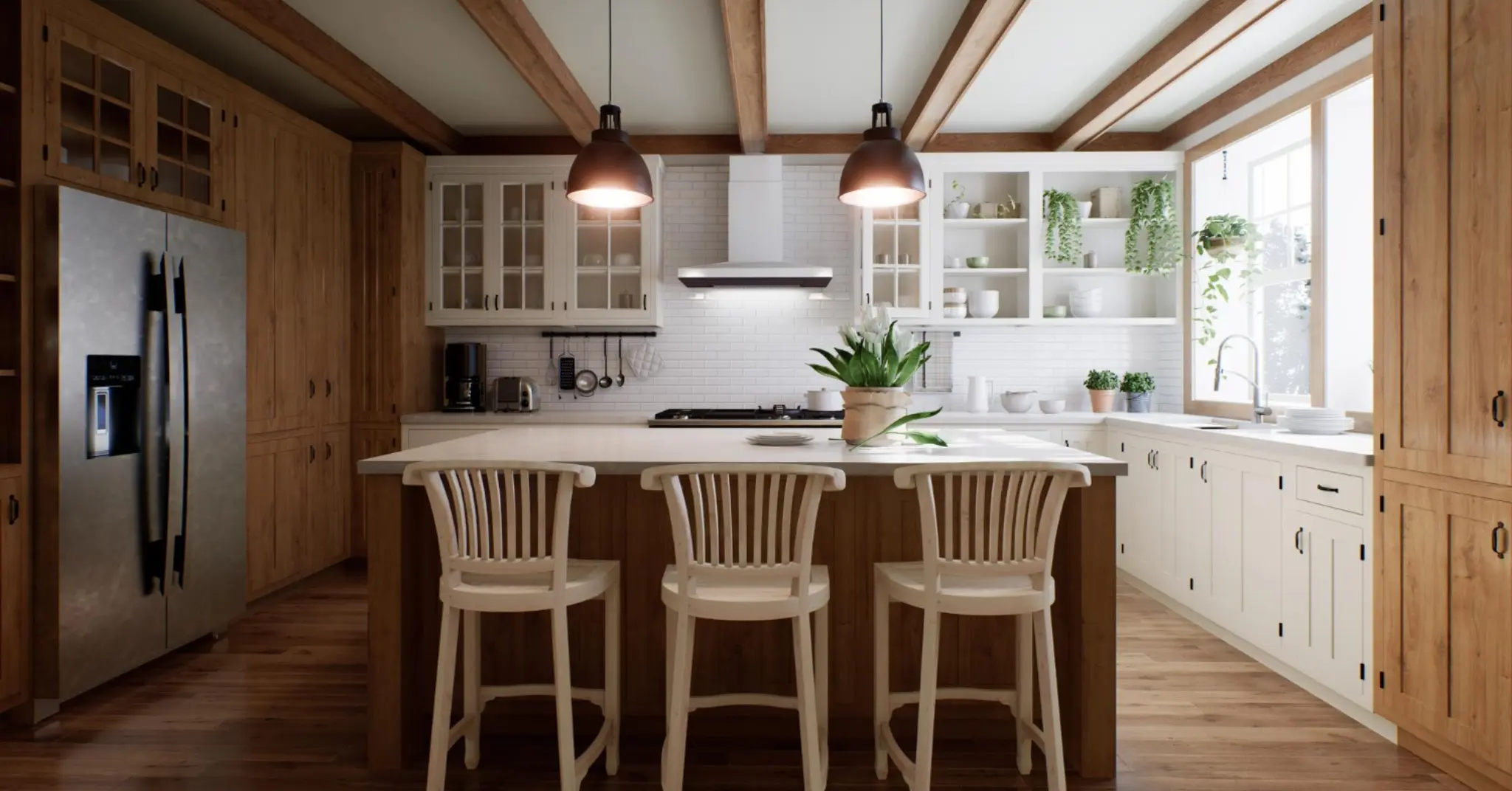
2. Kitchen: Sustainable Functionality Meets Warmth
A kitchen is the home’s engine — and a perfect place to adopt eco-friendly practices.
a. Material Choices
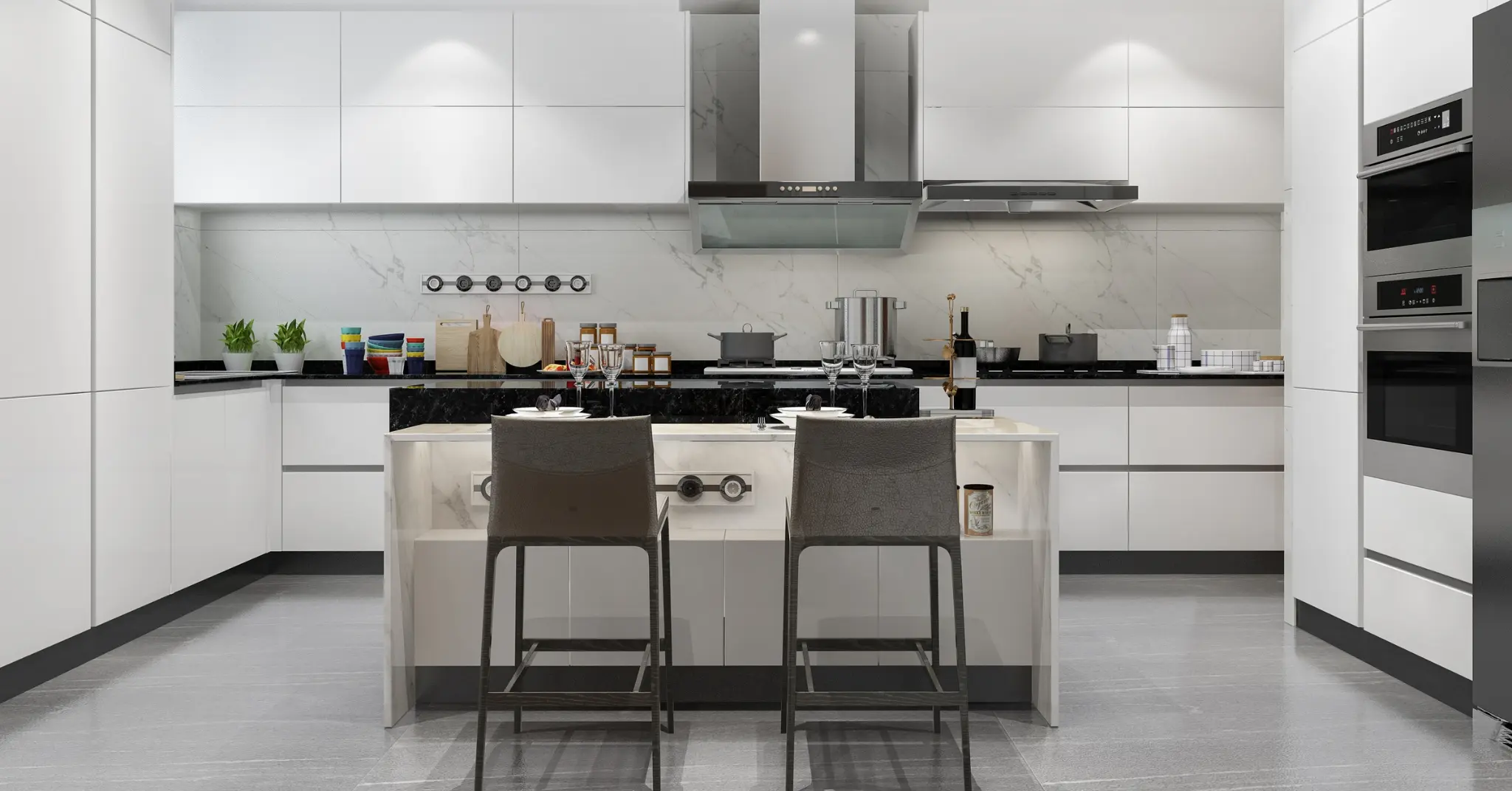
- Cabinetry: Opt for plywood or MDF with low formaldehyde emissions.
- Countertops: Use quartz, recycled glass, or natural stone instead of synthetic resins.
- Flooring: Choose bamboo or cork, which are renewable and durable.
b. Lighting and Ventilation
A well-lit, well-ventilated kitchen reduces energy waste. Incorporate windows above the sink, ventilation shafts, and task lighting under cabinets.
c. Water & Waste Management
Install aerator taps to reduce water usage by up to 50%. Include segregated bins for compostable and recyclable waste.
d. Design Tip
If you’re designing a rustic-style kitchen (like in our “Rustic Kitchen Design Ideas” blog), balance textured wood with clean countertops — it’s timeless and naturally sustainable.
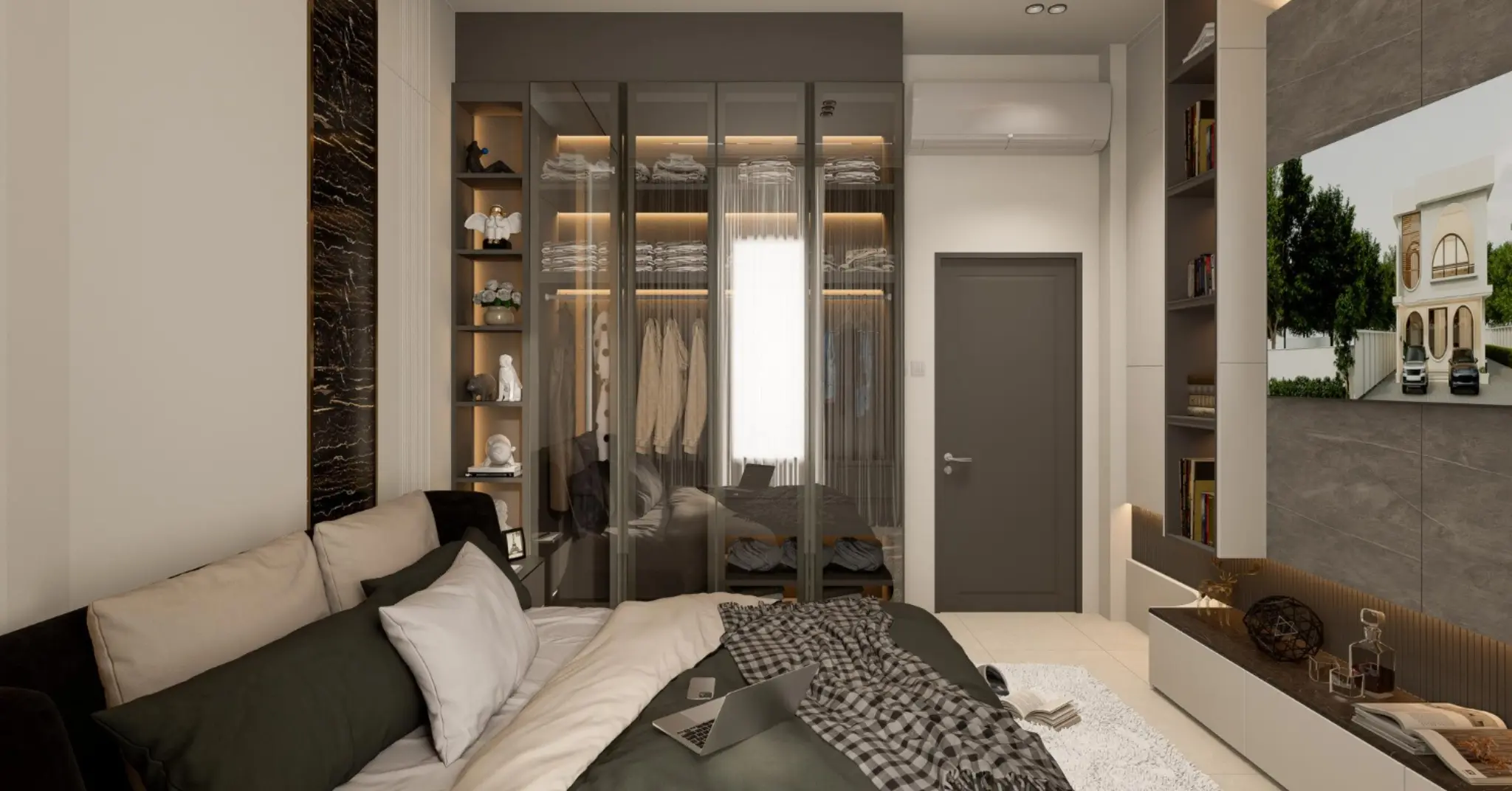
3. Bedroom: A Calm, Chemical-Free Retreat
Your bedroom should feel restorative — a space that invites rest and clarity.
a. Natural Textures
Choose organic cotton or linen bedding in neutral hues. Ditch plastic furnishings in favour of natural or recycled materials.
b. Paints and Finishes
Use low-VOC or natural lime paints. They’re breathable, moisture-regulating, and create a soothing matte texture.
c. Wooden Warmth
Teak or reclaimed oak furniture adds natural fragrance and longevity. As explored in our Teak Wood Furniture blog, the material’s high oil content makes it naturally termite-resistant and sustainable when sourced responsibly.
d. Lighting and Ambience
Use warm LED lighting (2700K–3000K) instead of harsh fluorescents. Add bedside plants like peace lilies or spider plants to purify the air while you sleep.
4. Bathroom: Water, Wellness, and Minimal Waste
Bathrooms can be surprisingly sustainable with thoughtful design.
a. Eco Materials
- Flooring: Go for ceramic, terrazzo, or reclaimed wood (sealed for moisture resistance).
- Accessories: Replace plastic with bamboo toothbrush holders, metal dispensers, and cotton towels.
b. Water Efficiency
Install low-flow showerheads and dual-flush toilets. The Bureau of Indian Standards (BIS) notes that such fixtures can save up to 40% of household water consumption.
c. Natural Ventilation
Ensure cross-ventilation or use solar-powered exhaust fans to reduce humidity without overusing electricity.
d. Design Tip
Add a living wall of ferns or pothos — it absorbs moisture and adds a spa-like atmosphere.
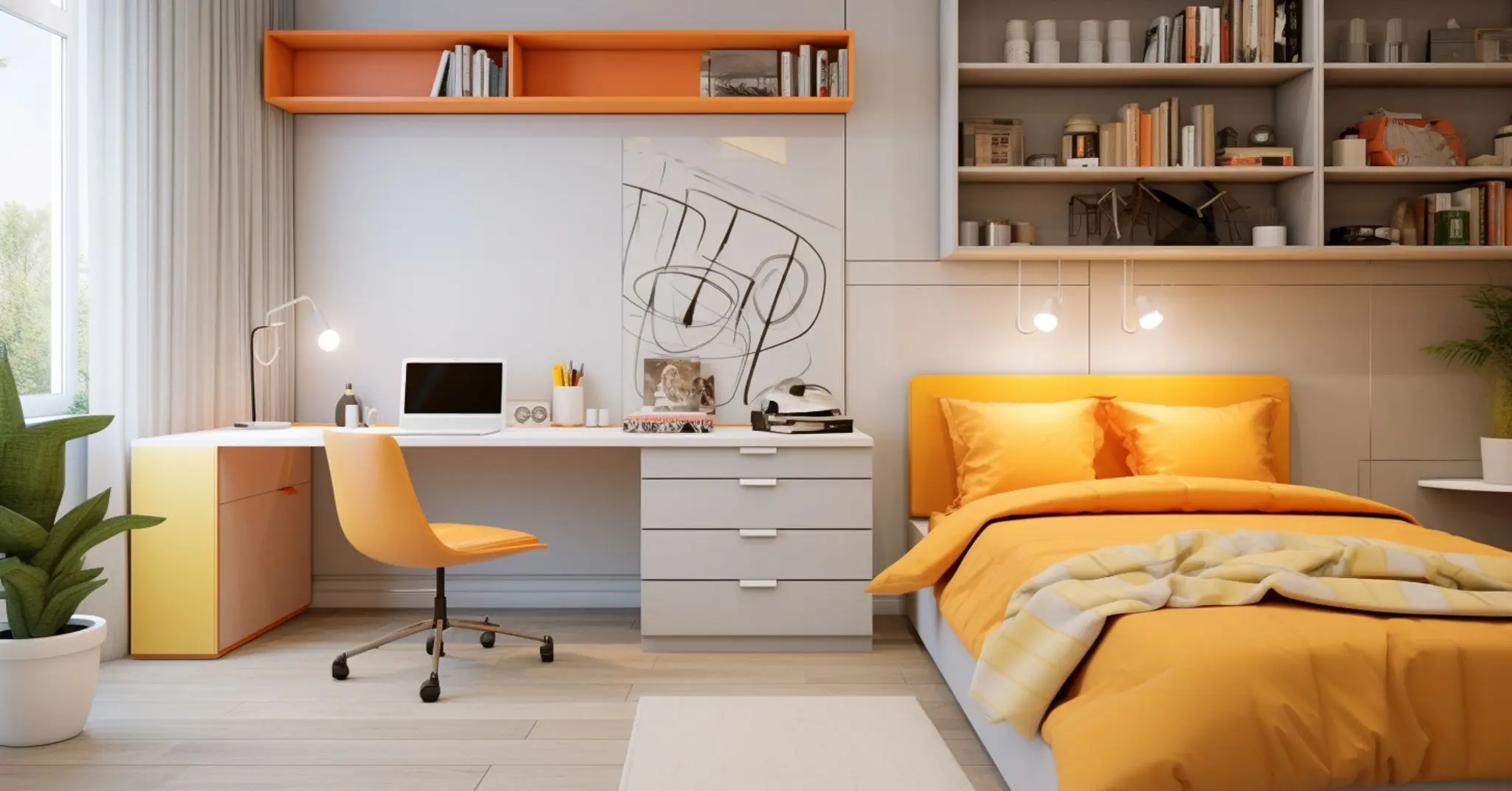
5. Work-From-Home Zone: Biophilic Productivity
Your workspace can influence mood and creativity. Biophilic design — integrating nature into interiors — can boost productivity by 15–20%, according to Human Spaces Global Report (2023).
a. Position by Light
Place your desk near a window or balcony. Natural daylight improves alertness and reduces eye strain.
b. Natural Materials
Use a solid wood desk, a rattan chair, or a cork pinboard. These textures connect your senses with the outdoors.
c. Green Corners
Create a mini terrarium or use a tall plant like ficus lyrata (fiddle leaf fig) to soften the visual space.
d. Noise Absorption
Use wool or jute rugs to muffle sound — a subtle sustainability win that enhances focus.
6. Balcony or Terrace: Your Private Urban Oasis
For Pune homeowners, balconies are prized for morning light and evening breeze. They’re also the easiest place to invite nature indoors.
a. Green Decking
Install recycled composite wood or natural teak planks. They resist weather while maintaining organic appeal.
b. Planter Variety
Mix herbs (basil, mint) with flowering plants and climbers. Hanging planters save space while adding vertical greenery.
c. Mood Lighting
Use solar lanterns or low-watt LED strips. These not only save power but make evenings magical.
d. Seating Ideas
Opt for wicker or bamboo chairs with washable cotton cushions. The look is timeless, earthy, and comfortable.
Sustainable Design: More Than Aesthetic
Green interiors aren’t just eco-friendly; they’re emotionally restorative. Studies from The Journal of Environmental Psychology show that exposure to natural elements indoors can reduce stress by up to 30% and improve cognitive function.
When every room contributes to a sustainable lifestyle, your home becomes an ecosystem of well-being — balanced, calm, and naturally beautiful.
Bringing It All Together
Designing green interiors doesn’t mean starting over; it’s about re-thinking what you already have.
- Refinish, don’t replace, old wooden furniture.
- Swap synthetic rugs for jute or cotton.
- Use plants as natural partitions instead of walls.
- Choose local materials to reduce transportation emissions.
At Studio Mavi, we believe in thoughtful modern design that honours the environment as much as aesthetics. Each project — whether a cozy apartment or a spacious villa — is a chance to create interiors that feel alive.
Final Thought
Green interior design isn’t a style; it’s a statement. It’s the belief that good design doesn’t just look beautiful — it lives beautifully.
When your home breathes with nature, every moment feels calmer, fresher, and more meaningful. So open those windows, let in the sunlight, and fill your home with textures that tell the story of earth, air, and light.
Because the most elegant interiors are not just seen — they are felt.