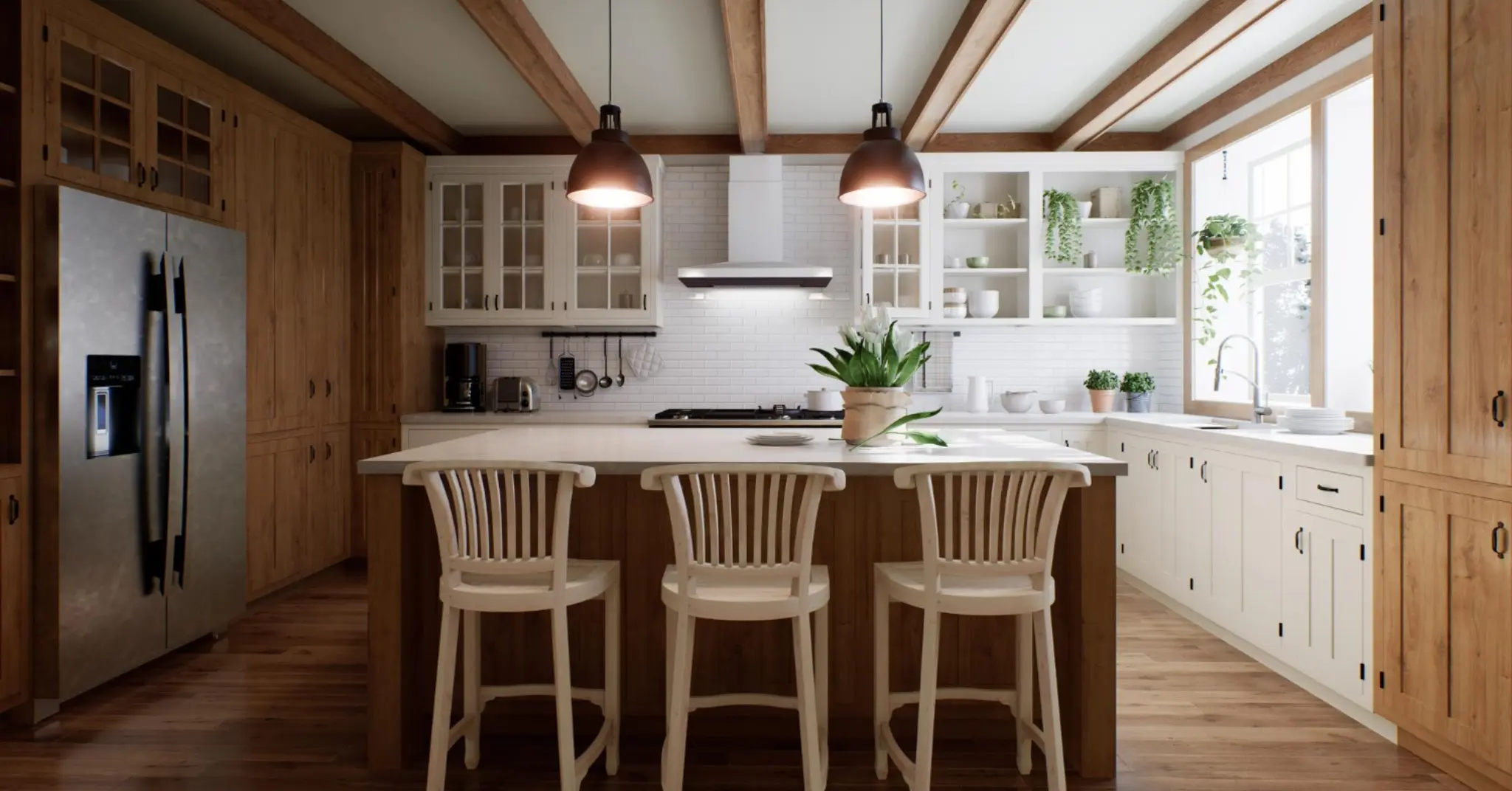
A kitchen sink quietly handles some of the busiest moments in a home—washing vegetables, rinsing cookware, cleaning up after meals, and everything in between. Because it plays such an essential role, choosing the right Kitchen Sink Materials is not just a design decision; it’s about durability, maintenance, and how well the sink supports your daily routine.
From classic stainless steel to textured granite composites and statement materials like copper, each sink material offers distinct advantages. Understanding how these materials perform in real kitchens can help you select one that balances practicality with the aesthetic direction of your kitchen.
At Studio Mavi, selecting the right sink material is often one of the most important details in creating a kitchen that works beautifully every day.
Stainless Steel: Durable and Universally Compatible
Among all Kitchen Sink Materials, stainless steel remains one of the most widely used. Its reputation comes from its durability, affordability, and compatibility with nearly every kitchen design style.
Stainless steel sinks are made from alloys containing chromium and nickel, which provide resistance to rust, stains, and corrosion. Their reflective surface also helps brighten the kitchen by bouncing light across countertops and backsplashes.
In everyday use, stainless steel performs exceptionally well. It handles heat without damage, resists most household chemicals, and tolerates heavy cookware. While scratches may appear over time, they typically blend into the brushed surface and rarely affect functionality.
Another advantage is weight. Stainless steel sinks are lighter than many other materials, making installation easier and compatible with most cabinetry structures.
These sinks work well in contemporary, minimalist, and industrial kitchens, but their neutral finish also pairs effortlessly with stone countertops or wooden cabinetry.
Still deciding? Let’s design something beautiful together.
Granite Composite: Strength with Natural Texture
Granite composite sinks are gaining popularity among homeowners looking for durability with a more natural aesthetic. These sinks are made by combining crushed granite stone with resin binders, creating a dense and extremely tough surface.
The result is a sink that feels solid and substantial while offering excellent resistance to scratches, chips, and heat. Granite composite sinks can withstand temperatures far higher than many synthetic materials, making them suitable for kitchens where heavy cooking is common.
Another benefit is sound absorption. Unlike metal sinks, granite composite materials naturally dampen noise when dishes or water hit the surface, creating a quieter kitchen environment.
Color options also make this material attractive. Instead of metallic finishes, granite composite sinks come in earthy shades such as charcoal, graphite, sand, and stone grey. These colors integrate beautifully with modern kitchens that emphasize natural textures and muted palettes.
Cast Iron with Enamel: Classic and Highly Durable
For homeowners who prefer traditional kitchen aesthetics, cast iron sinks with enamel coatings offer both longevity and visual appeal.
These sinks are formed from heavy cast iron and finished with a thick layer of porcelain enamel. The enamel surface provides a glossy, smooth finish that is resistant to stains and easy to clean.
One of the key advantages of cast iron sinks is durability. The underlying iron structure makes the sink extremely sturdy and capable of lasting decades with proper care. However, the weight of the material means cabinets must be strong enough to support it during installation.
While the enamel surface is highly resilient, it can chip if struck by heavy metal cookware. Proper handling and protective sink grids can help maintain the finish.
Cast iron sinks are particularly popular in farmhouse kitchens and classic interiors where their glossy white finish complements traditional cabinetry and vintage-style fixtures.
Fireclay: Refined Appearance with Excellent Hygiene
Fireclay sinks are another ceramic-based option known for their durability and timeless look. They are manufactured by molding clay into shape and firing it at extremely high temperatures, which creates a dense, non-porous surface.
Because of this process, fireclay sinks resist stains, scratches, and acidic foods exceptionally well. Their non-porous finish also prevents bacteria from easily penetrating the surface, making them hygienic and easy to clean.
Visually, fireclay sinks often resemble traditional ceramic sinks with smooth curves and glossy finishes. They are most commonly available in white or off-white shades, contributing to their clean and elegant appearance.
Although durable, fireclay can crack if subjected to sudden heavy impact. Proper care during daily use ensures these sinks remain in excellent condition for years.
They are frequently chosen for farmhouse-style kitchens, transitional interiors, and spaces that prioritize a classic, timeless aesthetic.
Copper: Distinctive Character and Natural Protection
Copper sinks stand apart from other Kitchen Sink Materials due to their unique visual character and natural antimicrobial properties.
Fresh copper sinks display a warm metallic glow ranging from reddish bronze to deep amber tones. Over time, exposure to air and water gradually forms a patina—a darker surface layer that gives the sink an aged, textured appearance.
Many homeowners appreciate this evolving look, as it gives the sink a sense of individuality and history. However, those who prefer a consistent finish may need periodic polishing.
Copper also has a practical advantage: it naturally inhibits bacterial growth, which contributes to kitchen hygiene. The material is durable but softer than steel or stone, meaning scratches may occur more easily.
Copper sinks are often selected for rustic, Mediterranean, or eclectic kitchens where warmth and character are central to the design.
Quartz and Solid Surface Sinks: Seamless and Modern
Quartz and solid surface sinks represent a newer generation of engineered Kitchen Sink Materials designed for modern kitchens.
These sinks are typically made from mineral particles combined with resins and pigments. The result is a smooth, non-porous material that can be molded into integrated designs with countertops.
One of the biggest advantages is visual continuity. When the sink and countertop are fabricated from the same material, the result is a seamless surface without visible joints. This design approach is particularly popular in minimalist kitchens.
These materials resist stains and are easy to maintain, though they may be slightly less heat-resistant than metal or stone-based sinks. Minor scratches can usually be polished out, extending the sink’s lifespan.
Their wide range of colors and finishes also allows homeowners to match sinks precisely with countertop materials and kitchen themes.
Wood Sinks: A Rare but Striking Natural Choice
Wood sinks are among the most unusual options in the world of Kitchen Sink Materials. Crafted from hardwoods such as teak or iroko, these sinks bring a strong sense of natural warmth into the kitchen.
The visible wood grain adds texture and organic beauty that cannot be replicated by synthetic materials. Over time, the wood may deepen in color, enhancing its natural character.
However, wood requires consistent maintenance. Regular sealing and careful cleaning are necessary to protect the surface from moisture damage and staining.
Because of this upkeep, wooden sinks are typically chosen for specialty kitchens, eco-inspired interiors, or spaces where natural materials are the dominant design theme.
Choosing the Right Material for Your Kitchen
Selecting from different Kitchen Sink Materials ultimately depends on how the kitchen is used.
Busy households that cook frequently often benefit from stainless steel or granite composite sinks due to their durability and ease of maintenance. Kitchens designed with traditional aesthetics may lean toward fireclay or cast iron enamel sinks. Meanwhile, homeowners seeking a strong visual statement may explore copper or even wood.
Understanding both performance and maintenance requirements helps ensure the sink remains functional and attractive for years.
Final Thoughts
A sink may seem like a small detail in kitchen design, but it influences everyday efficiency, maintenance, and visual balance within the space. The right Kitchen Sink Materials can elevate both the practicality and personality of the kitchen.
Whether the goal is durability, seamless minimalism, or distinctive character, choosing the appropriate sink material ensures that the kitchen remains both functional and visually cohesive.
At Studio Mavi, thoughtful material selection is always part of creating kitchens that combine smart design with everyday usability.
FAQs
1. Which kitchen sink material is the most durable?
Granite composite and stainless steel are among the most durable kitchen sink materials. They resist scratches, heat, and daily wear, making them ideal for busy kitchens.
2. What is the easiest kitchen sink material to maintain?
Stainless steel and quartz composite sinks are generally the easiest to maintain. They are non-porous, resist stains, and can be cleaned easily with mild soap and water.
3. Are fireclay sinks better than stainless steel sinks?
Fireclay sinks offer a classic look and excellent stain resistance, while stainless steel sinks are lighter, more impact-resistant, and usually more affordable. The choice depends on style preference and usage needs.
4. Do copper kitchen sinks require special care?
Yes, copper sinks benefit from regular gentle cleaning and occasional waxing to maintain their finish. Over time, they develop a natural patina that many homeowners find attractive.
5. Which kitchen sink material works best for modern kitchens?
Quartz composite, solid surface, and stainless steel sinks are popular choices for modern kitchens because they offer clean lines, durability, and a sleek appearance.