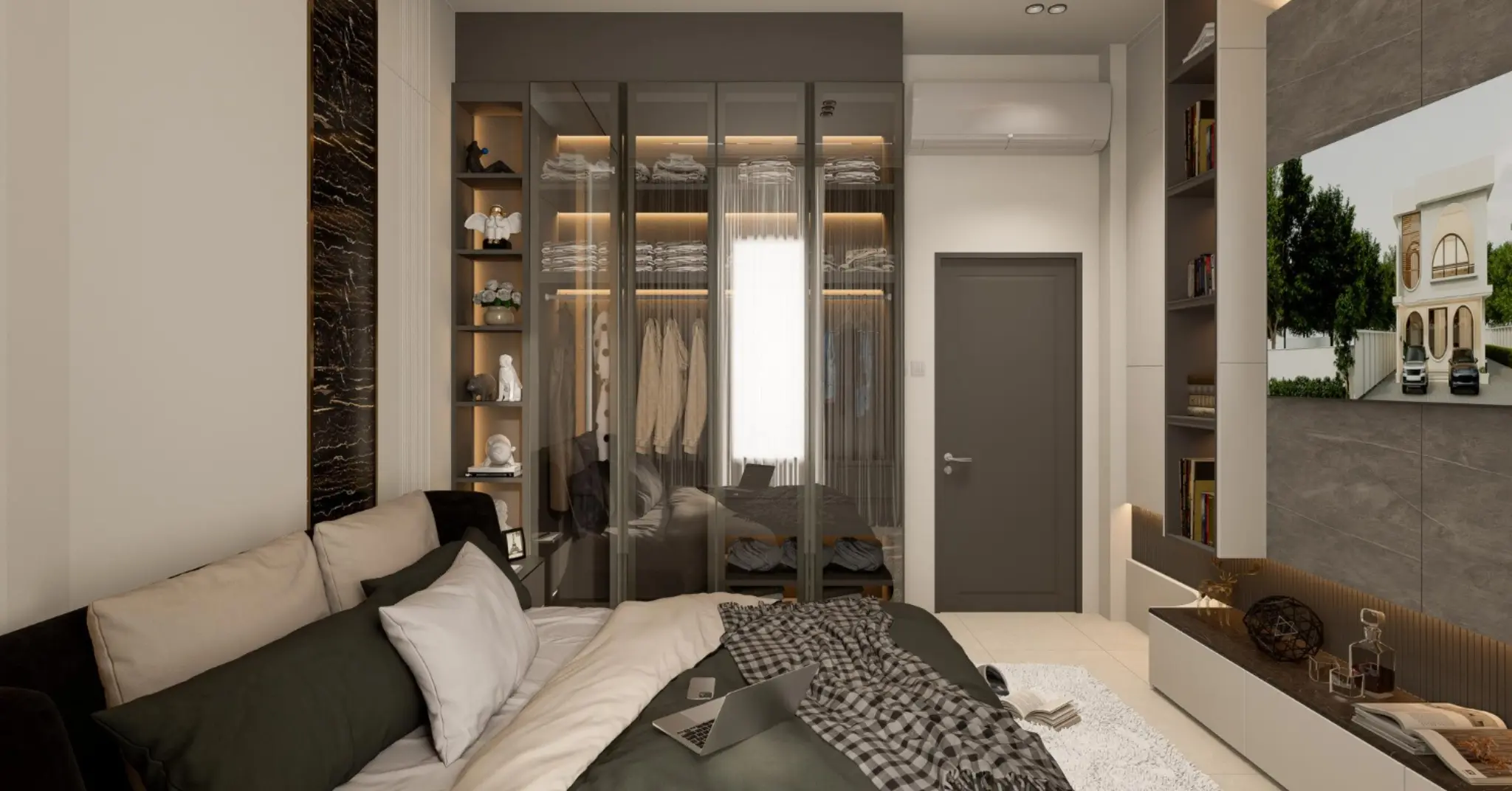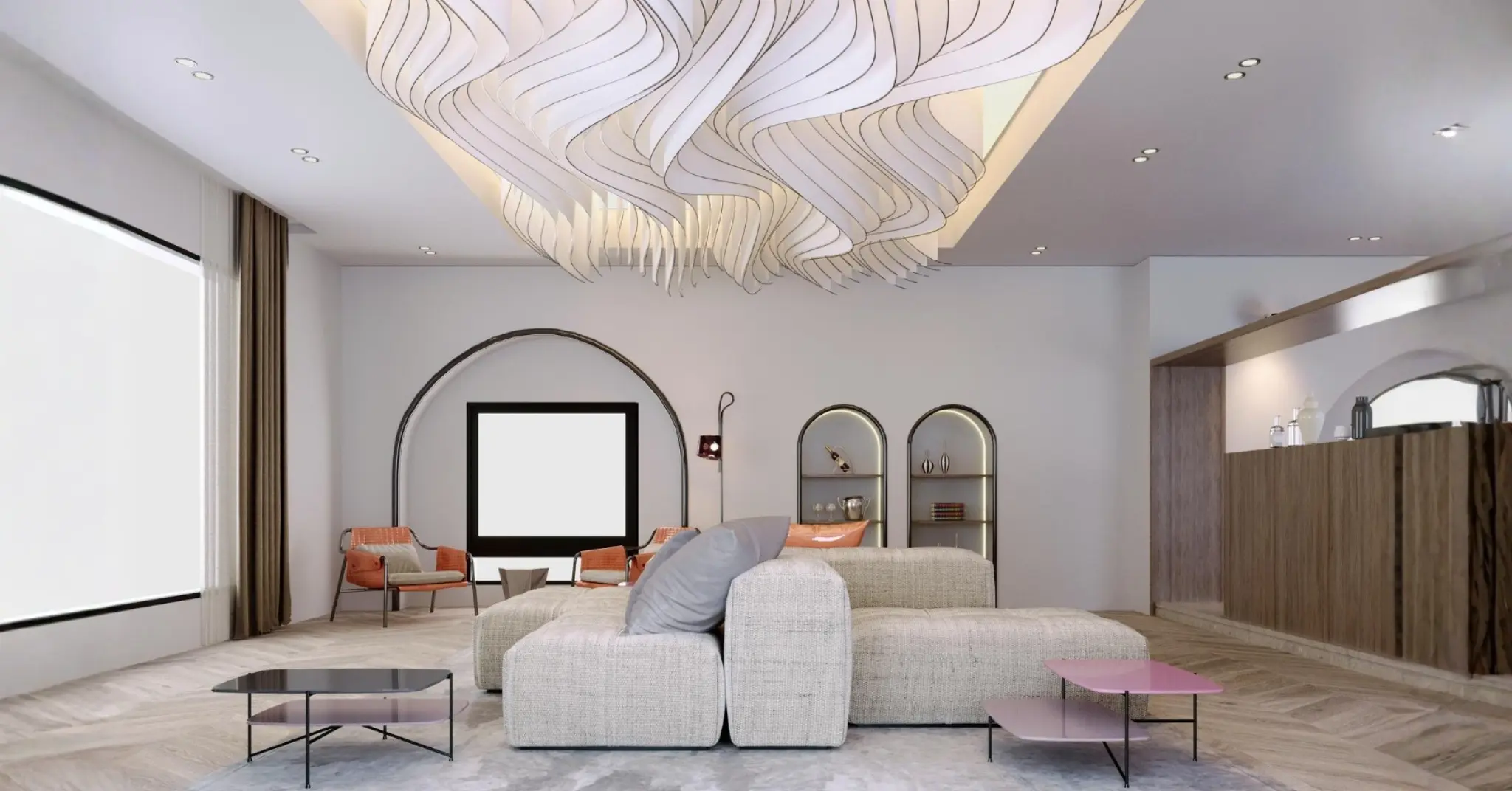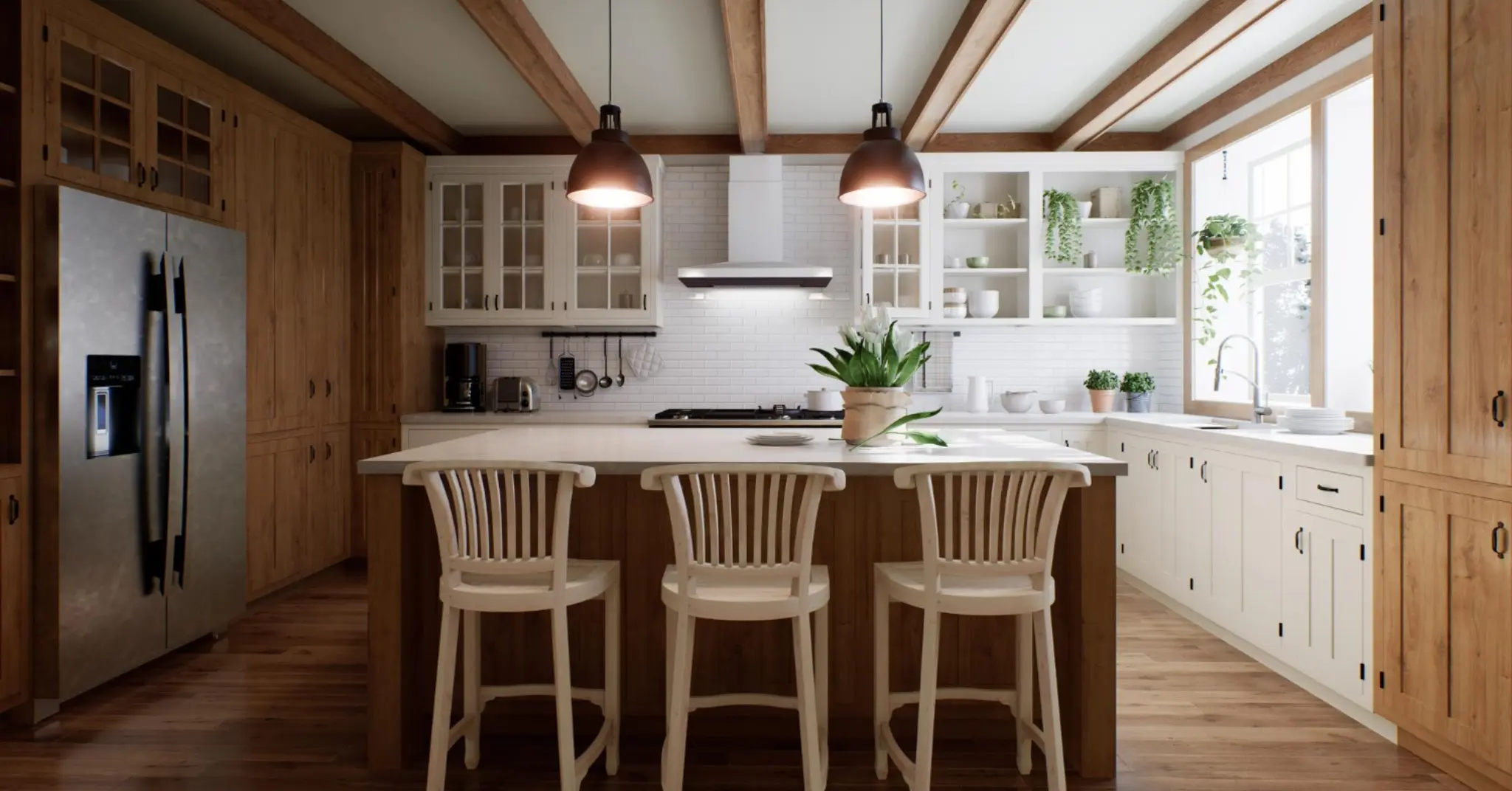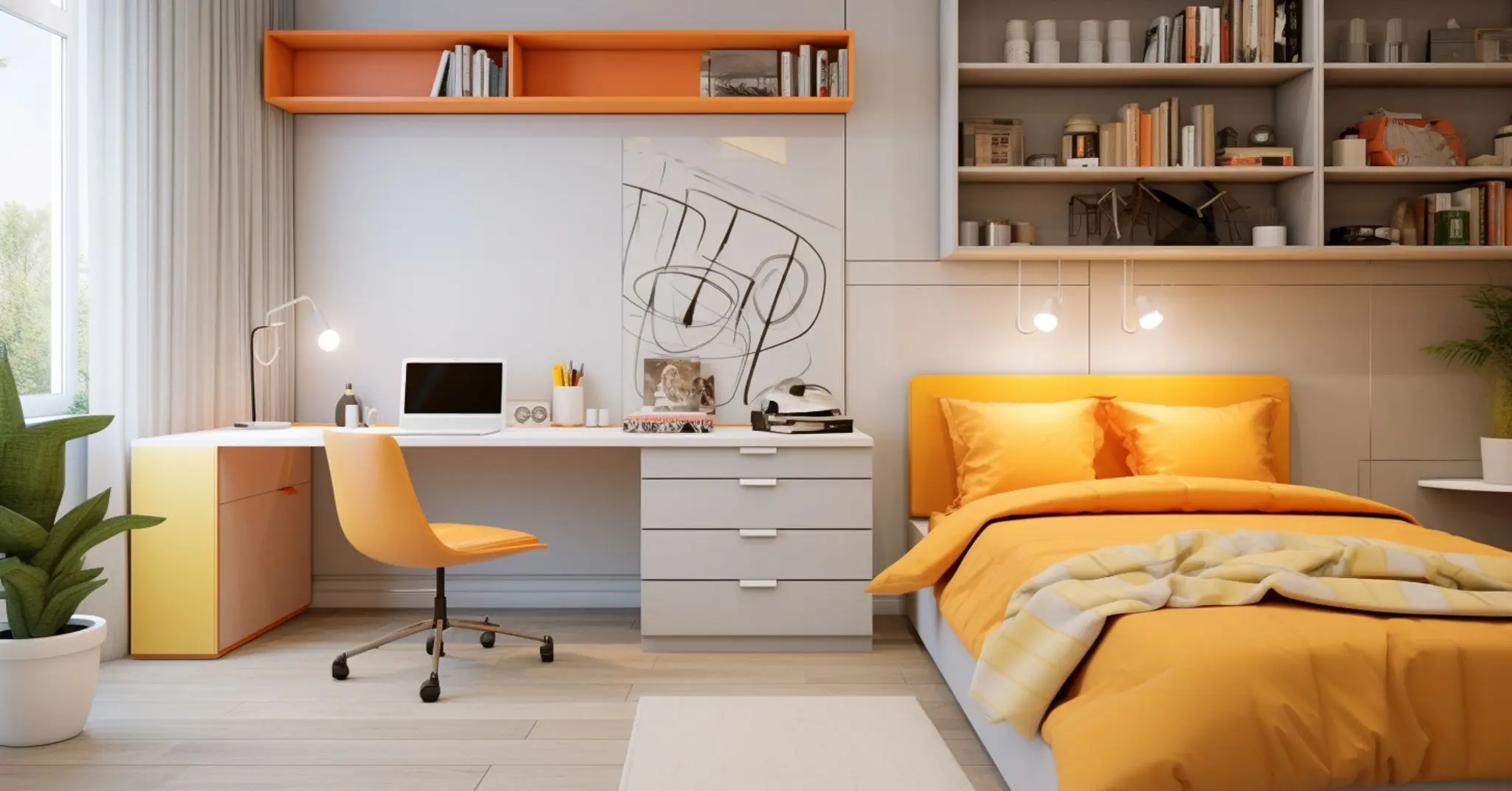
Geometry has always been at the heart of design — from the precise proportions of Greek temples to the bold patterns of Art Deco. In interiors, geometric forms offer structure, rhythm, and visual excitement. Whether it’s a striking patterned rug, a hexagonal tile backsplash, or angular furniture, geometric design brings order and playfulness together.
At Studio Mavi, we believe that when used thoughtfully, geometric interior design can transform spaces into bold yet harmonious statements. Here’s our expert-approved quick guide to incorporating geometric shapes and patterns into your home décor.
1. Why Geometry Works in Interiors
Geometry resonates because it reflects the order of nature — honeycombs, leaves, snowflakes, and shells all follow geometric rules. When applied indoors, geometry provides:
- Balance and rhythm: Repeating patterns guide the eye and create flow.
- Visual interest: Sharp lines and curves add dynamism.
- Functionality: Geometric layouts optimize space and highlight zones.
2. Geometric Walls: From Bold Murals to Subtle Accents
Walls are the perfect backdrop for geometry.
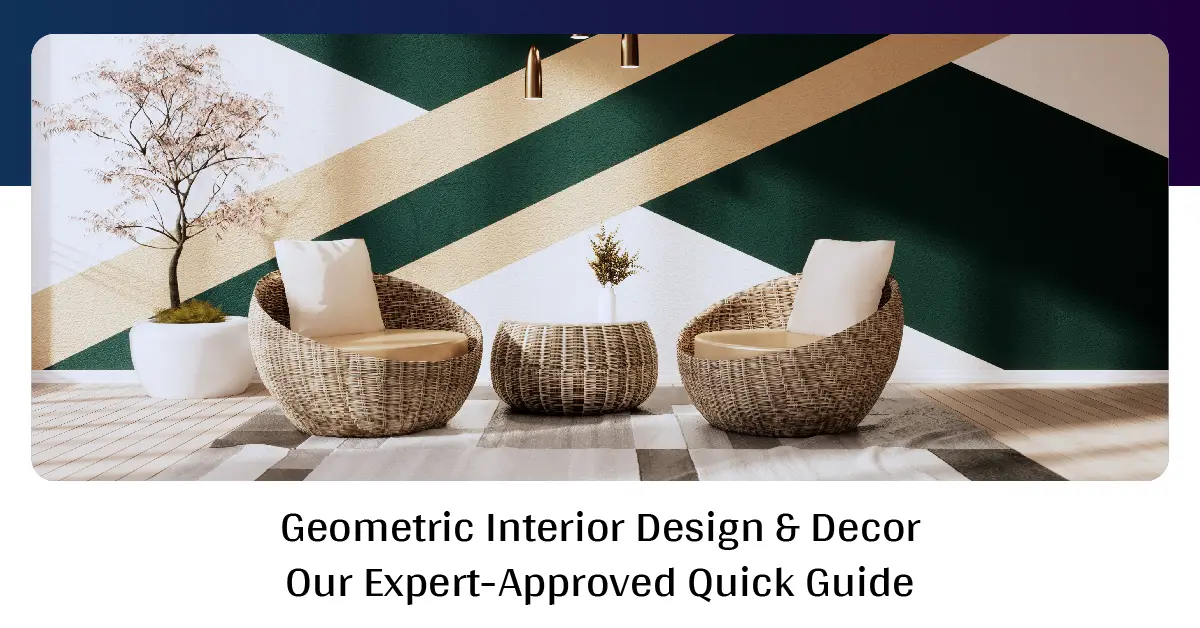
- Painted Murals: Triangular or chevron designs in contrasting tones create energy in living rooms.
- Wallpaper: Hexagonal or tessellated patterns can add drama without needing structural changes.
- Wall Panels: 3D geometric wall cladding brings depth and texture, especially in bedrooms or offices.
Design tip: Use large-scale patterns for expansive walls and smaller motifs for compact spaces to avoid overwhelming the room. Pair bold walls with neutral furniture to maintain harmony.
3. Flooring with Patterns: Grounding the Space
Flooring sets the tone for an entire room, and geometric motifs are becoming increasingly popular.
- Tiles: Moroccan-inspired patterns, herringbone wood floors, or hexagonal stone tiles offer timeless appeal.
- Rugs: A bold geometric rug under a coffee table anchors the seating zone while adding texture.
- Mix-and-Match: Using two tile types (like marble and wood) in chevron layouts introduces playful contrast.
Design theory example: The principle of proportion — smaller geometric motifs work well in narrow corridors, while larger patterns suit open living spaces.
4. Furniture That Doubles as Art
Furniture is a practical yet powerful medium for introducing geometry.
- Tables: Circular tops with angular legs create balance between curves and lines.
- Shelves: Honeycomb shelving units double as décor and storage.
- Accent Chairs: Pieces with triangular backs or bold angular frames bring character.
Why it works: Furniture with geometric influence adds sculptural quality, turning everyday objects into artistic statements.
5. Ceilings and Lighting: Looking Up for Inspiration
Ceilings are an often-forgotten canvas. Geometric lighting fixtures — think starburst chandeliers, polygonal pendants, or cluster globes — draw eyes upward and add drama.
False ceilings can also integrate geometric patterns with layered gypsum or wood. Adding concealed lighting enhances depth and emphasizes angular forms.
Quick idea: A coffered ceiling with square recesses illuminated by warm LEDs adds rhythm and ambiance to a living or dining room.
6. Textiles and Soft Furnishings: Easy and Impactful
For those not ready for a full-scale revamp, textiles are an effortless entry into geometric design.
- Cushions and Throws: Bold prints in contrasting colours inject instant vibrancy.
- Curtains: Chevron or striped drapes elongate windows visually.
- Bedding: Symmetrical patterns create a sense of calm in bedrooms.
Pro tip: Stick to a consistent palette. For example, black-and-white geometrics with gold accents feel chic, while soft pastels in triangular prints lend playfulness to children’s rooms.
7. Bathrooms and Kitchens: Practical Geometry
Hard surfaces like tiles and backsplashes are perfect for geometric experimentation.
- Bathrooms: Hexagonal mosaic tiles for shower walls or floors add both grip and elegance.
- Kitchens: A chevron backsplash or geometric cabinet handles introduce subtle character.
- Countertops: Quartz with geometric veining patterns balances luxury with structure.
Stat fact: According to the National Kitchen & Bath Association, geometric tiles were among the top 3 most specified backsplash materials in 2023–24.
8. The Psychology of Shapes: Choosing What Fits
Shapes influence mood and perception. Here’s how to pick the right ones:
- Squares and Rectangles: Stability, order, and structure — great for offices and kitchens.
- Circles and Curves: Fluidity, softness, and unity — ideal for living and dining spaces.
- Triangles: Energy and direction — perfect for accent décor or feature walls.
Design theory link: The Gestalt principle of continuity explains why repeated geometric motifs naturally lead the eye, creating flow and reducing visual clutter.
9. Mixing Geometry with Other Styles
Geometry pairs beautifully with multiple design approaches:
- Minimalist: Black-and-white grids or hexagonal accents against clean lines.
- Rustic: Chevron wood floors or woven geometric rugs add warmth.
- Moroccan: Vibrant tessellated tiles create intricate, exotic focal points.
- Modern Luxe: Metallic geometric lighting fixtures paired with marble finishes.
Tip: To avoid clashes, limit your palette to 2–3 colours and stick with either sharp angular forms or softer rounded motifs.
10. Bringing It All Together: Balance Is Key
The most successful geometric interiors are those that balance boldness with subtlety. Too many competing patterns can overwhelm, while too few may feel flat. The goal is to create rhythm, guide movement, and highlight focal areas.
A simple rule of thumb: pick one primary geometric element (like a tiled floor), one secondary accent (like cushions or wall art), and keep the rest neutral.
Final Thoughts
Geometric interior design isn’t just a fleeting trend — it’s a timeless approach rooted in the natural world and human psychology. From walls and floors to furniture and textiles, geometric patterns bring balance, energy, and personality to your spaces.
At Studio Mavi, our design team uses geometry not only as a decorative element but as a tool to craft meaningful, functional interiors tailored to each client’s lifestyle. Whether you’re planning a subtle refresh or a bold redesign, geometric décor can be your perfect starting point.