In the world of interior design, trends may come and go, but heritage-inspired spaces remain timeless. These interiors celebrate the craftsmanship, materials, and cultural legacies that have defined design for centuries — all while embracing the comfort and sophistication of modern living.
In Pune and across India, homeowners are rediscovering this balance: a home that feels rooted in tradition yet flows with contemporary aesthetics. Whether it’s the arched doorway of a colonial bungalow, the teak warmth of Maharashtrian homes, or the hand-carved jaalis of Rajasthani palaces, heritage interior design tells a story that never grows old.
Understanding Heritage Design: Where History Meets Modern Craft
Heritage interiors aren’t about recreating a museum. They are about curating nostalgia through texture, form, and material. This design style borrows architectural vocabulary from historical periods — Victorian, Art Deco, Indo-Saracenic, Mughal, or even the vernacular simplicity of South Indian homes — and reinterprets it for contemporary life.
Designers often begin with architectural bones: arches, cornices, ceiling medallions, and wooden beams. These are then layered with materials like brass, marble, teak, and handmade textiles to create a sense of lived-in elegance.
At Studio Mavi, the idea is not to copy heritage, but to reinterpret it with sensitivity — merging the old with the new to craft interiors that age gracefully.
1. Colonial Charm: The Poise of Wood and White
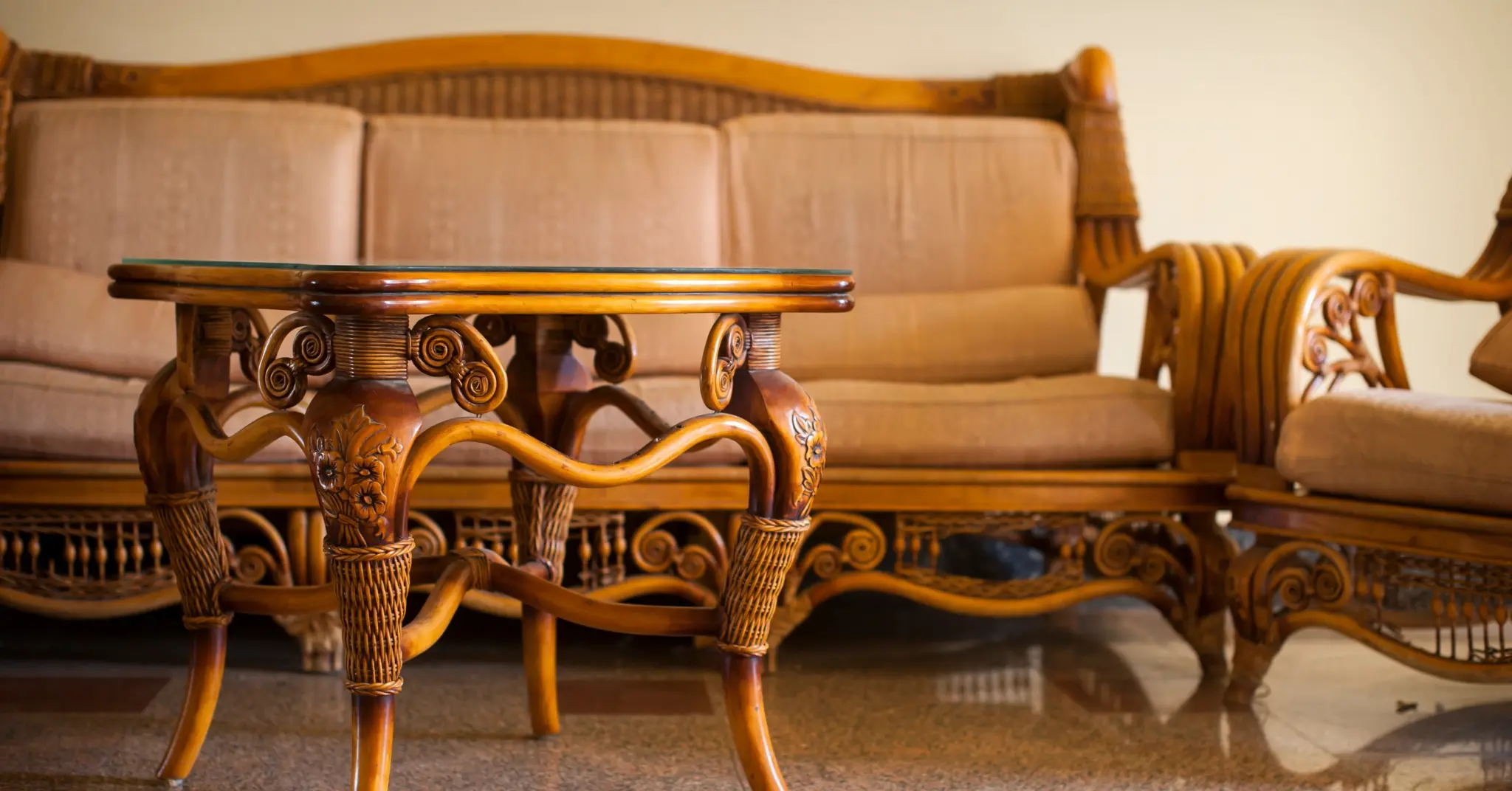
Colonial-era homes combined tropical practicality with European refinement. Think whitewashed walls, high ceilings, and rich mahogany furniture.
To bring this look into modern apartments:
- Choose teak or walnut furniture with slender legs and carved detailing.
- Add rattan or cane backrests for an airy texture.
- Use muted palettes — off-whites, sand, and indigo — paired with patterned floor tiles.
Lighting Tip: Pendant lights with aged brass finishes echo the chandeliers of old bungalows without overwhelming small spaces.
2. Indo-Islamic Grandeur: Arches, Jaalis, and Intricacy
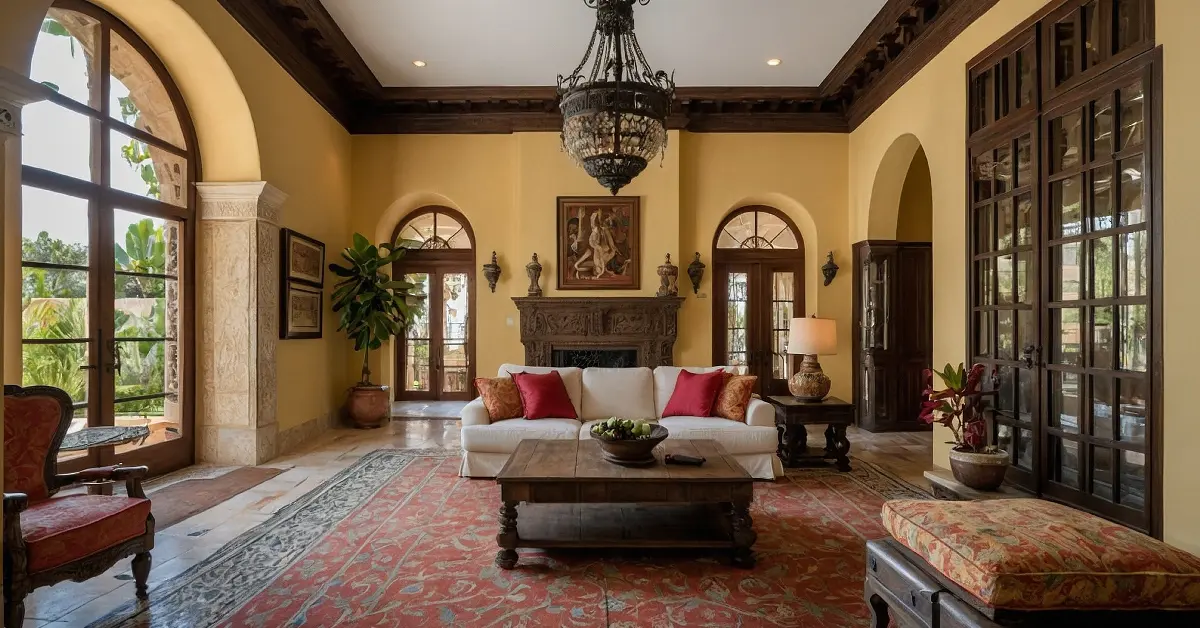
From Mughal palaces to Deccan mansions, Indo-Islamic design is known for its symmetry, ornate geometry, and light play.
To achieve this at home:
- Incorporate arched doorways or niches with carved latticework (jaali).
- Use inlay work in marble or terrazzo flooring to form subtle patterns.
- Pair jewel tones — emerald, ruby, and sapphire — with neutral sandstone or ivory.
Material Insight: Many homeowners in Pune now opt for CNC-cut MDF jaalis or laser-etched metal panels as modern interpretations of hand-carved motifs — a nod to tradition through technology.
3. Rajasthani Regal: Color and Craftsmanship
Few styles match the opulence of Rajasthan’s palatial interiors. They are a riot of colors, frescoes, and textures that celebrate life and craftsmanship.
Bring a taste of that regal charm home:
- Feature hand-painted walls or murals inspired by Pichwai art.
- Use mirror work, brass lanterns, and jharokha frames as decorative elements.
- Layer silk cushions, kilim rugs, and embroidered throws to add depth and comfort.
Design Note: For smaller spaces, use accents like a single ornate headboard or patterned alcove rather than an entire mural to maintain visual balance.
4. South Indian Serenity: Temple Elegance and Earthy Tones
South Indian homes offer a masterclass in grounding design. Courtyards, red oxide floors, and teak pillars combine to create spaces that feel serene and connected to nature.
To adapt this in urban homes:
- Use terracotta tiles, brass urulis, and wooden beams for authenticity.
- Incorporate low seating and woven mats to bring comfort and humility.
- Stick to a natural color palette — ochre, coconut brown, and leafy green.
This approach echoes the ideas from our earlier Studio Mavi blog on green interior design, where natural materials and light define the emotional warmth of a home.
5. Art Deco Revival: Glamour with Geometry
Originating in the 1920s, Art Deco blended luxury with geometry — and its Indian avatars found homes in Mumbai and Pune alike.
Modern reinterpretations highlight streamlined shapes, metallics, and symmetry:
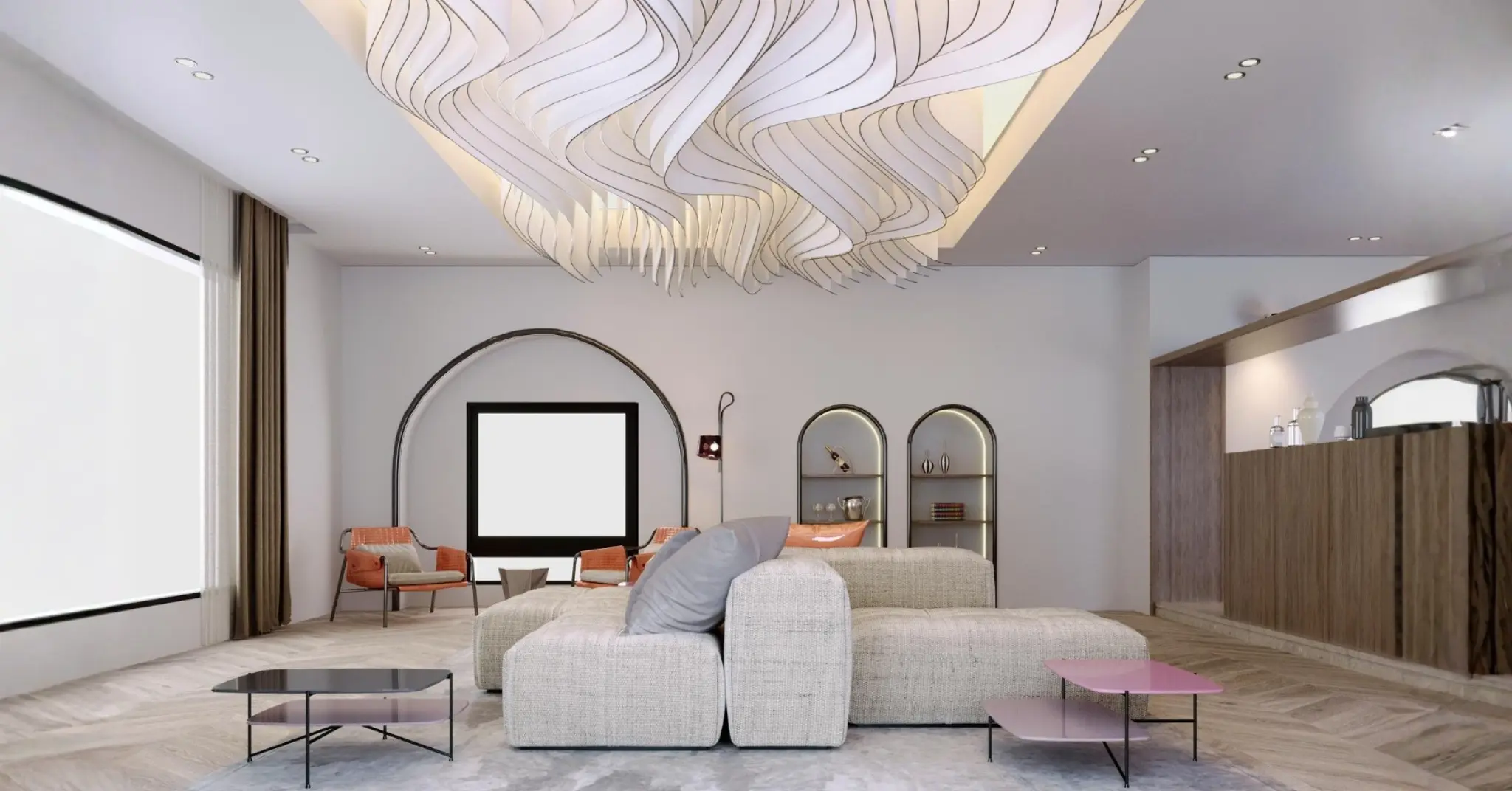
- Introduce fluted wall panels, semi-circular mirrors, and bold floor patterns.
- Combine black, ivory, and brass with pops of emerald or burgundy.
- Use patterned terrazzo or chevron wood flooring for subtle dynamism.
Art Deco interiors balance nostalgia with urban sophistication — a perfect fit for homeowners who love vintage flair but demand modern comfort.
6. Maharashtrian Heritage: The Heart of Home
From the courtyards of Pune’s wadas to the columns of Kolhapur’s mansions, Maharashtrian design celebrates restraint and balance.
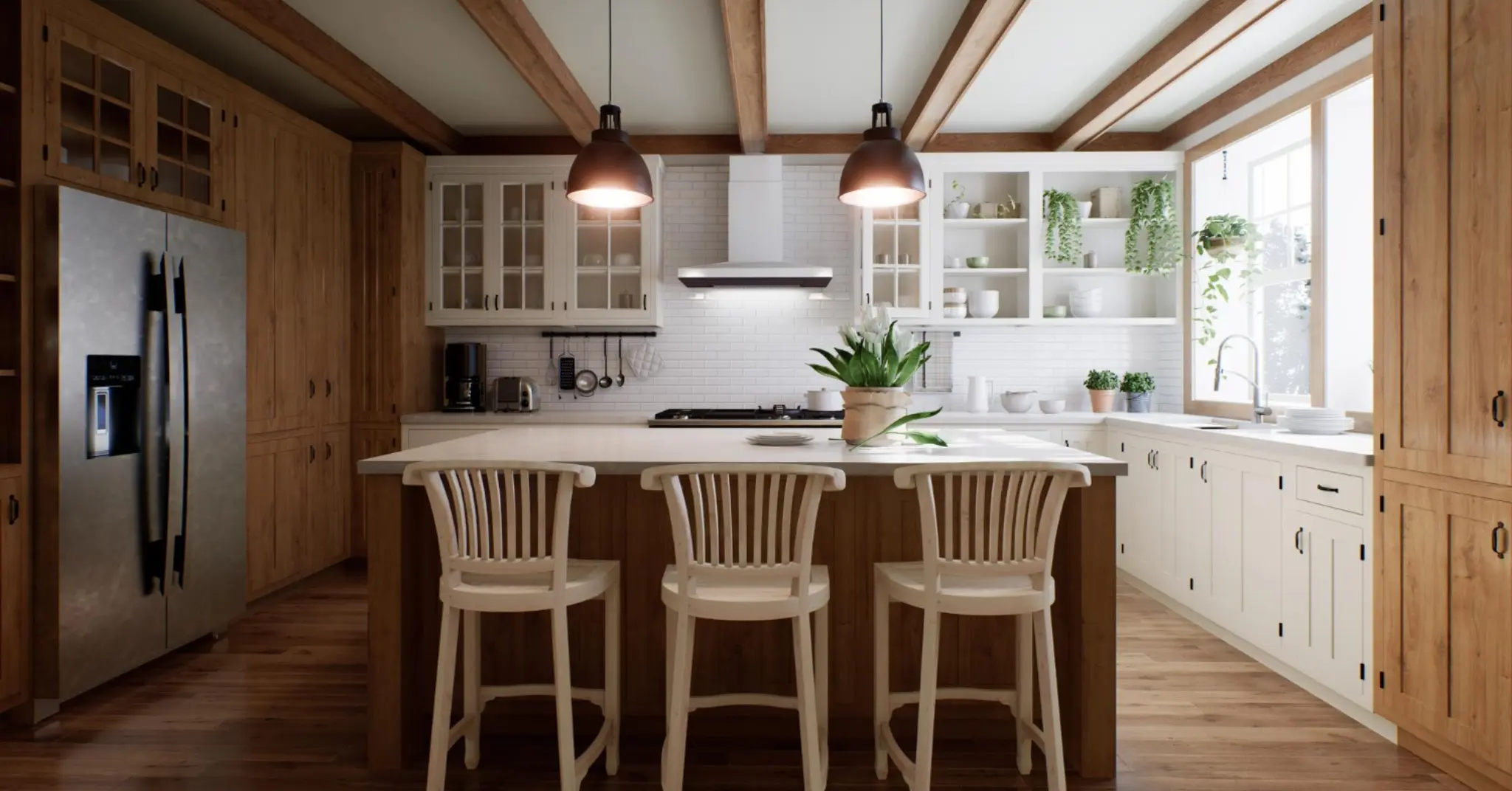
Key elements include polished teak, intricate wooden doors, brass lamps, and handmade fabrics. Modern versions use veneered wall panels or repurposed wooden beams for subtle nods to tradition.
Cultural Touch: Combine Paithani or Warli-inspired art with minimalist furniture — a blend that reflects Maharashtra’s rich heritage with contemporary ease.
7. Indo-European Fusion: A Global Heritage Language
Today’s designers often merge heritage influences across continents. You might see Rajasthani arches paired with European mouldings, or Japanese Shoji screens complementing Indian teakwork.
This fusion reflects global lifestyles — especially in Pune’s cosmopolitan homes — where travel, culture, and design intersect.
To pull off this hybrid look:
- Use consistent colour tones to unify elements.
- Repeat a common motif — arches, fluting, or brass trims — across rooms.
- Keep the base palette calm so details stand out without visual clutter.
8. Lighting: The Soul of Heritage Interiors
Lighting is the bridge between eras. Vintage chandeliers, profile lighting, and concealed LED coves can all coexist when placed thoughtfully.
- Use warm lighting (2700K–3000K) to highlight the patina of wood and brass.
- Install recessed uplights near columns or arches to accentuate form.
- Pair antique sconces with dimmers to adapt mood from day to night.
9. Sustainable Heritage: Reviving, Not Replacing
True heritage interiors also align with sustainability — restoring old furniture, reusing timber, or upcycling metalware.
- Restore rather than replace — polish old teak, reuse antique brass handles.
- Mix local crafts like cane, bamboo, and clay with contemporary textures.
- Choose natural paints and breathable finishes to protect materials and reduce VOC emissions.
Heritage, after all, is about continuity — not replication. It’s about honouring craftsmanship and reinterpreting it for modern relevance.
Why Heritage Design Still Matters
A 2024 survey by the Indian Institute of Interior Designers noted that over 60% of urban homeowners in India prefer designs that incorporate traditional materials or motifs. In Pune, where history and modernity coexist, this trend is especially strong — from restored colonial apartments to new builds with classical facades.
Heritage interiors remind us that beauty has depth when it carries a story. They connect us to cultural memory while offering the comfort of craftsmanship that endures.
Final Thoughts
Elegant heritage interiors aren’t about excess — they are about balance, authenticity, and emotional resonance.
When designed thoughtfully, they make every room feel storied and alive. Whether it’s a teak chest passed down generations or a modern jaali wall inspired by Mughal patterns, each detail contributes to a larger narrative of belonging.
At Studio Mavi, we believe that the past and present should coexist beautifully. Because timeless design isn’t just what we inherit — it’s what we create for the future.