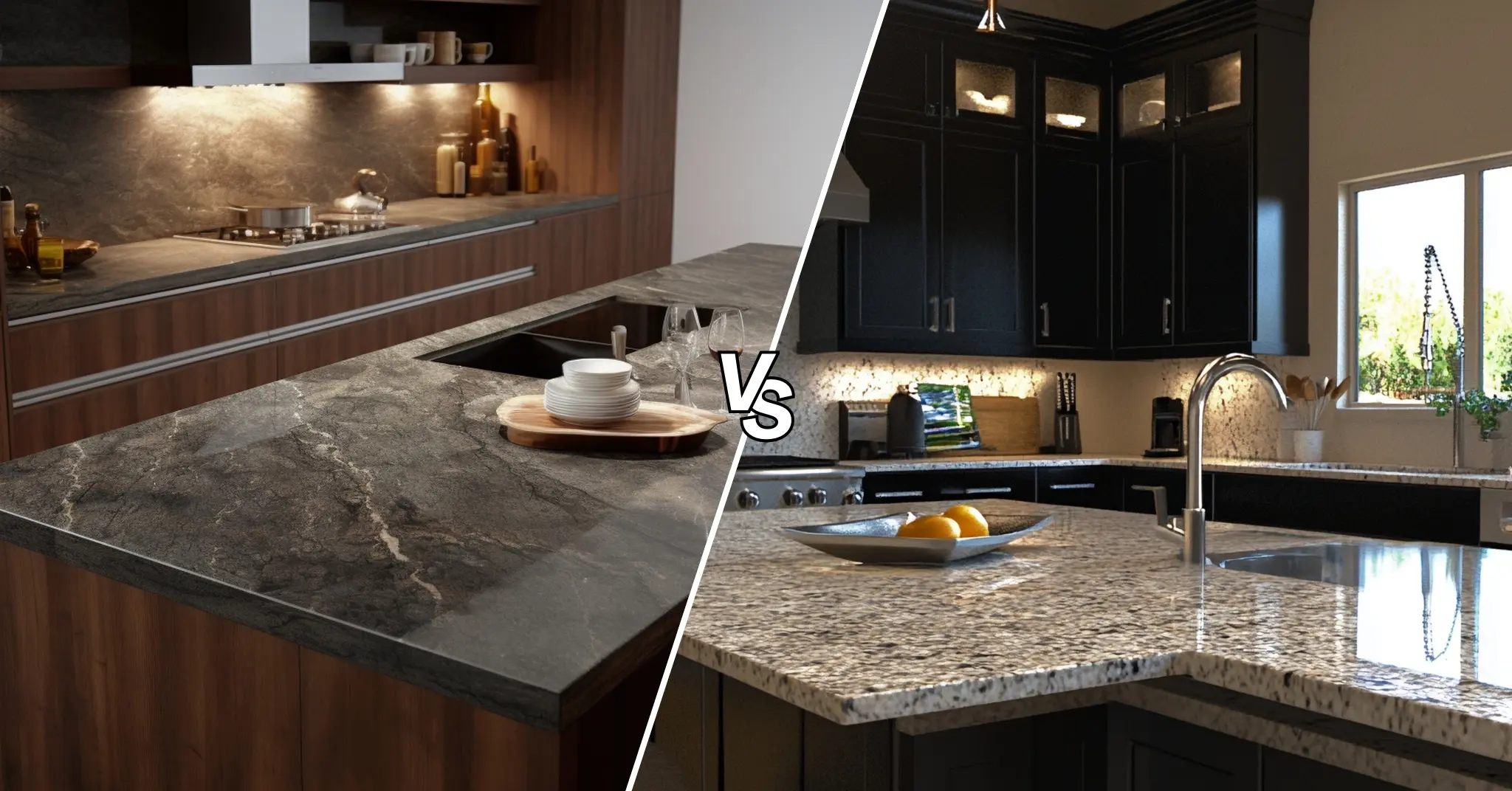
Quartz vs granite countertops is one of the most common comparisons homeowners make when designing kitchens and bathrooms. Both materials are premium, long-lasting, and visually appealing, yet they perform very differently in everyday Indian homes. Choosing the right countertop is not just a matter of looks—it directly affects maintenance, durability and how comfortably the space functions over time.
At Studio Mavi, widely regarded as one of the best interior design studios in Pune, countertop selection is approached as part of a larger design and lifestyle conversation rather than an isolated material decision. Understanding the strengths and limitations of quartz and granite helps homeowners make informed, long-term choices.
Understanding Granite Countertops
Granite is a natural igneous rock formed from cooled magma beneath the Earth’s surface. Each slab is unique, with natural variations in colour, grain, and veining. This geological origin is well documented and can be referenced via Granite – Igneous Rock.
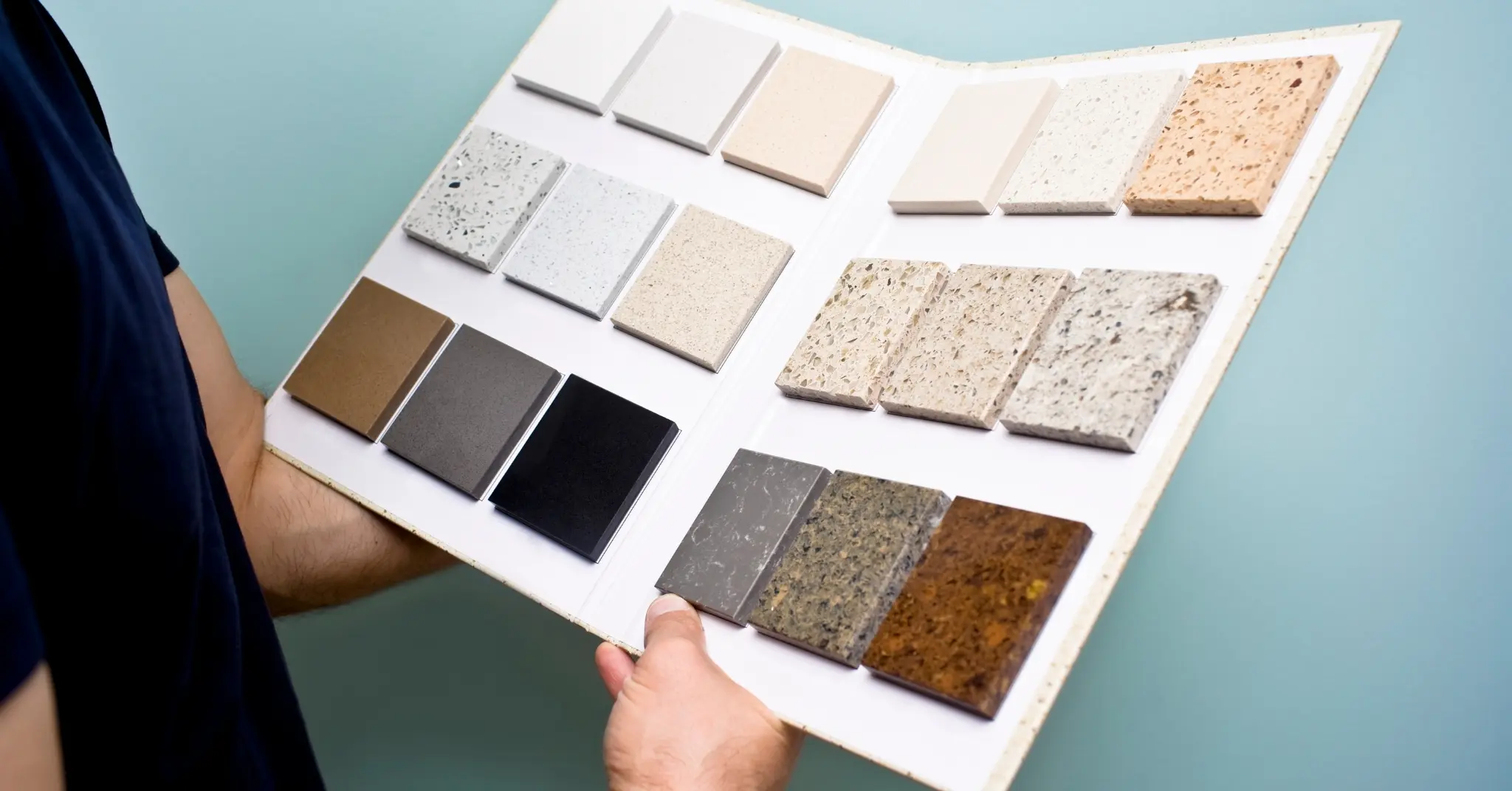
Because granite is quarried and cut into slabs, no two countertops look exactly the same. This uniqueness is often a major appeal for homeowners who prefer natural materials with character.
Granite has been used in Indian kitchens for decades due to its strength and heat resistance. Studio Mavi often integrates granite into residential interiors where durability and natural aesthetics are prioritised, particularly in homes with heavy daily cooking.
Understanding Quartz Countertops
Quartz countertops are engineered surfaces made from crushed natural quartz combined with resins and pigments. Quartz itself is one of the hardest minerals on Earth, a fact supported by its classification on the Mohs hardness scale.
Unlike granite, quartz countertops are manufactured, which allows for consistent colour, pattern control, and uniformity. This makes quartz popular in modern and minimalist kitchen designs where visual consistency is important.
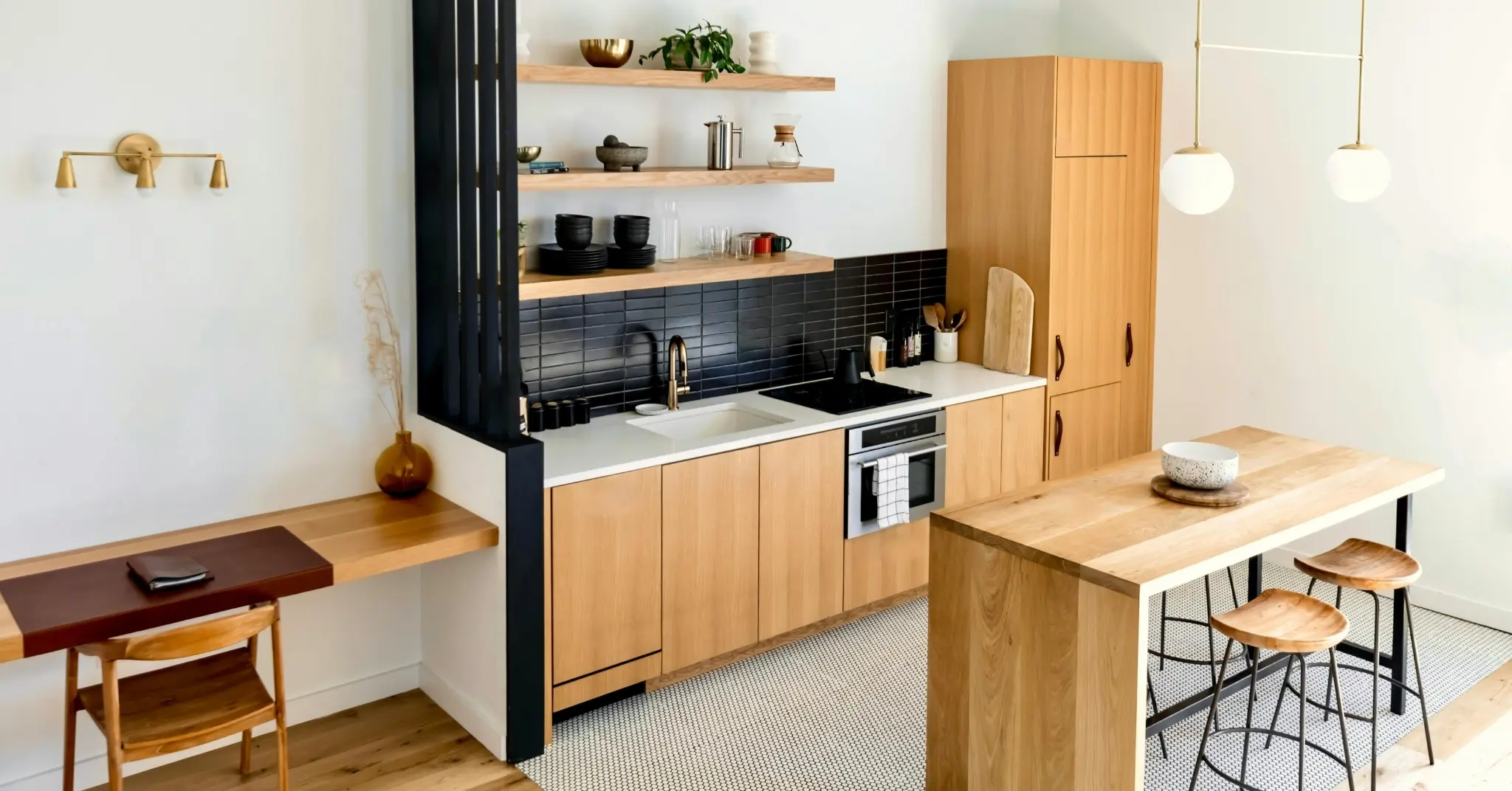
At Studio Mavi, quartz is often specified for contemporary homes where clean lines, controlled palettes, and low-maintenance surfaces are key design requirements.
Cost Comparison
Granite countertops generally have a lower starting cost compared to quartz, especially locally sourced varieties. However, premium imported granite can be priced on par with or higher than quartz.
Quartz countertops tend to have a more predictable pricing structure because they are manufactured. The cost reflects brand, finish, thickness, and edge detailing rather than natural rarity.
From a design perspective, Studio Mavi evaluates cost not just at the purchase stage, but across the lifespan of the kitchen. A countertop that requires fewer repairs or replacements often proves more economical in the long run.
Durability and Performance
Granite is extremely hard and heat resistant. Hot vessels can be placed directly on granite without immediate damage, which suits Indian cooking habits. However, granite is porous by nature and can absorb liquids if not sealed properly.
Quartz is non-porous due to its resin content. This makes it highly resistant to stains, moisture, and bacterial growth—an important consideration for hygiene-sensitive kitchen environments. However, quartz is less heat resistant than granite and requires the use of trivets for hot cookware.
The best interior design studios, including Studio Mavi, select countertop materials based on how the kitchen will actually be used, not just how it looks in photographs.
Maintenance Requirements
Granite requires periodic sealing to maintain stain resistance. Without sealing, oil, spices, and acidic liquids can seep into the stone over time. Daily cleaning is simple, but long-term care requires attention.
Quartz requires minimal maintenance. It does not need sealing and can be cleaned easily with mild soap and water. This makes it ideal for homeowners looking for convenience and consistency.
In Studio Mavi’s design process, maintenance expectations are discussed early so that material choices align with the homeowner’s lifestyle and routines.
Aesthetic Considerations
Granite offers organic beauty and natural variation. It works well in traditional, transitional, and earthy interior styles. Its visual depth adds warmth and character to kitchens.
Quartz provides a more controlled and contemporary aesthetic. It can mimic marble, concrete, or solid colours with precision. This makes it suitable for modern homes where visual uniformity is desired.
Studio Mavi often balances these aesthetics with other elements such as cabinetry finishes, lighting, and spatial planning to ensure the countertop complements the overall interior rather than dominating it.
Best Use Cases
Granite works best in kitchens with heavy cooking, frequent heat exposure, and homeowners who appreciate natural materials and are comfortable with occasional maintenance.
Quartz is ideal for modern homes, apartments, and families seeking low-maintenance surfaces with consistent appearance and high hygiene standards.
In many projects, Studio Mavi also explores combining materials—using granite in utility-heavy zones and quartz in visually prominent or low-heat areas—to achieve both performance and design balance.
Final Thoughts
The quartz vs granite countertop decision is not about which material is better universally, but which one is better for your home, habits, and long-term expectations. Both materials offer excellent durability and aesthetics when chosen thoughtfully.
As one of the best interior design studios in Pune, Studio Mavi approaches material selection holistically—considering cost, performance, maintenance, and design intent together. When countertops are chosen as part of a well-planned interior strategy, they enhance not just the kitchen, but everyday living itself.