Cities, like people, evolve with rhythm — sometimes subtly, sometimes radically. Pune, once characterized by spacious bungalows, slow weekends, and generational homes, is now humming to a new tune — one that’s faster, flexible, and distinctly modular.
In the last decade, Pune has transformed from a quiet cultural hub into one of India’s most dynamic urban centres — a city where mobility, design, and identity are constantly being rewritten. Amid this transformation, modular furniture has emerged as the design language of this new lifestyle.
More than just a style, it’s a reflection of how Pune lives today — compact, adaptive, and mobile.
We at Studio Mavi discuss these transformations using a socio-cultural lens. Read below –
From Permanence to Possibility
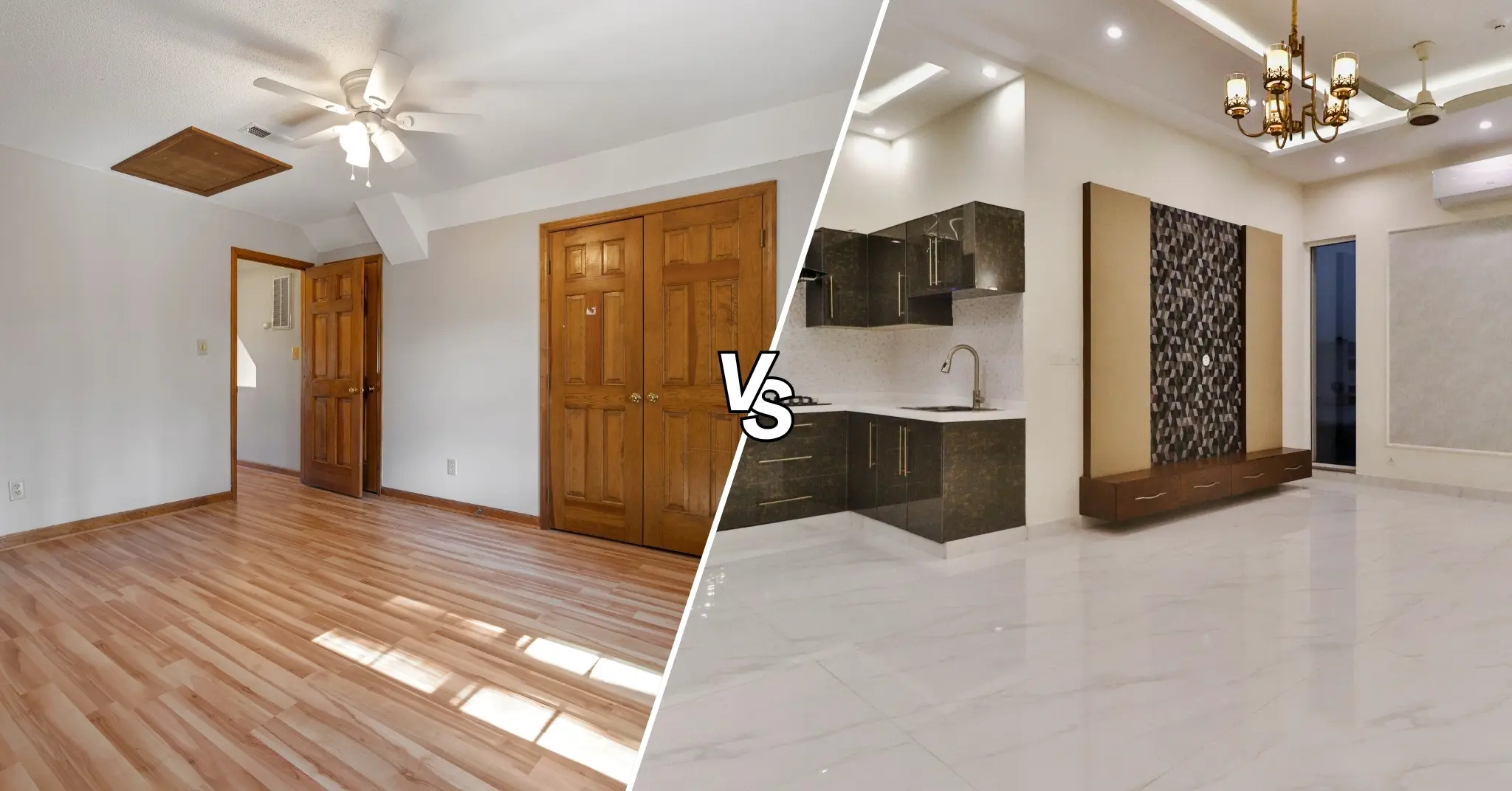
A generation ago, furniture was synonymous with permanence. Heavy teak cabinets, ornate dining tables, and intricately carved swings defined a home’s identity. Furniture was built to last a lifetime — or longer. It was emotional architecture, handed down through families.
But today’s Pune is different. It’s a city in flux, where permanence has given way to possibility.
The rise of nuclear families, semi-permanent residences, and dual-income households has rewritten what we demand from our interiors. Furniture is no longer about inheritance — it’s about adaptability. It must move, evolve, and reassemble with its owners.
As urban sociologists often discuss, “Contemporary Pune homes aren’t just smaller — they’re more fluid. A living room becomes a workspace by morning, a dining area by evening, and a bedroom for guests at night.”
The Modular Revolution
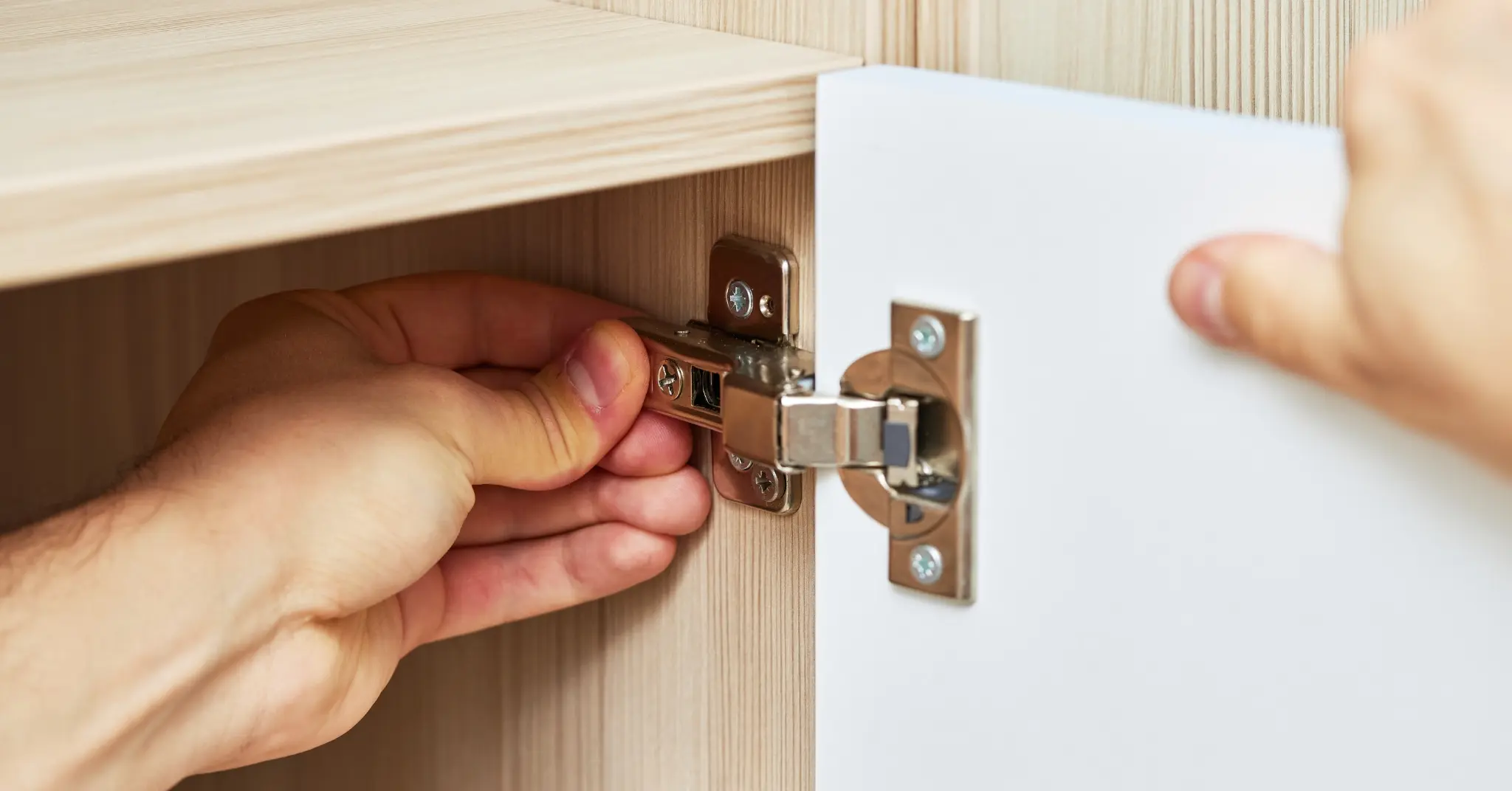
Modular furniture is design’s answer to this rhythm. Built on the principles of mobility, flexibility, and customization, it allows each piece to be assembled, expanded, or reconfigured as lifestyles change.
From modular wardrobes that fit into irregular corners, to sofa systems that morph into guest beds, or wall-mounted dining tables that fold seamlessly when not in use — design has learned to move with people.
What makes the Pune edition of this trend unique is its context. The city’s growing population of young professionals, entrepreneurs, and child-free couples demands spaces that are efficient yet aesthetic, practical yet personal.
Modular furniture, with its clean geometry and efficient use of space, perfectly matches this emerging ethos.
Compact Homes, Expansive Ideas
According to Knight Frank’s 2024 Pune Residential Report, the city saw a 38% rise in sales of compact 1- and 2-BHK apartments in the last three years.
The shift is not just economic — it’s cultural. The new homeowner doesn’t view limited space as a compromise, but as a creative challenge.
- Foldable furniture doubles the function of every square foot.
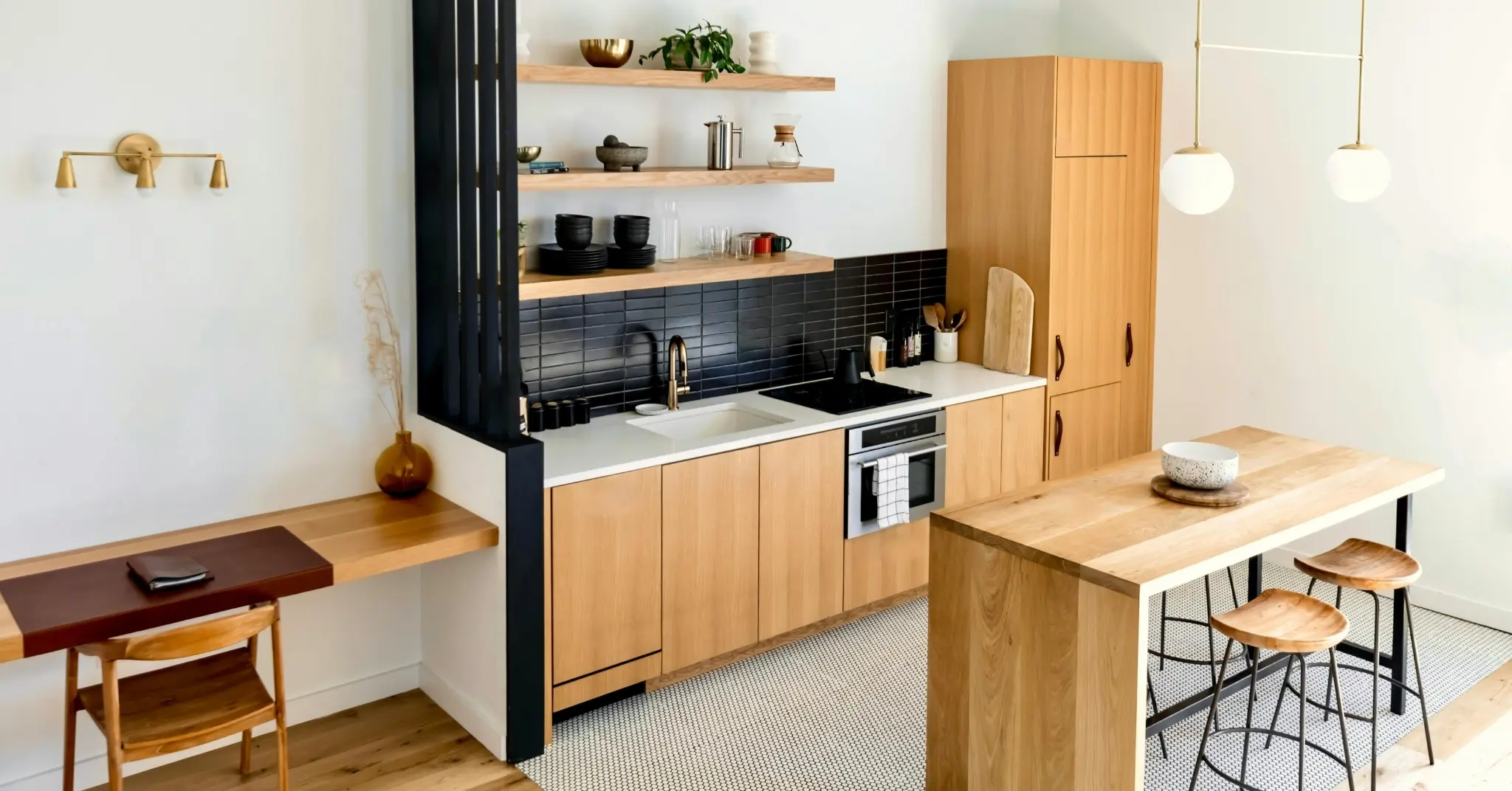
- Modular kitchens allow customization according to cooking styles.
- Multi-purpose storage units keep living areas open and uncluttered.
- Smart desks and wall systems enable work-from-home setups without sacrificing aesthetics.
At Studio Mavi, we see this as the “design of rhythm” — homes that change tune depending on their use.
A dining table in a Kothrud apartment might serve as a conference table by day, while a Murphy bed in a Baner flat hides behind an accent wall until guests arrive.
This design shift mirrors Pune’s socio-cultural evolution — a city balancing tradition with transition, stability with motion.
The Social Blueprint: Living Small, Thinking Big
The nuclearization of families has redefined the way people occupy space. Unlike previous generations who built sprawling homes to house extended families, today’s residents are seeking curated experiences over square footage.
Moreover, the cultural fabric is changing. Many young couples are choosing not to have children, instead investing in experiences — travel, hobbies, or remote work — that align with a modular lifestyle.
This, in turn, influences design priorities:
- Less storage, more openness.
- Light furniture, quick reconfiguration.
- Aesthetic mobility — pieces that look good from every angle and can adapt to new spaces.
Furniture is no longer static. It’s now an ecosystem of motion — one that mirrors the psychology of contemporary urban living.
Design Aesthetics: The Rise of Modular Minimalism
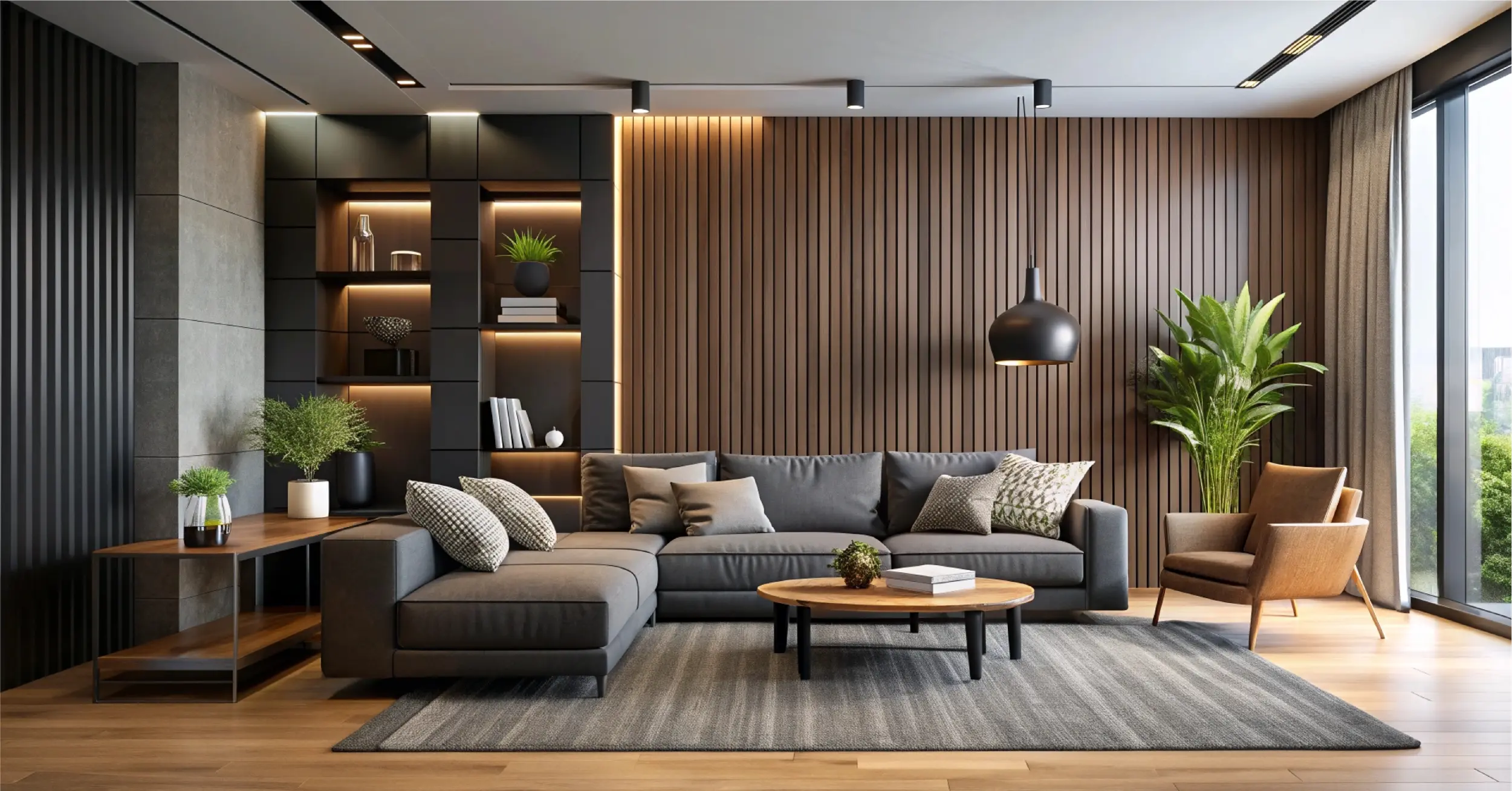
Visually, Pune’s interiors have embraced a design language that is clean, muted, and multifunctional.
This “modular minimalism” borrows from Scandinavian and Japanese sensibilities — blending functionality with calm. It uses:
- Neutral colour palettes (oat, taupe, sage, and stone).
- Natural textures like wood, jute, and rattan for warmth.
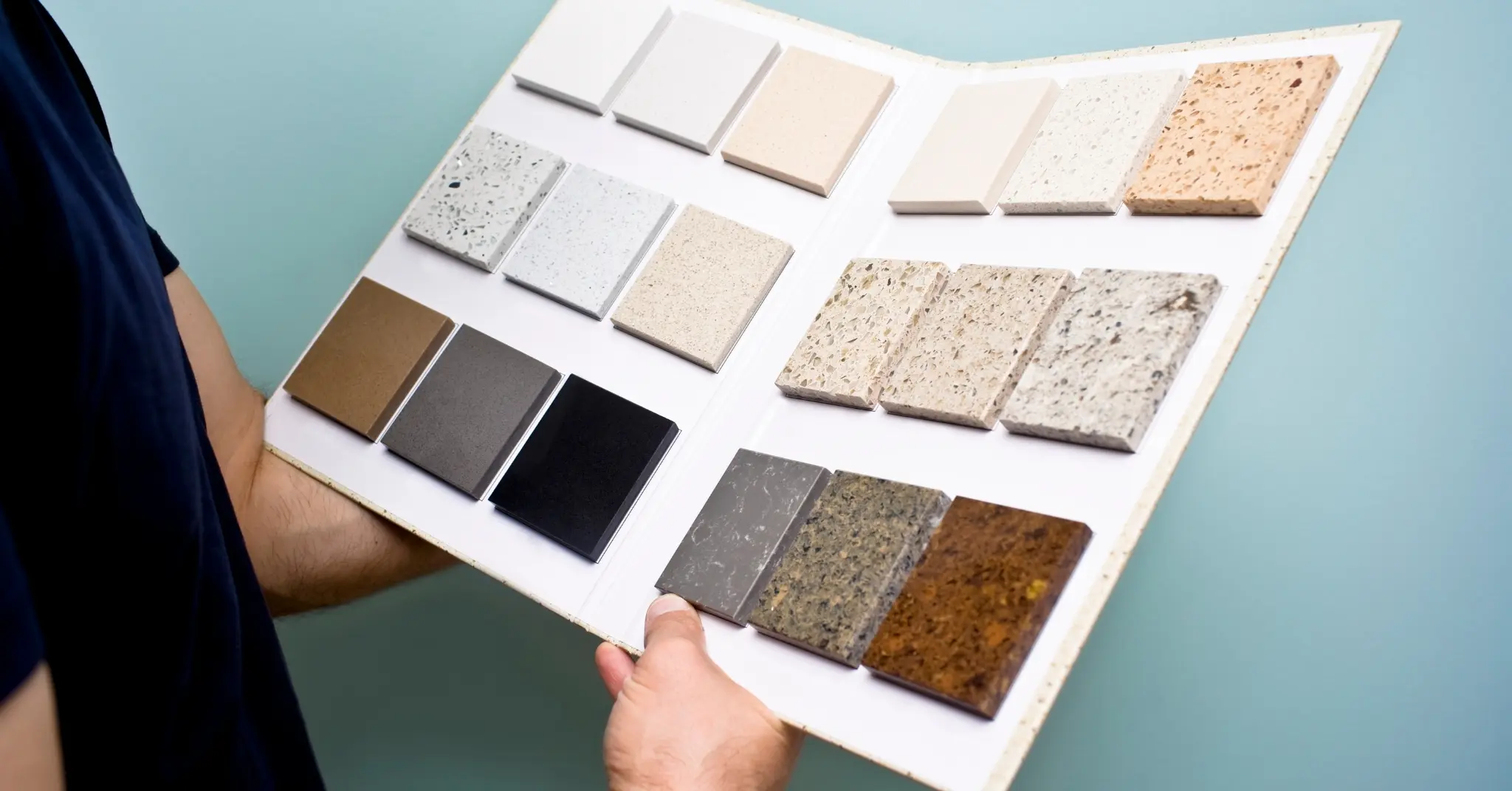
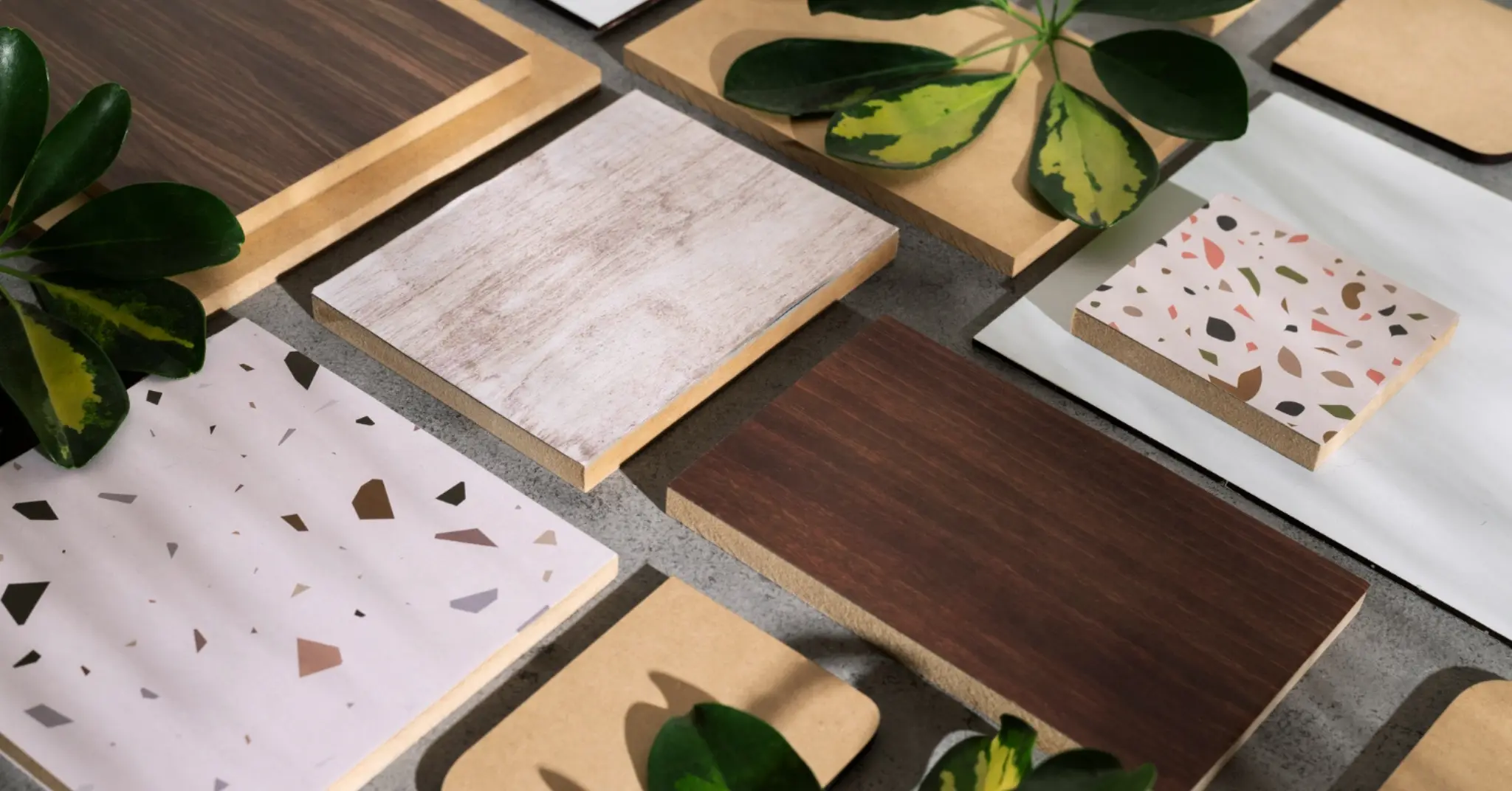
- Smart materials like engineered wood and aluminium for longevity.
It’s not about empty spaces; it’s about purposeful emptiness — where furniture isn’t ornamental, but orchestrated.
Even the choice of materials reflects a conscious evolution. Pune homeowners are increasingly seeking sustainable modular systems, made from recycled wood, bamboo composites, or low-VOC laminates. This ties into the city’s growing green consciousness, discussed in Studio Mavi’s earlier blog on “Let Nature In: Room-by-Room Guide to Green Interior Design.”
The Emotional Shift: Furniture as Identity
There’s also a deeper story unfolding. Furniture, once tied to heritage and longevity, now represents freedom and individuality.
A young professional moving from Pune to Bengaluru can carry her furniture modules like luggage. A couple can reconfigure their home for remote work within an afternoon. Even rented apartments can be made personal with modular units that fit without fixing.
The emotional shift is profound: furniture is no longer a commitment; it’s a collaboration — between design and daily life.
Retail Evolution: The Modular Market Boom
This changing mindset has reshaped Pune’s furniture market. Local brands and design studios are offering modular systems tailored to Indian lifestyles — blending global design logic with local craftsmanship.
In areas like Shivajinagar and Koregaon Park, boutique studios now showcase living rooms that transform in seconds — sofa units that slide, tables that pivot, wardrobes that expand.
Meanwhile, large-format stores and online platforms have made modularity accessible to the average buyer. The result is a democratization of design — where anyone can live well, regardless of square footage.
Beyond Homes: The Modular Mindset
What’s most fascinating is how modular thinking extends beyond interiors. It’s influencing how Puneites live, work, and relate to their city.
- Co-living spaces and serviced apartments use modular design to adapt quickly between tenants.
- Co-working hubs rely on movable partitions and furniture for flexibility.
- Even cafés and art studios use modular shelving and display systems that evolve with the seasons.
This fluid design ethos reflects a deeper cultural truth: Pune is learning to embrace impermanence with grace.
Looking Ahead: Designing for a Mobile Future
The city’s rhythm will continue to change — as will its homes. With rising mobility, transient work cultures, and shifting family structures, Pune’s design story is now one of modular fluidity.
Future modular furniture will likely integrate technology — wireless charging, smart storage, and adaptive lighting. But its essence will remain the same: adaptability.
For Studio Mavi, the design challenge is clear — to create modular systems that are not just space-efficient but emotionally intelligent, capable of evolving with people’s lives.
Final Thoughts: The City in Motion
Pune’s design narrative has always been about rhythm — from its heritage wadas to its glass-fronted apartments. Today, that rhythm is faster, more spontaneous, yet still deeply human.
Modular furniture represents more than convenience; it’s the architecture of modern life — fluid, responsive, and personal.
As families get smaller, residences more transient, and choices more intentional, Pune’s homes are no longer static sanctuaries — they’re living systems, tuned to the shifting melodies of contemporary existence.
In this symphony of change, modular furniture is not just a trend. It’s the new tune the city is humming — one of flexibility, purpose, and design that moves with life.