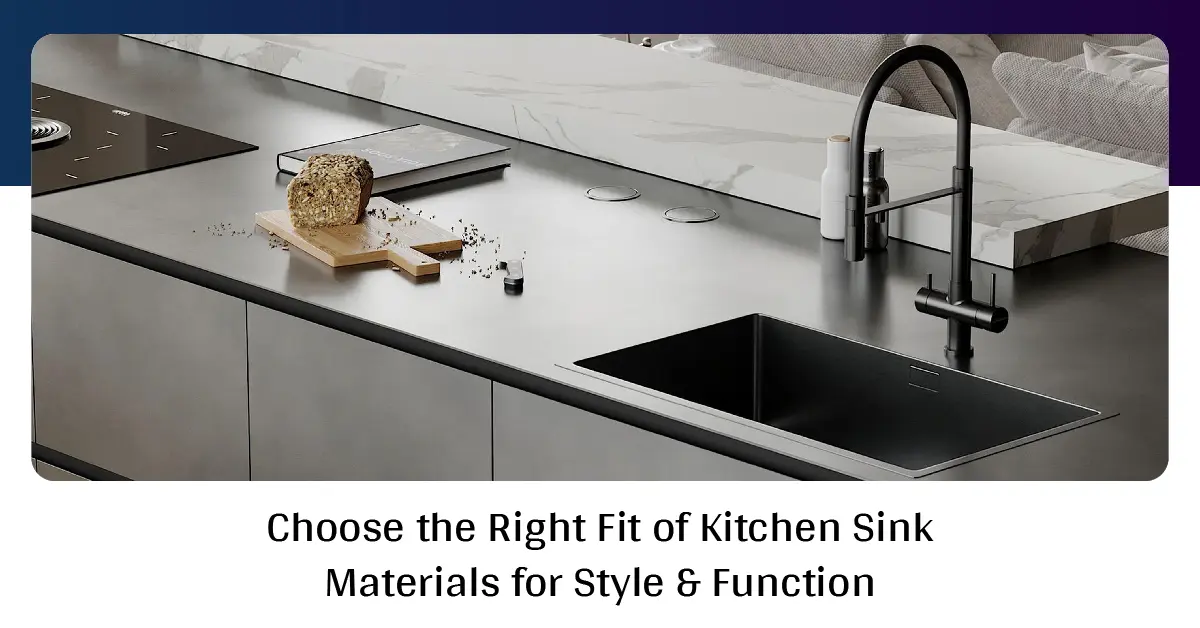
The kitchen sink is far more than just a functional fixture; it’s a centerpiece of daily life, a hub where cooking, cleaning, and even social moments unfold. Choosing the perfect kitchen sink material involves striking the right balance between style, durability, maintenance, and how it complements your overall kitchen design.
At Studio Mavi, we understand that the sink must endure everyday wear and tear while enhancing your kitchen’s aesthetic. Whether you’re planning a full kitchen remodel or a subtle update, this detailed guide will help you explore the best sink materials suited for your lifestyle and style preferences.
1. Stainless Steel: The Sleek, Practical Workhorse
Stainless steel sinks have long been favored for their sleek, metallic sheen and undeniable practicality. Their polished or brushed surfaces reflect light beautifully, brightening up the kitchen. Lightweight yet strong, stainless steel resists stains, heat, and corrosion—ideal for busy households.
Visual & Tactile Feel: The cool, smooth surface feels modern and clean. Brushed finishes mask fingerprints and water spots better, making daily maintenance easier. Its neutral silver tone pairs effortlessly with granite, quartz, or wooden countertops.
Functionality: Stainless steel is resistant to impacts but can show scratches over time. With a bit of wear, these marks actually add character, reflecting a kitchen that’s truly lived-in.
Style Tips: For a contemporary or industrial kitchen, pair stainless steel sinks with matte black fixtures and concrete countertops for an edgy, urban vibe.
2. Granite Composite: Earthy Elegance and Toughness
Granite composite sinks are crafted by blending crushed granite stone with resin, resulting in a matte, textured finish that looks and feels natural. Available in muted shades like charcoal, sand, and slate, these sinks bring an organic warmth and depth to the kitchen.
Visual & Tactile Feel: The surface is subtly grainy to the touch—softer than stone but with a robust, stone-like appearance. Unlike shiny metals, granite composite’s matte finish absorbs light, creating a cozy, inviting atmosphere.
Functionality: This material is extremely resistant to scratching, chipping, and high temperatures, making it perfect for those who often cook with heavy pots or sharp knives. It’s also quieter than stainless steel, absorbing sound better when water or dishes hit the surface.
Style Tips: Combine a granite composite sink with natural wood cabinetry or earthy toned tiles for a rustic-modern kitchen that feels connected to nature.
3. Cast Iron with Enamel Coating: Vintage Charm with a Glossy Finish
Cast iron sinks coated with a thick enamel layer offer a statement of bold, vintage elegance. The enamel can come in a range of colours from crisp white to deep blues and reds, making the sink an eye-catching focal point.
Visual & Tactile Feel: The glossy, glass-like enamel surface is smooth and radiant, adding a layer of sophistication. The sink’s robust, heavy feel underscores its durability and quality craftsmanship.
Functionality: Cast iron is incredibly sturdy and heat-resistant but requires a strong cabinet base due to its weight. The enamel coating can chip if struck hard, but when well cared for, it lasts decades.
Style Tips: A classic white enamel cast iron sink perfectly suits farmhouse kitchens, while bold colours work well in eclectic or retro-inspired spaces. Pair with brass or antique bronze faucets to complete the look.
4. Fireclay: Glossy, Hard, and Hygienic
Fireclay sinks are molded from clay and fired at high temperatures to create a glossy, non-porous surface that resists stains and scratches. Their elegant sheen and smooth curves offer a refined yet durable option.
Visual & Tactile Feel: The surface feels almost glass-like and smooth, with a subtle warmth from its ceramic base. Fireclay sinks typically come in clean white or cream shades, lending a crisp, classic appeal.
Functionality: Resistant to acids, heat, and everyday wear, fireclay sinks are easy to clean and hygienic. However, the ceramic can chip or crack under heavy impact, so care is needed.
Style Tips: Fireclay pairs beautifully with shaker cabinets, butcher block counters, and soft pastel tones—ideal for traditional or transitional kitchens aiming for timeless elegance.
5. Copper: Warmth, Patina, and Natural Antimicrobial Properties
Copper sinks are unique for their warm, glowing hues that evolve over time. Initially bright and shiny, copper develops a natural patina—a greenish or brownish sheen—that adds character and tells a story of your kitchen’s life.
Visual & Tactile Feel: The tactile sensation is smooth with a subtle texture, and the rich colour varies between rosy reds and burnt oranges. Copper’s warm tones add inviting depth to any kitchen.
Functionality: Copper naturally inhibits bacterial growth, offering hygienic benefits. It requires regular cleaning and occasional waxing to maintain the desired finish. Acidic foods can cause discoloration, so proper care is important.
Style Tips: Copper sinks bring life to rustic, Mediterranean, or eclectic kitchens. Pair with dark wooden cabinets and warm lighting to emphasize copper’s glowing charm.
6. Quartz & Solid Surface Sinks: Seamless Style Meets Function
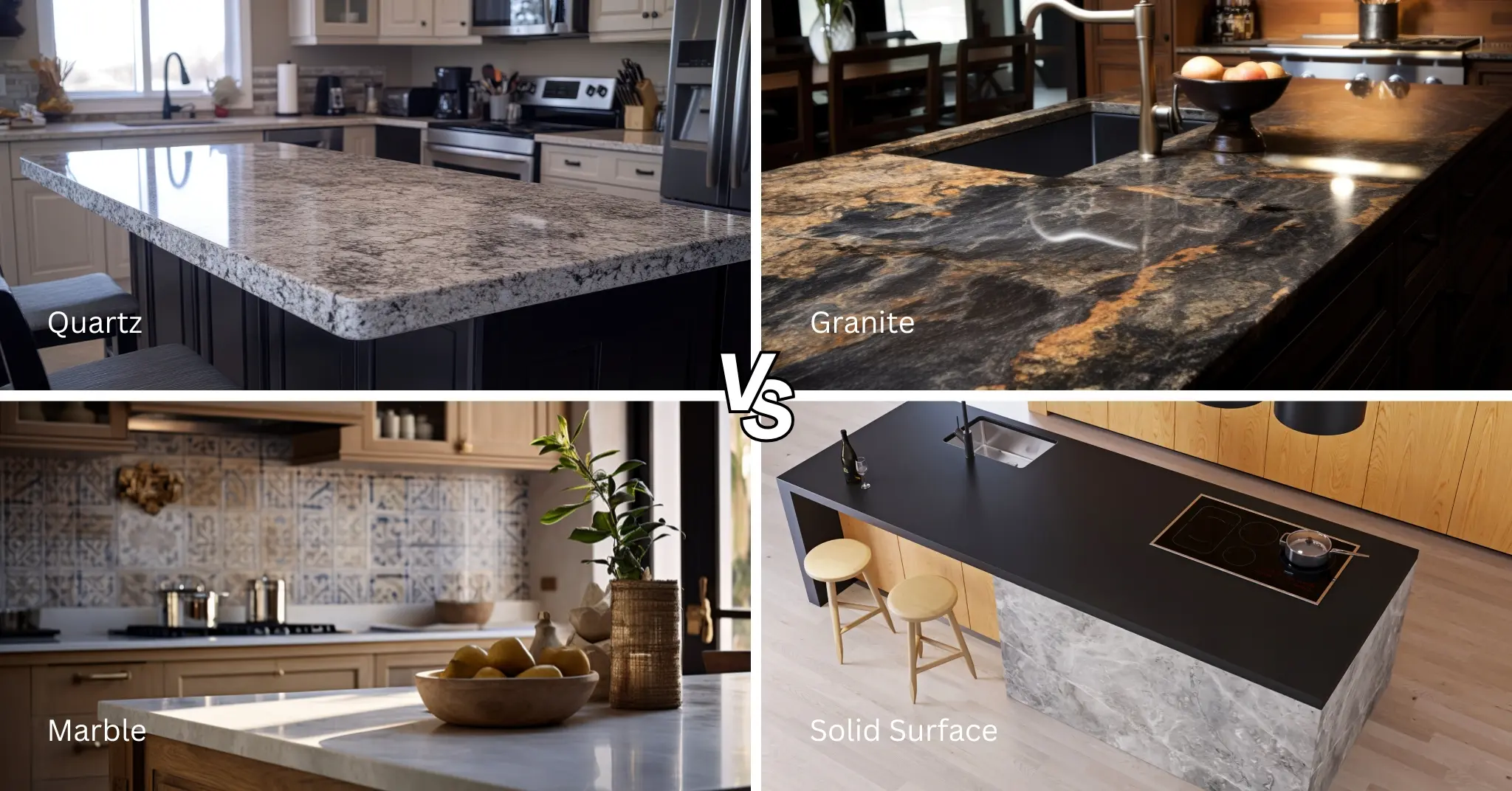
Quartz and solid surface sinks are engineered from resin mixed with natural minerals or pigments, designed to integrate seamlessly with countertops for a minimalist look.
Visual & Tactile Feel: These sinks have a smooth, matte or semi-gloss finish and can mimic the appearance of stone or concrete. Available in numerous colours, they provide a uniform, sleek look with clean lines.
Functionality: Non-porous and stain-resistant, these sinks are easy to clean and maintain, though they are less heat resistant than stone or metal options. Minor scratches can often be buffed out.
Style Tips: Perfect for ultra-modern or minimalist kitchens, these sinks enhance seamless counter designs and work well with monochromatic or bold colour schemes.
7. Wood: Natural Warmth for the Adventurous
Wooden sinks, crafted from treated hardwoods like teak or iroko, offer a warm, organic aesthetic rarely seen in kitchens. They bring nature’s tactile richness directly into your cooking space.
Visual & Tactile Feel: The wood grain provides visual interest and texture, while the surface feels warm and inviting to the touch. The colour deepens naturally over time.
Functionality: Wood sinks require regular sealing to prevent water damage and staining. They are more sensitive than other materials, so best suited for gentle use and kitchens emphasizing natural materials.
Style Tips: Wooden sinks pair beautifully with farmhouse or eco-friendly kitchens that use natural stones, woven baskets, and earth-toned palettes.
How to Choose Based on Your Needs
- High-use, busy kitchens: Stainless steel or granite composite for durability and low maintenance.
- Elegant, timeless kitchens: Fireclay or cast iron enamel for classic appeal and robustness.
- Unique, statement kitchens: Copper or wood for personality and warmth.
- Modern, streamlined kitchens: Quartz or solid surface for seamless integration.
Maintenance & Longevity Considerations
Each sink type demands care suited to its material properties. Choosing one that fits your lifestyle and willingness to maintain ensures long-term satisfaction.
Final Thoughts
Your kitchen sink is a major investment in both function and style. From the cool modernity of stainless steel to the rustic charm of cast iron or the artisanal beauty of copper, selecting the right material enhances your kitchen’s personality and usability.
At Studio Mavi, we guide you through every choice to find sinks that fit perfectly with your home’s design and your day-to-day needs—creating kitchens that are as practical as they are beautiful.