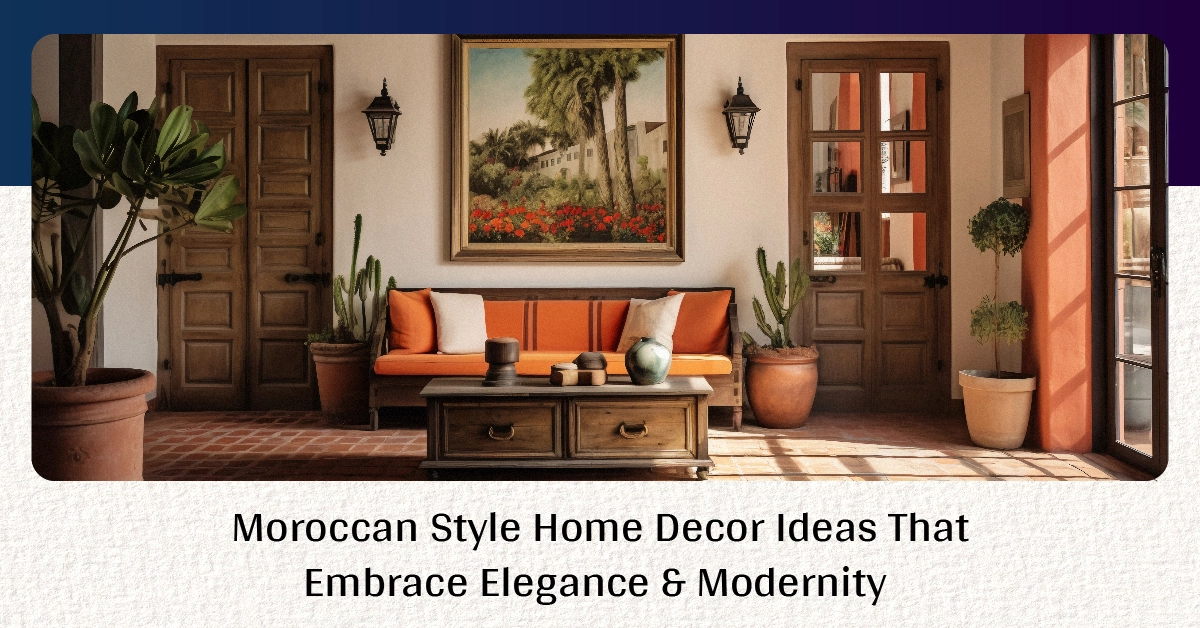
Few styles manage to be as vibrant, layered, and timeless as Moroccan décor. Born from a fusion of Berber, Arab, and Mediterranean influences, Moroccan interiors offer a rich tapestry of colours, patterns, and textures. While the look is deeply rooted in tradition, modern design sensibilities allow it to be adapted for contemporary homes—balancing opulence with simplicity.
At Studio Mavi, we see Moroccan style as more than a trend—it’s a design language that tells a story through craftsmanship, geometry, and warmth. This guide explores how to bring Moroccan elegance into your home while keeping the spaces fresh, functional, and modern.
1. The Essence of Moroccan Design
Moroccan décor is known for:
- Bold Colours: Jewel tones like sapphire blue, emerald green, ruby red, and gold.
- Intricate Patterns: Geometric tiles, arabesques, and zellige mosaics.
- Layered Textures: From handwoven rugs to carved woodwork.
According to the Global Home Décor Market Report 2024, ethnic-inspired designs, including Moroccan, have seen a 17% rise in online searches in the past year, especially in urban India and Europe.
2. Colour Palettes: Jewel Tones Meet Neutrals
While traditional Moroccan interiors often embrace vivid colours, modern adaptations balance these with neutrals for a more refined look.
Traditional Approach: Combine deep cobalt blue walls with mustard yellow accents for an authentic feel.
Modern Twist: Use white or soft beige as the base, then layer in pops of turquoise, coral, or terracotta through cushions, rugs, or artwork.
Design Theory Insight: The colour blocking principle can be used to prevent visual chaos—grouping similar shades in zones ensures the décor feels harmonious, even with strong colours.
3. Iconic Moroccan Patterns
Patterns are the soul of Moroccan décor.
- Zellige Tiles: Glazed terracotta tiles, handcrafted for irregularity and charm.
- Mosaic Geometrics: Often seen in floors, backsplashes, or tabletops.
- Arabesque Motifs: Flowing, symmetrical designs that add elegance.
In a modern home, these can be introduced subtly—perhaps as a kitchen backsplash, a statement coffee table, or an accent wall in the bathroom.
Stat to Note: A 2023 Houzz report showed that bathrooms with patterned tile accents are 25% more likely to be saved by users on design platforms, suggesting enduring appeal.
4. Furniture: Curves, Carvings, and Comfort
Traditional Moroccan furniture features rounded edges, hand-carved details, and low seating. To adapt this for a modern setting:
- Choose a sleek, low-profile sofa and pair it with a carved wooden coffee table.
- Add poufs or ottomans in leather or woven fabric for extra seating.
- Opt for reclaimed teak or oak furniture with Moroccan-inspired carvings to maintain sustainability.
Pro Tip: Keep the larger pieces neutral, then use accessories to add Moroccan vibrancy—this ensures longevity as your style evolves.
5. Lighting: The Magic of Shadows
Lighting is a defining element in Moroccan design, famous for its interplay of light and shadow.
- Lanterns: Metal lanterns with cut-out patterns cast enchanting shadows.
- Pendant Lamps: Hang above dining tables or in entryways for drama.
- Candlelight: Brass or glass candle holders add intimacy and warmth.
Design Theory Example: The chiaroscuro effect—contrast between light and dark—adds depth and drama, making Moroccan lighting especially captivating at night.
6. Textiles: Layer for Luxury
Moroccan homes are rich in textiles, from Berber rugs to embroidered cushions.
- Rugs: Layer a kilim over a jute rug for texture contrast.
- Throws: Use handwoven blankets in muted tones for a modern touch.
- Cushions: Mix solid colours with intricate patterns for balance.
Stat to Note: Textile-based accents like rugs and throws account for over 35% of Moroccan-style product sales in the global décor market (Market Research Future, 2024).
7. Modern Moroccan Minimalism
While Moroccan décor is traditionally maximalist, you can distil its essence for a cleaner aesthetic:
- Stick to 1–2 dominant patterns.
- Use lighter, natural wood tones instead of dark, heavy finishes.
- Focus on open space, letting statement pieces shine without overcrowding.
Example: A modern bedroom could have a simple platform bed, crisp white linens, a patterned Moroccan rug, and a single pendant lantern.
8. Moroccan Outdoors: Courtyards & Balconies
If you have a balcony, terrace, or garden, Moroccan styling can turn it into an oasis.
- Add mosaic-topped tables and metal chairs.
- Use potted palms, bougainvillaea, or cacti for greenery.
- Lay patterned outdoor rugs for comfort and style.
Pro Tip: Use weather-resistant fabrics and teak or aluminium frames for outdoor furniture to ensure durability.
9. Integrating Moroccan Style Room by Room
Living Room: A carved wood coffee table, patterned rug, and lantern lighting.
Dining Room: Zellige-tiled sideboard or a bold accent wall.
Bedroom: Tufted headboard in velvet, Berber rug, soft lantern glow.
Bathroom: Patterned tile niche in the shower, brass fixtures.
Design Theory Insight: The principle of focal points suggests every room should have one eye-catching feature—like a tile wall or lantern cluster—that anchors the design.
10. Sourcing & Sustainability
True Moroccan décor celebrates craftsmanship, so authenticity matters. Look for:
- Handcrafted pieces from artisan cooperatives.
- Ethical sourcing of wood and textiles.
- Vintage or reclaimed furniture for character and eco-consciousness.
At Studio Mavi, we work with artisans to ensure each Moroccan-inspired piece not only looks beautiful but also supports sustainable practices.
Common Mistakes to Avoid
- Overloading Patterns: Too many competing prints can overwhelm.
- Neglecting Scale: Large Moroccan pieces in small rooms can feel cramped—balance proportions.
- Ignoring Lighting: Moroccan style loses much of its magic without layered lighting.
Why Moroccan Design Works in Modern Homes
- It’s adaptable—can be bold or subtle.
- It combines comfort with craftsmanship.
- It blends seamlessly with contemporary minimalism when simplified.
A 2024 Pinterest Trends report revealed that searches for “modern Moroccan interiors” have increased by 45% globally, proving the style’s growing relevance.
Final Thoughts
Moroccan décor brings a unique mix of elegance, warmth, and artistry to modern homes. Whether it’s the glint of a brass lantern, the geometry of a zellige tile, or the softness of a Berber rug, each element adds character and soul.
By thoughtfully balancing traditional motifs with contemporary sensibilities, you can create spaces that feel both timeless and current—just as Moroccan design has for centuries.
At Studio Mavi, we can help you tailor this rich style to your home, ensuring every choice reflects both your personality and your lifestyle.