In today’s fast-paced, screen-filled world, our homes have become sanctuaries. More than ever, people are turning to green interior design—not just as a style, but as a philosophy. It’s about creating spaces that connect us to nature, improve our well-being, and tread lightly on the planet.
A 2024 Statista survey found that 53% of homeowners in urban India are actively incorporating natural materials and plants into their interiors. At Studio Mavi, we believe that green design isn’t a passing trend—it’s a lifestyle choice that can transform your home one room at a time.
Here’s your complete room-by-room guide to letting nature in.
1. Living Room: The Heart of Biophilic Design
Your living room is where comfort meets hospitality, making it the perfect place to start your green interior journey.
Ideas to Try:
- Natural Materials: Choose sofas upholstered in organic cotton or linen. Pair with a reclaimed teak coffee table to bring warmth and sustainability together.
- Indoor Plants: Large potted palms or fiddle-leaf figs act as living sculptures while purifying the air.
- Light & Air: Maximise natural light with sheer curtains. Cross-ventilation keeps air fresh without over-reliance on air-conditioning.
Design Theory Example: The biophilia hypothesis, introduced by Edward O. Wilson, suggests humans are inherently drawn to nature. In interiors, integrating plants and organic textures reduces stress and boosts focus.
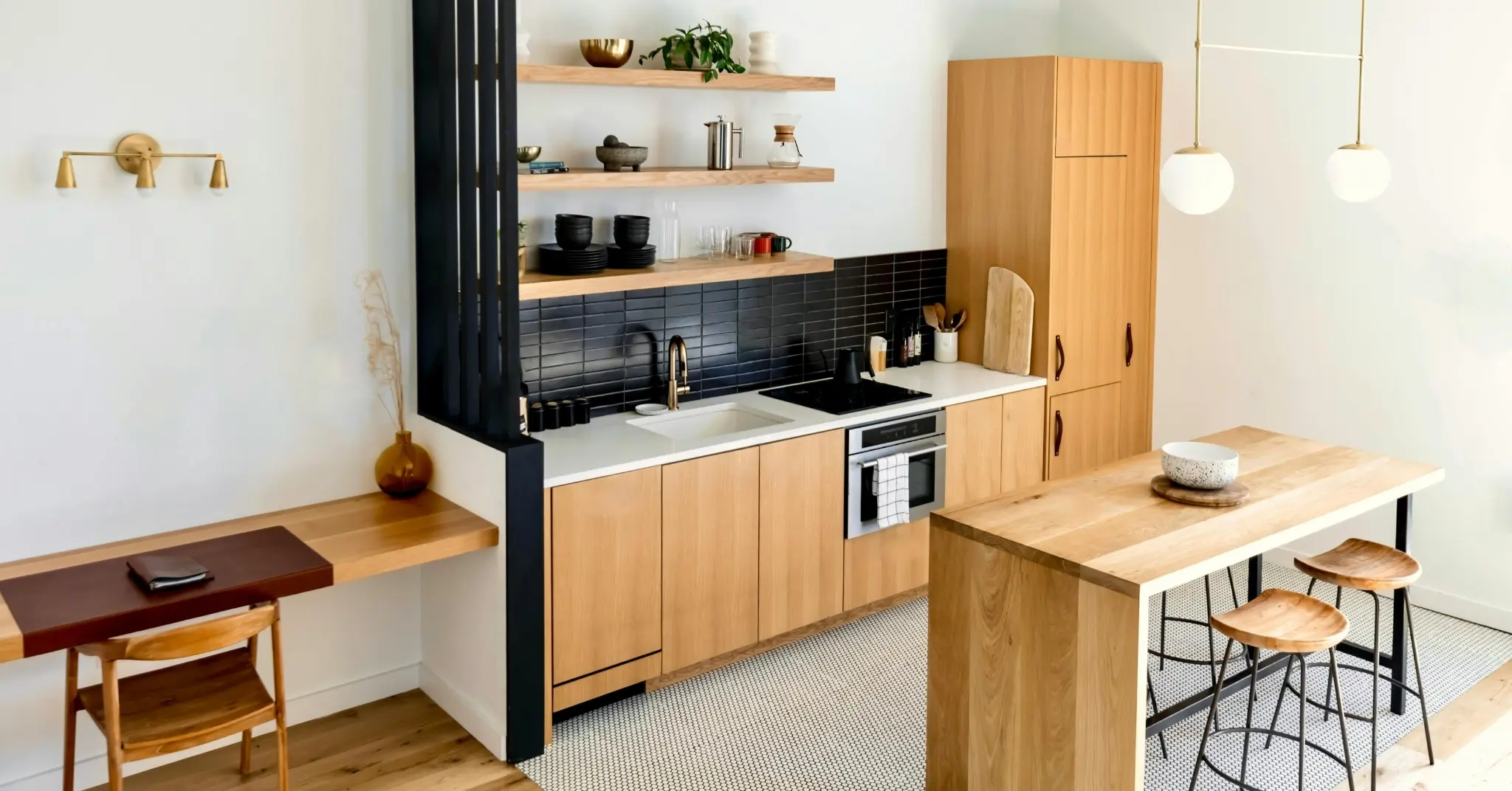
2. Kitchen: Sustainable Function Meets Warmth
The kitchen is the soul of the home—and one of the most resource-intensive spaces. Here, green design means efficiency, safety, and tactile pleasure.
Ideas to Try:
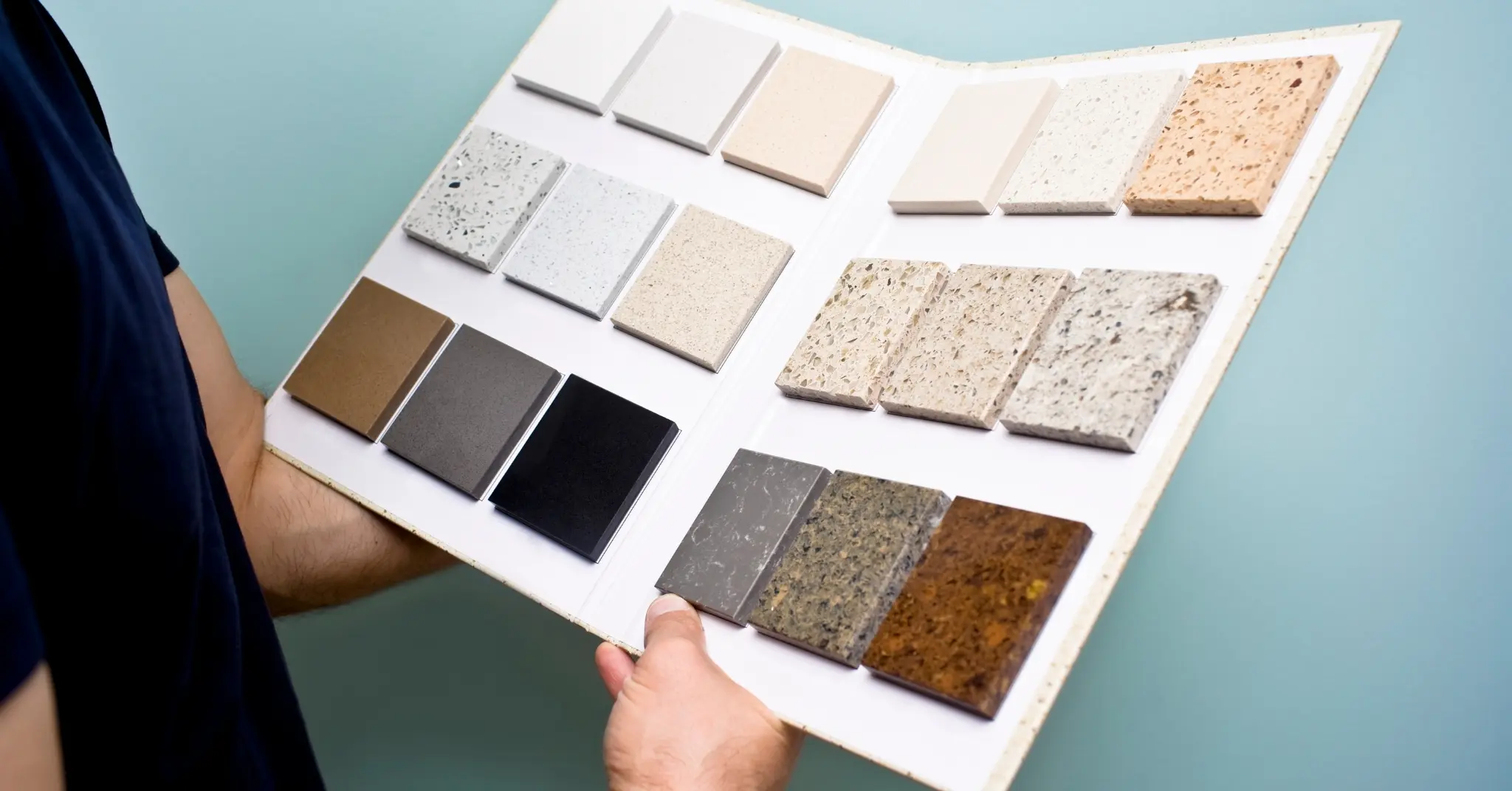
- Eco-Friendly Surfaces: Opt for countertops made of recycled glass, bamboo, or responsibly sourced granite.
- Energy-Efficient Appliances: Modern induction cooktops and A+++ rated refrigerators reduce your carbon footprint while lowering energy bills.
- Green Palette: Olive, sage, or mint cabinetry instantly ties the space to nature.
Stat to Note: According to the Bureau of Energy Efficiency, switching to energy-efficient appliances can cut kitchen energy consumption by up to 30%.
3. Dining Room: A Place for Connection
In the dining area, green interior design can encourage relaxation and conversation.
Ideas to Try:
- Natural Wood Furniture: FSC-certified teak or oak dining tables age beautifully and tell a story over decades.
- Botanical Accents: Consider a living centrepiece—like a row of small succulents or seasonal flowers.
- Eco-Lighting: Pendant lamps with LED bulbs in woven rattan or cane shades create both intimacy and sustainability.
Design Insight: The Gestalt principle of harmony tells us that repeating natural elements (like matching wood tones in table and chairs) creates a cohesive, inviting atmosphere.
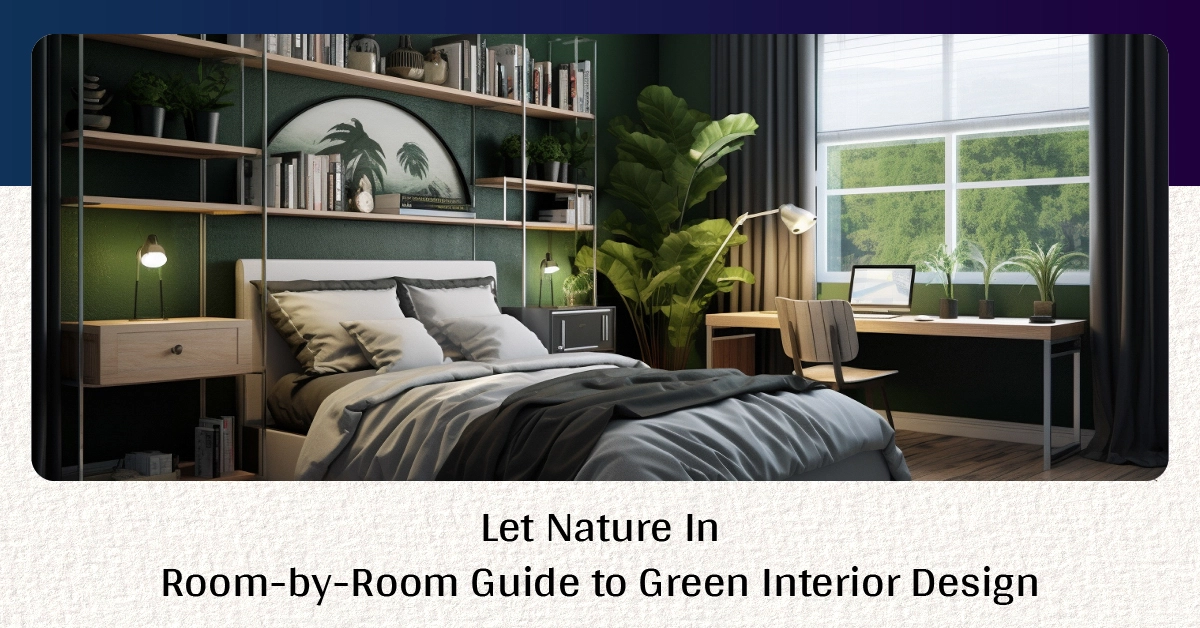
4. Bedroom: A Restorative Retreat
Green design in bedrooms is about creating a calm, toxin-free space for rest.
Ideas to Try:
- Low-VOC Paints: These release fewer harmful chemicals, improving indoor air quality.
- Organic Bedding: Sheets made of bamboo or organic cotton feel luxurious while being eco-conscious.
- Soothing Colours: Earthy greens, warm taupes, and soft blues mimic outdoor serenity.
Pro Tip: Place air-purifying plants like peace lilies or snake plants for better sleep quality—they work even in low light.
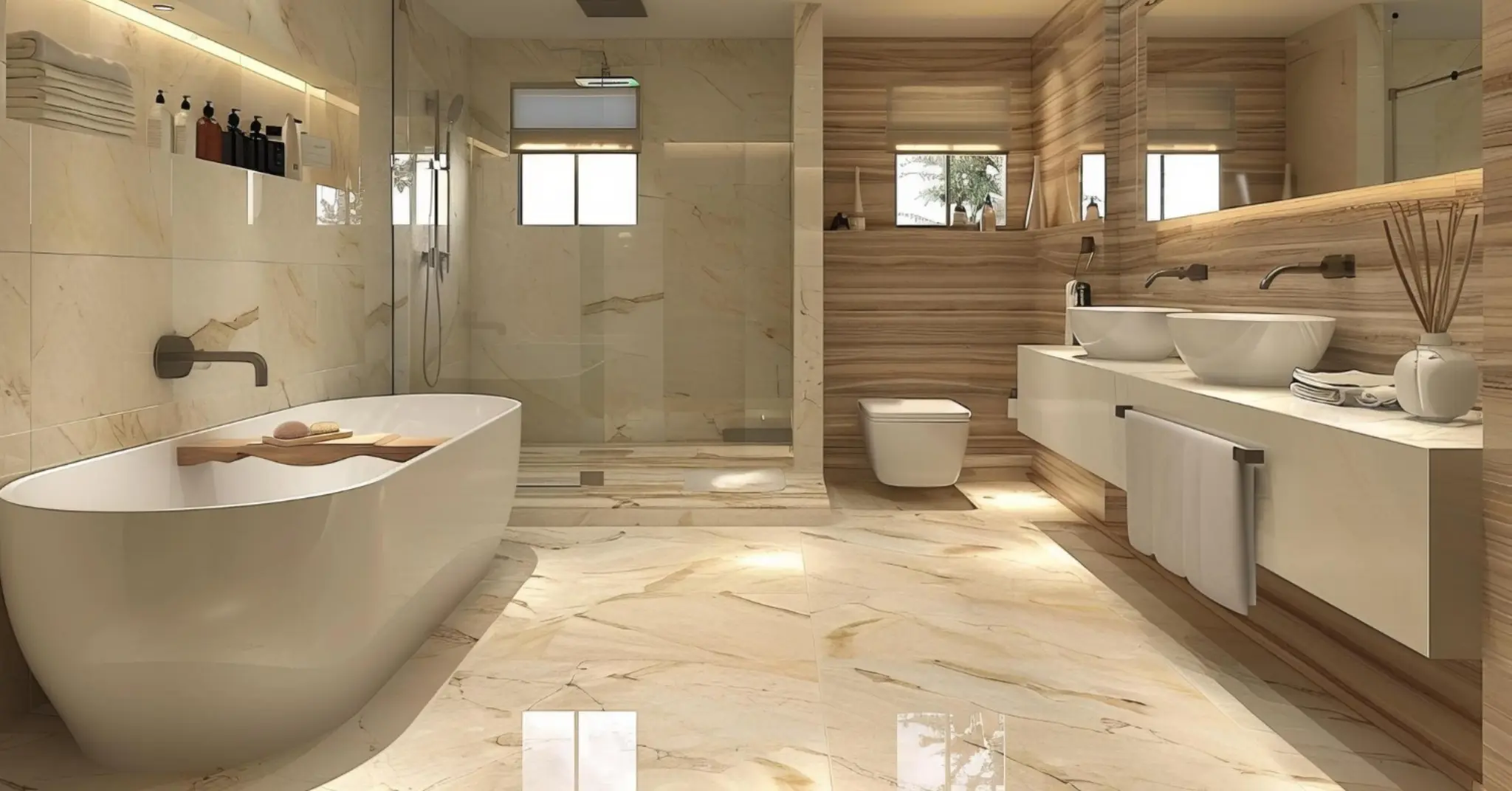
5. Bathroom: Spa-Like and Sustainable
Bathrooms may be small, but they’re perfect for introducing natural textures and responsible water use.
Ideas to Try:
- Water-Saving Fixtures: Low-flow showerheads and dual-flush toilets can reduce water usage by up to 50% (World Resources Institute).
- Stone and Wood Accents: A teak shower bench or pebble-tiled floor adds spa-like appeal.
- Natural Ventilation: A strategically placed window reduces moisture build-up and keeps the air fresh.
Design Theory Example: The prospect-refuge theory explains why spa-like bathrooms feel safe and calming—they combine open views (prospect) with cozy, enclosed spots (refuge).
6. Home Office: Nature for Focus and Creativity
As remote work becomes more common, a green home office can enhance productivity.
Ideas to Try:
- Position Near a Window: Natural light boosts mood and reduces eye strain.
- Wooden Desks: A reclaimed wood desk brings character and warmth.
- Biophilic Artwork: Landscape photography or botanical prints mimic outdoor views when actual greenery is limited.
Stat to Note: A Human Spaces Report found that employees working in spaces with natural elements reported 15% higher well-being and 6% more productivity.
7. Outdoor Spaces: Extending Nature’s Reach
Balconies, terraces, or gardens are natural candidates for green design.
Ideas to Try:
- Native Plants: They require less water and maintenance while supporting local biodiversity.
- Sustainable Furniture: Choose weather-resistant teak or recycled metal seating.
- Vertical Gardens: Ideal for small spaces, they also act as natural insulation.
Pro Tip: Outdoor lighting with solar-powered fixtures adds ambience without raising your electricity bill.
Material & Colour Palette for Green Design
Green interiors aren’t just about adding plants. It’s also about the materials and colours you choose.
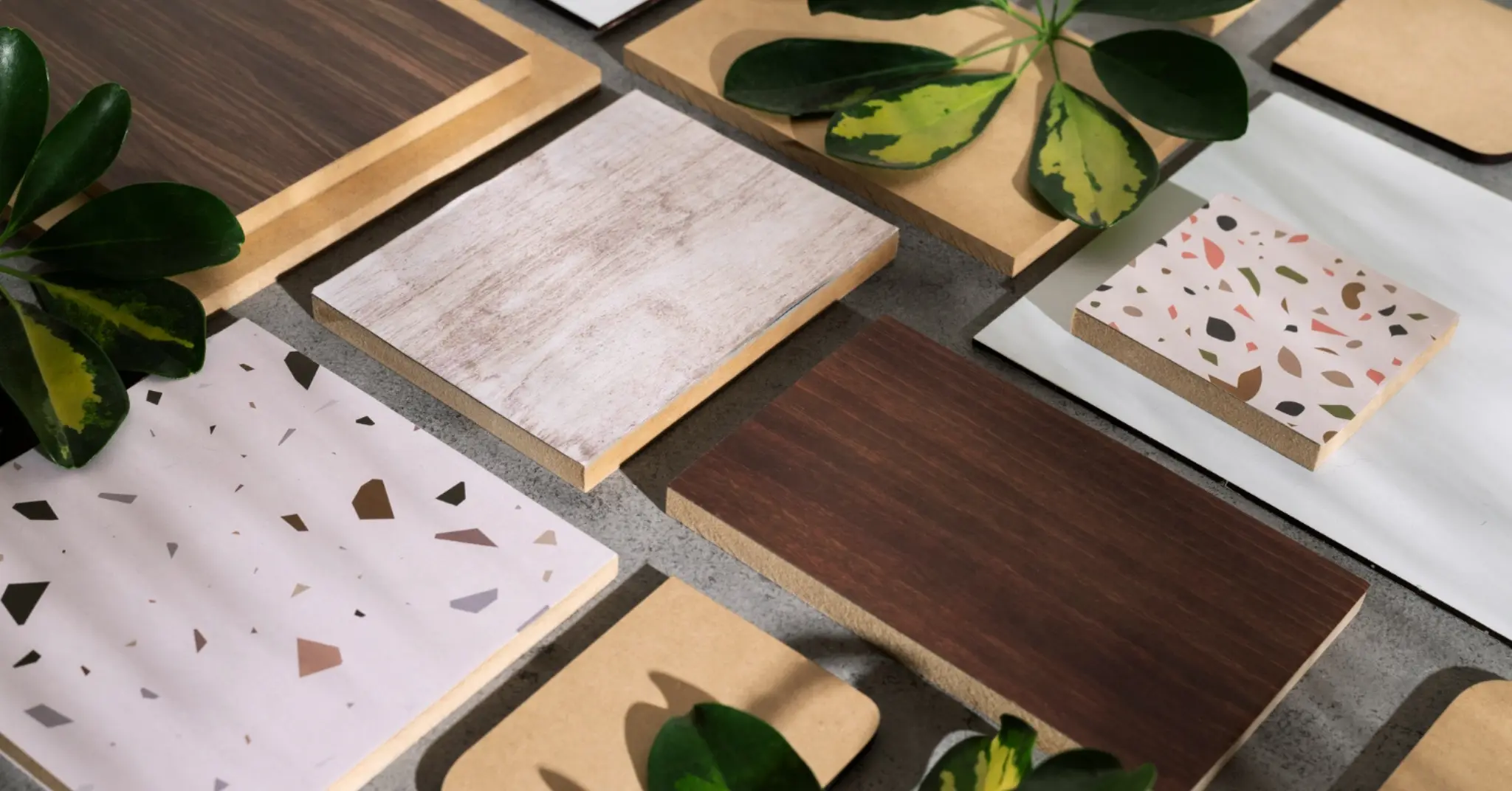
- Materials: Reclaimed wood, bamboo, rattan, natural stone, clay tiles, jute rugs.
- Colours: Earthy greens, warm beiges, terracotta, sky blues—tones that recall landscapes and seasons.
Design Insight: In colour psychology, greens and blues are associated with calmness, while warm earth tones provide a grounding effect.
Sustainability Without Compromise
Some homeowners fear that sustainable design might limit their style options. In reality, it can enhance creativity.
For example, in our Villa Gulposh project at Studio Mavi, we incorporated large indoor plants, bamboo blinds, and locally crafted wooden furniture—achieving a space that was luxurious yet unmistakably connected to nature.
Common Pitfalls to Avoid
- Too Many Plants, Too Little Plan: Clutter can reduce the calming effect of greenery. Choose quality over quantity.
- Synthetic “Natural” Materials: Avoid plastic imitations—true natural materials age beautifully.
- Neglecting Maintenance: Even the hardiest plants and sustainable materials need care to look their best.
Why Go Green Now?
- Improves indoor air quality
- Boosts mental health and productivity
- Reduces energy and water bills
- Supports environmental responsibility
A World Green Building Council study found that green buildings can reduce energy use by up to 25%—proof that eco-friendly choices can be as practical as they are beautiful.
Final Thoughts
Green interior design isn’t about following a strict set of rules—it’s about making conscious choices that bring you closer to nature while enhancing the comfort and beauty of your home. Room by room, you can create spaces that nurture well-being, conserve resources, and tell a story about your values.
At Studio Mavi, we see green design as the future of interiors—sustainable, soulful, and deeply personal. Whether you’re adding a few biophilic touches or reimagining your entire home, we can guide you in creating spaces that look stunning and feel alive.