As climate concerns grow and homeowners become more environmentally conscious, sustainable architecture is no longer a niche trend—it’s the future of home construction. Sustainable materials not only reduce environmental impact but also offer long-term durability, energy efficiency, and healthier indoor environments.
Whether you’re planning a new build or renovating an existing space, using eco-friendly construction materials can significantly lower your carbon footprint while creating modern, stylish, and future-ready homes.
In this blog, we highlight the Top 10 Sustainable Materials that are redefining modern home construction in India and across the globe.
1. Bamboo: The Fastest-Growing Building Resource
Often referred to as “green steel,” bamboo is one of the most versatile and sustainable building materials available. It grows up to 3 feet a day, requires minimal pesticides, and regenerates after harvesting without replanting.
Applications: Flooring, wall panels, roofing, furniture
Benefits:
- High tensile strength
- Carbon-negative material
- Biodegradable and lightweight
According to UNEP, bamboo absorbs 35% more carbon dioxide than similar plants.
2. Recycled Steel: Strong and Circular
Using recycled steel for framing instead of traditional wood reduces deforestation and saves energy. Unlike concrete, steel can be endlessly recycled without losing strength or quality.
Applications: Structural framing, roofing, beams
Benefits:
- Saves up to 75% of energy compared to new steel production
- Fire and pest-resistant
- High durability with low maintenance
3. Rammed Earth: Ancient Technique, Modern Application
Rammed earth is made by compacting natural materials like soil, gravel, clay, and stabilizers into molds. It’s making a comeback in contemporary homes due to its aesthetic appeal and eco-friendliness.
Applications: Walls, floors, outdoor landscaping
Benefits:
- Excellent thermal mass and insulation
- Minimal embodied energy
- Naturally fire- and pest-resistant
In India, traditional mud homes built using this technique have stood the test of time in regions like Kutch and Kerala.
4. Cork: Renewable and Acoustic-Friendly
Harvested from the bark of cork oak trees, cork is a renewable and biodegradable material that doesn’t harm the tree during extraction.
Applications: Flooring, wall panels, insulation
Benefits:
- Great acoustic and thermal insulation
- Resistant to mold and pests
- Naturally fire-retardant
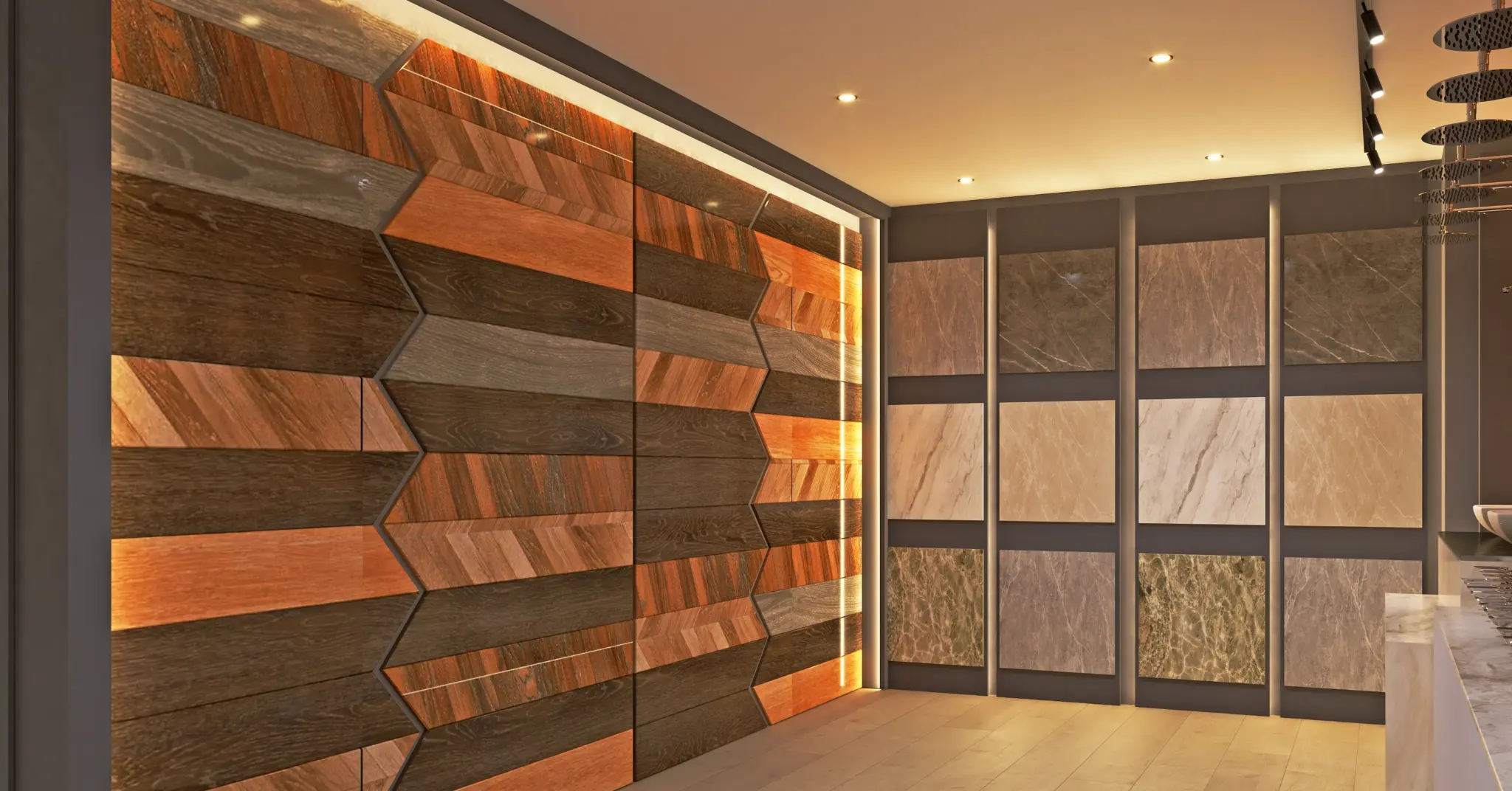
5. Recycled Wood and Timber
Reusing salvaged or recycled wood from demolished buildings reduces demand for virgin timber and helps preserve forests.
Applications: Flooring, beams, cabinetry, furniture
Benefits:
- Aged wood is more stable
- Unique textures and aesthetics
- Supports the circular economy
Using reclaimed wood can reduce carbon emissions by up to 40% compared to new timber (World Green Building Council).
6. Hempcrete: Lightweight and Insulating
Made from hemp fibers, water, and lime, hempcrete is an innovative bio-composite material used for wall construction and insulation.
Applications: Wall insulation, non-load-bearing walls
Benefits:
- Naturally regulates humidity
- Fire-resistant and breathable
- Sequesters carbon during its growth
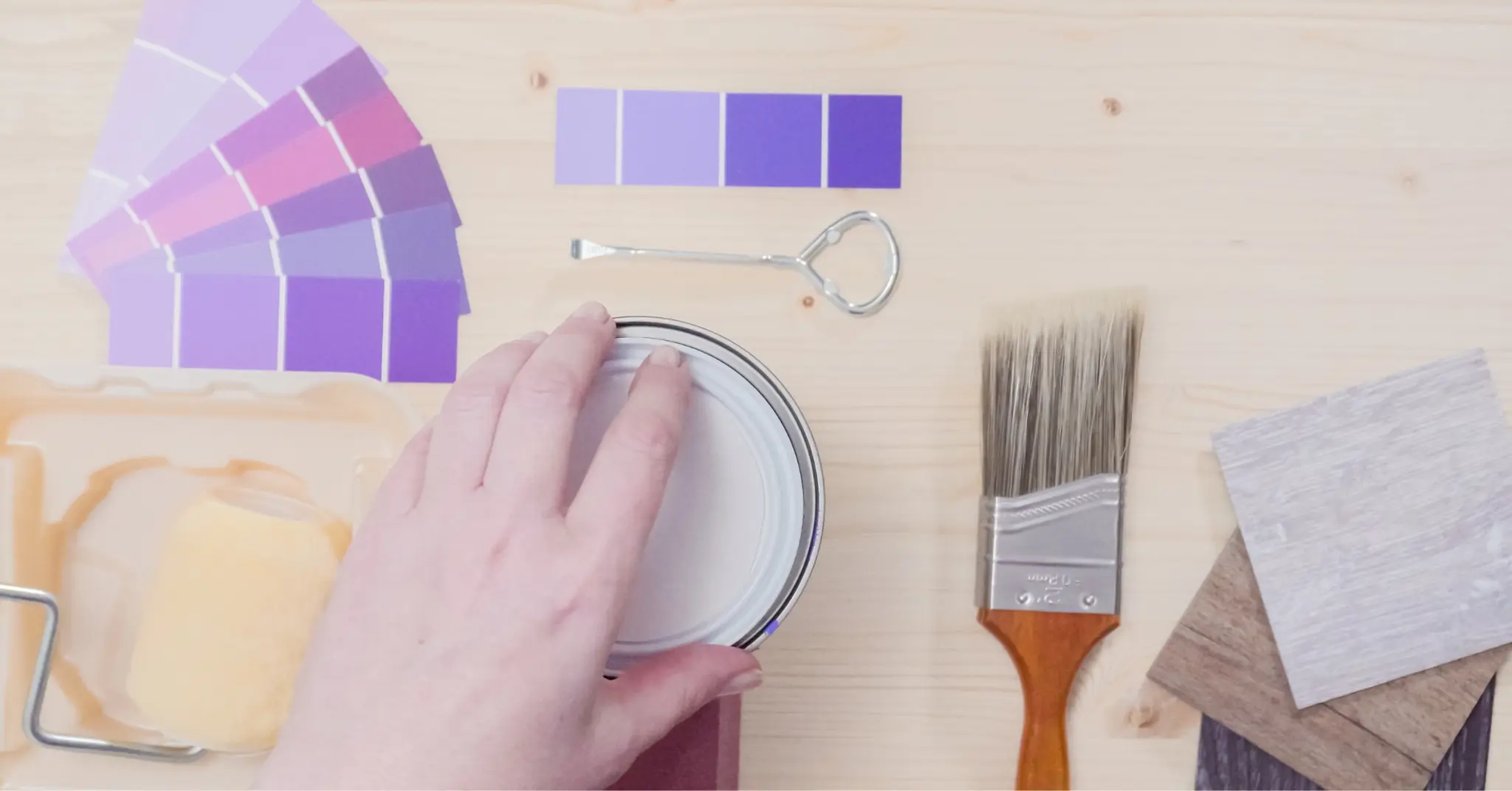
7. Low-VOC Paints and Finishes
Volatile Organic Compounds (VOCs) in traditional paints can release toxic fumes. Switching to low- or zero-VOC paints improves indoor air quality and supports occupant health.
Applications: Wall finishes, coatings, varnishes
Benefits:
- Reduces indoor pollution
- Non-toxic and child-safe
- Odorless and quick drying
8. Solar Tiles and Roofing Materials
Integrating solar photovoltaic (PV) roofing materials allows you to power your home sustainably while saving on electricity bills.
Applications: Roof surfaces, sunshades
Benefits:
- Renewable energy generation
- Seamless integration with architecture
- Reduces dependency on fossil fuels
With India’s solar mission aiming for 280 GW by 2030, solar-integrated homes are poised for growth.
9. Recycled Glass and Tiles
Crushed or reclaimed glass and ceramic can be remade into beautiful countertops, backsplashes, or tiles, reducing landfill waste.
Applications: Kitchen and bath finishes, decorative surfaces
Benefits:
- Unique color patterns
- Durable and water-resistant
- Diverts waste from landfills
10. Fly Ash Concrete
Fly ash, a byproduct of coal combustion, can replace traditional cement in concrete mixtures. Fly ash concrete offers similar strength with a much lower carbon footprint.
Applications: Foundations, flooring, structural work
Benefits:
- Reduces greenhouse gas emissions
- Improves workability and durability
- Uses industrial byproducts effectively
Why Choose Sustainable Materials?
Here’s why more homeowners and architects are moving toward sustainable construction:
- Lower energy consumption during and after construction
- Healthier indoor environments with fewer toxins
- Long-term cost savings on energy, repairs, and maintenance
- Contribution to LEED, GRIHA, or IGBC certifications
- Growing demand for green buildings in the real estate market
As per CBRE India, green-certified buildings can command 7–10% higher rental premiums and offer faster occupancy rates.
Final Thoughts
Modern home construction is not just about looks—it’s about longevity, responsibility, and innovation. By incorporating these sustainable materials, homeowners and architects can contribute to a greener planet while enjoying high-performance, future-ready homes.
At Studio Mavi, we believe design should serve both people and the planet. Our approach blends modern aesthetics with sustainable practices—from material selection to construction methods. Whether you’re building your dream home or redesigning an old one, we can help you make it beautifully green.