The hospitality industry has always been a reflection of cultural moods, economic shifts, and global design innovation. But as we move toward 2025, hospitality design is undergoing a deeper transformation—one that goes beyond luxury and function to focus on meaningful, experience-led spaces.
Today’s guests no longer just want a place to sleep. They want to connect, retreat, explore, and heal. Design is becoming the central storyteller in how a hotel, resort, or homestay delivers that experience.
In this blog, we break down the top hospitality design trends for 2025—trends that will shape hotels, boutique stays, co-living spaces, and wellness resorts over the next few years.
1. Experience-Driven Layouts: Storytelling Through Space
The modern traveler seeks emotion and immersion. As a result, hospitality design is shifting from traditional zoning (lobby, room, restaurant) to narrative-driven layouts where every space contributes to a larger journey.
What’s Changing:
- Fluid circulation paths that unfold organically, not geometrically.
- Multi-sensory experiences: lighting, scent, acoustics, and materiality all curated intentionally.
- “Instagrammable” vignettes and zones designed for visual storytelling.
- Themes that connect local culture with the brand’s identity.
For example, a wellness retreat might begin with a calming walkway, leading to a meditation pod, then into a naturally lit spa—all designed as a mindful sequence, not isolated functions.
2. Local Aesthetics Over Global Templates
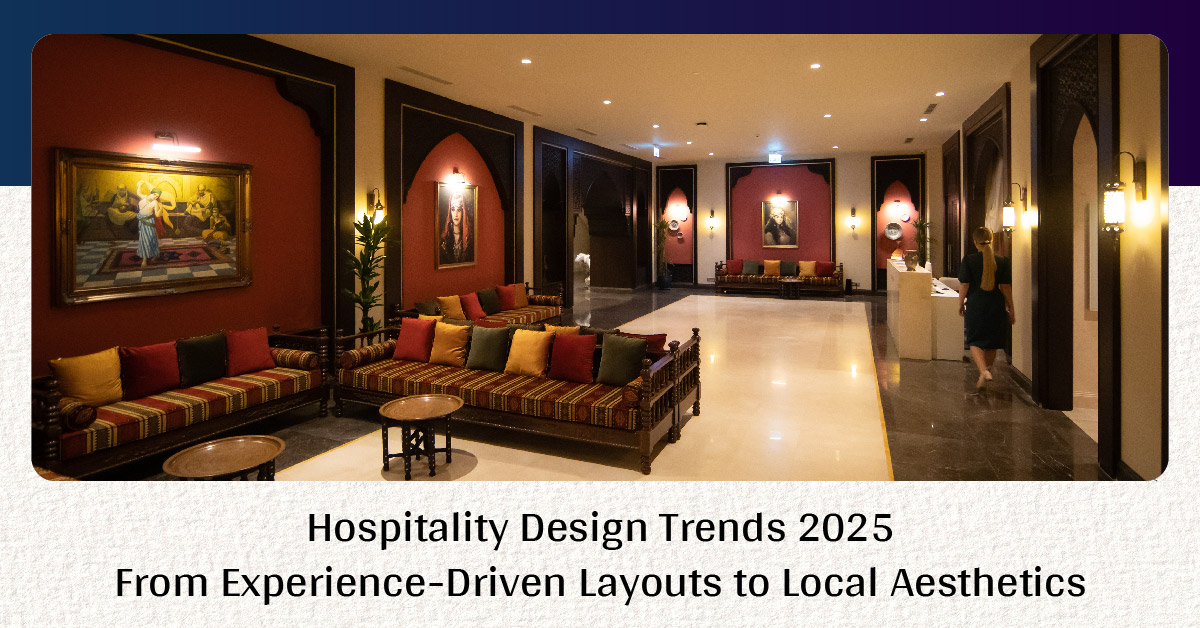
2025 will see the decline of cookie-cutter hotel interiors. Generic luxury is being replaced with hyperlocal inspiration—textures, crafts, materials, and motifs sourced from the destination itself.
Why It Matters:
- Travelers want authenticity, not replication.
- Local design builds stronger emotional connections.
- Supports regional economies and artisans.
Expect to see:
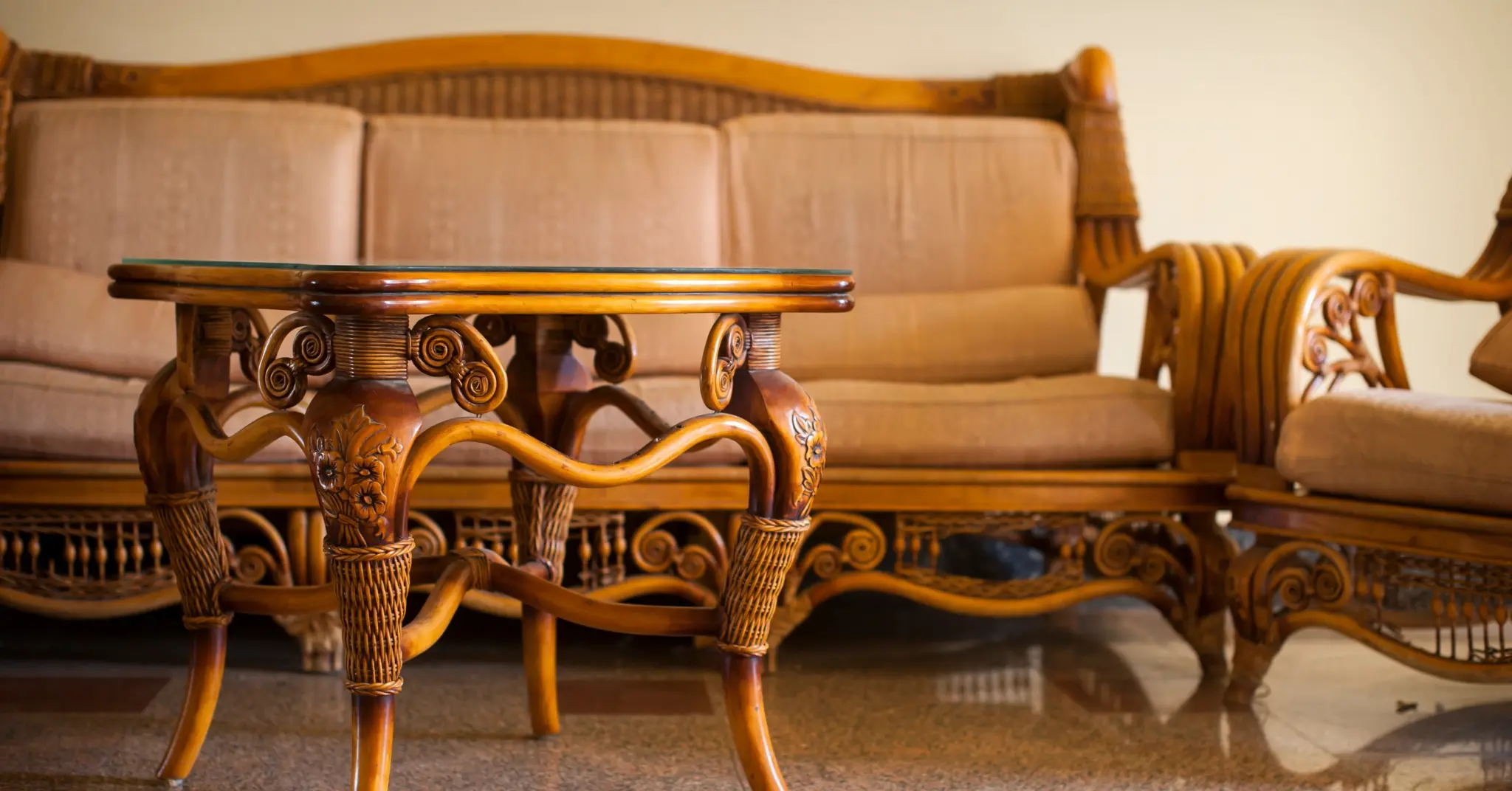
- Handwoven textiles from nearby villages.
- Architectural forms inspired by vernacular styles.
- Locally sourced stone, wood, and finishes.
- Custom artwork and furniture built by regional makers.
This design trend transforms the hotel into a cultural experience—one that feels rooted in place.
3. Sustainable Design is Non-Negotiable
Sustainability is no longer a bonus feature. It’s a baseline expectation. From Gen Z travelers to corporate guests, the demand for eco-conscious hospitality is rising.
Key Green Practices:
- Passive cooling systems and natural ventilation.
- Solar panels, rainwater harvesting, and greywater reuse.
- Biophilic design: living walls, natural light, and greenery throughout.
- Recycled or reclaimed building materials.
In addition to environmental impact, sustainable design offers cost savings over time, and enhances the brand’s ethical positioning in a competitive market.
4. Wellness Architecture: Integrated, Not Isolated
Wellness is becoming a spatial philosophy, not just a spa amenity. Post-COVID, the desire for healing, rest, and balance has led to wellness being embedded across the entire hospitality design process.
Wellness-Focused Features:
- Room layouts that prioritize natural light, silence, and air quality.
- On-site herbal gardens, walking trails, and meditation corners.
- Design for healthy sleep: low-VOC paints, blackout shades, calming palettes.
- Organic materials underfoot and on walls—cork, clay, limewash, and bamboo.
Guests now expect hotels and resorts to enhance their wellbeing, not just house them. The brands that do this architecturally will stand out.
5. Tech-Enhanced Hospitality Without Losing Human Touch
In 2025, smart design will strike a balance between automation and warmth. While guests value efficiency, they still want the emotional intelligence of human hospitality.
Tech Trends in Design:
- Contactless check-in areas with interactive digital kiosks.
- App-controlled lighting, climate, and entertainment systems in rooms.
- Smart mirrors in bathrooms with real-time news or fitness content.
- QR-based room service and menus to reduce contact.
The key is to ensure that technology enhances comfort and safety, without making the experience cold or transactional.
6. Co-Living and Hybrid Hospitality Spaces
The rise of digital nomads, remote workers, and long-term travelers has given rise to a new hybrid model: part hotel, part home, part office.
Design Features to Expect:
- Longer-stay studio rooms with kitchenettes and storage.
- Co-working lounges integrated with café spaces.
- Community-driven event zones for networking or workshops.
- Flexible layouts with movable partitions or convertible furniture.
These multi-functional spaces cater to a new lifestyle—where work and leisure coexist. The design must facilitate both productivity and relaxation, often within the same square footage.
7. Emphasis on Outdoor Architecture
Hospitality design in 2025 continues to shift outdoors. From open-air lobbies to rooftop lounges, the line between built and natural environments is being blurred intentionally.
Design Directions:
- Floating decks over water bodies.
- Rooftop spas and dining with panoramic views.
- Semi-open villas with garden courtyards and skylights.
- Natural materials like thatch, stone, cane, and clay used in outdoor elements.
Guests now expect to engage with the outdoors, not just view it. Design must allow for openness while ensuring comfort, shade, and weather adaptability.
8. Minimalism with a Soft, Local Soul
The sterile minimalism of the early 2000s is being replaced with emotive minimalism—design that is clean and calming, but also rich with texture and story.
Aesthetic Principles:
- Earth-toned palettes with regional accents.
- Raw materials like linen, jute, and untreated wood.
- Simple forms with handcrafted detail.
- Emphasis on “emptiness” as luxury—less furniture, more freedom.
This stripped-back approach aligns with the growing global preference for slower travel, mental wellness, and intentional design.
9. Inclusive Design for Diverse Guests
Accessibility is no longer treated as a post-construction add-on. Inclusive design now starts at the blueprint stage, creating hospitality spaces that welcome everyone, regardless of age, ability, or background.
Design Considerations:
- Step-free entries, ramps, and elevators as default.
- Visual contrast in flooring for the visually impaired.
- Braille signage, wider doorways, and adaptive furniture.
- Gender-neutral and family-friendly washroom facilities.
Designing for inclusivity not only fulfills legal codes but also expands the brand’s guest reach and reputation.
Final Thoughts
Hospitality design in 2025 is about intentionality, immersion, and integrity. The focus has shifted from just building beautiful spaces to creating environments that feel personal, authentic, and sustainable. The challenge for designers and developers is to blend local context, global insight, and emotional intelligence into a seamless guest experience.
At Studio Mavi, we believe that hospitality design should not only reflect the brand—it should elevate the destination. Our team combines architectural precision with cultural sensitivity to create resorts, hotels, and boutique stays that inspire and endure.