In the fast-paced world of commercial real estate, the push for sustainability, innovation, and cost-effectiveness is stronger than ever.
Enter adaptive reuse design – a transformative approach that breathes new life into old buildings. More than just a trend, adaptive reuse is rapidly becoming a cornerstone of modern commercial architecture, blending creativity with conservation.
As an interior design firm committed to thoughtful transformation and environmentally conscious spaces, promoting adaptive reuse is not just smart- it’s essential.
In this blog, we’ll explore what adaptive reuse means, its key benefits, successful examples, and how interior designers can lead this movement for a more sustainable built environment.
What Is Adaptive Reuse Design?
Adaptive reuse design is the process of repurposing old buildings for new functions without demolishing them entirely.
Unlike renovation, which might only update the aesthetics, adaptive reuse typically involves converting a structure originally built for one use into something completely different– like turning an old factory into an office, or a heritage mansion into a boutique hotel.
The charm of adaptive reuse lies in its dual nature: preservation and transformation.
It allows cities to maintain architectural character while introducing functional upgrades that meet contemporary commercial needs.
Why Adaptive Reuse Is Gaining Momentum in 2025
1. Sustainability and Environmental Responsibility
Demolishing buildings generates vast amounts of waste and carbon emissions. According to the World Green Building Council, construction and demolition activities account for nearly 40% of global carbon emissions.
Adaptive reuse dramatically cuts this figure by minimizing demolition and using fewer new materials.
As green building certifications like LEED, IGBC, and WELL become industry standards, developers are embracing adaptive reuse to meet environmental targets.
2. Economic Efficiency
Repurposing an existing building can reduce material costs, construction time, and permitting requirements, especially in urban zones.
In cities where space is limited and land costs are high, adaptive reuse can offer a quicker and more affordable path to market than new construction.
3. Cultural and Historical Value
Historic buildings contribute to the unique character of neighborhoods. Adaptive reuse preserves this character, making it an attractive option for projects in heritage districts or buildings with architectural significance.
It allows businesses to leverage legacy charm while integrating modern functionality.
4. Incentives and Government Support
Governments across the globe- including in India, the U.S., and the EU- are offering tax incentives, grants, and relaxed zoning laws to encourage the reuse of existing structures.
Local development authorities are increasingly recognizing the long-term benefits of preservation over demolition.
The Role of Interior Designers in Adaptive Reuse
While architects may lead structural changes, interior designers are the soul-shapers of adaptive reuse projects.
The challenge? Working within existing limitations to reimagine interiors that serve modern commercial needs while respecting the building’s original essence.
Here’s how interior designers can champion adaptive reuse:
1. Space Planning Within Constraints
Adaptive reuse often comes with fixed elements- load-bearing walls, columns, or oddly shaped rooms. Interior designers must skillfully adapt layouts for open-plan offices, retail spaces, co-working hubs, or hospitality venues, all while keeping the building’s core intact.
2. Material Selection and Sustainability
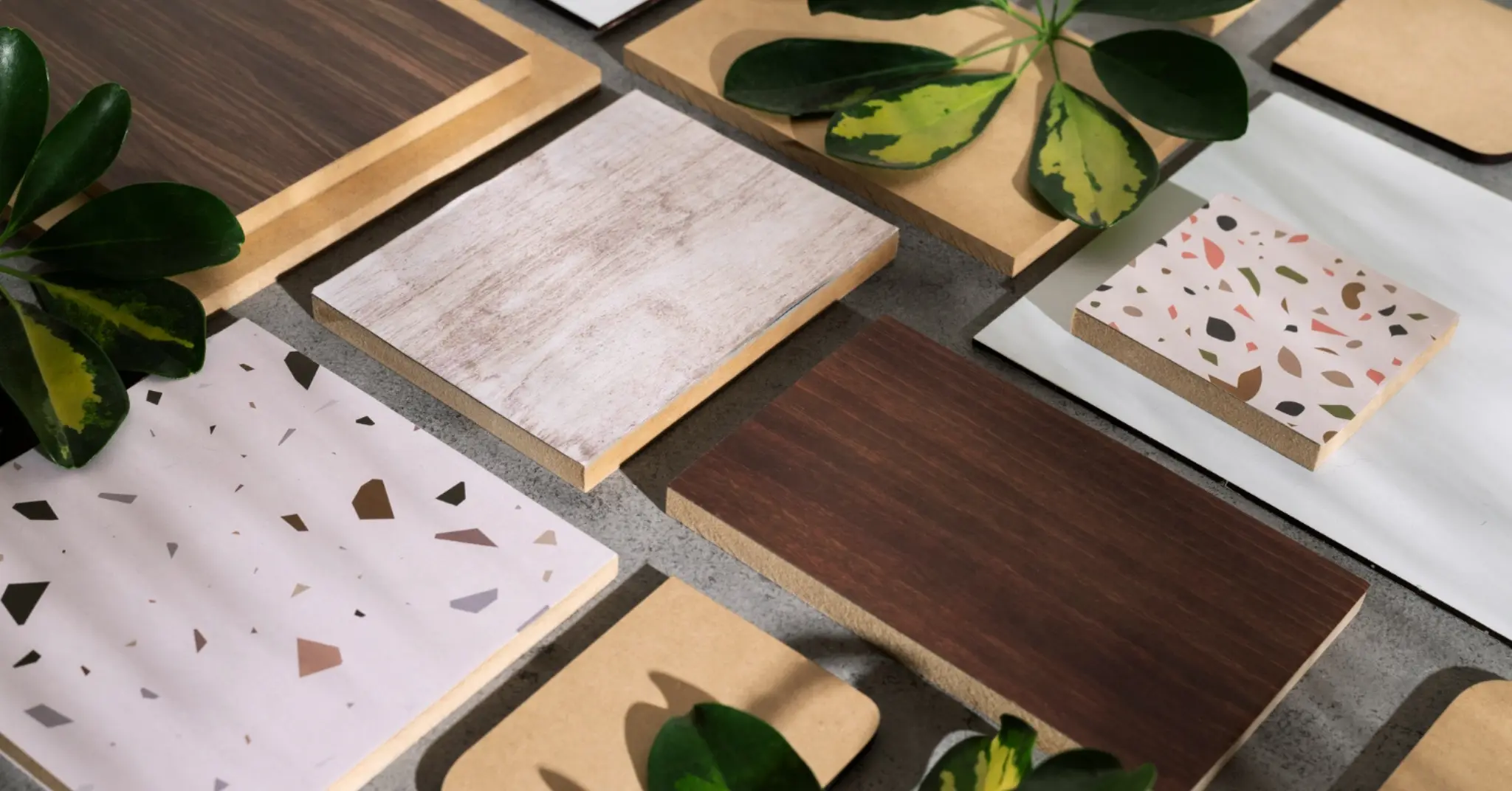
Designers can prioritize reclaimed materials, low-VOC paints, energy-efficient lighting, and sustainable furnishings, aligning with the project’s eco-conscious goals.
3. Highlighting Architectural Features
Exposed brick, vintage staircases, arched windows, and raw beams can be turned into design focal points. Instead of hiding imperfections, adaptive reuse celebrates them, creating a story-rich space that speaks of transformation.
4. Balancing Modern Needs with Heritage Aesthetics
Adaptive reuse is a balancing act- integrating modern plumbing, HVAC, and lighting systems while maintaining aesthetic harmony. Interior designers play a key role in smoothing this integration through smart spatial layering, creative enclosures, and thoughtful color palettes.
Real-World Examples of Adaptive Reuse in Commercial Spaces
Taj Connemara, Chennai – India’s Colonial Charm Reimagined
Originally built in the 19th century, Taj Connemara is one of India’s oldest hotels. Through adaptive reuse, it has been transformed into a luxury destination while preserving its colonial architectural detailing.
The fusion of Art Deco interiors and contemporary amenities is a masterclass in balance.
Google’s London Office – From Postal Sorting to Tech Innovation
Google transformed the King’s Cross railway goods yard, a heritage industrial structure, into a sleek office complex.
By retaining the original brickwork and combining it with open, modern interiors, they created a high-performing workplace with a deep sense of place.
The Bombay House, Mumbai – Tata Group’s Headquarters Restored
The historic Bombay House, built in 1924, underwent a significant adaptive reuse renovation in 2018. While the façade and core structure were preserved, the interiors were overhauled with modern lighting, collaborative spaces, and wellness zones– blending legacy with innovation.
Types of Commercial Projects That Benefit from Adaptive Reuse
- Boutique Hotels – Historic homes, mansions, and old courthouses transformed into luxury stays
- Cafés and Restaurants – Railway stations, libraries, and mills turned into experiential eateries
- Co-Working Spaces – Industrial warehouses redesigned as creative hubs
- Retail Spaces – Banks or post offices repurposed into concept stores
- Cultural Centers or Galleries – Churches, mills, or colonial buildings revived for community use
- Tech Offices – Industrial units made smart with minimalistic yet functional designs
Design Considerations and Challenges in Adaptive Reuse
1. Structural Integrity and Compliance
Before beginning design, the existing building must be assessed for foundation strength, seismic resilience, and compliance with fire codes and accessibility standards. Collaboration with structural engineers is key.
2. Zoning and Regulatory Approvals
Changing a building’s function may require zoning approvals, heritage committee clearances, and environmental assessments, especially in heritage or mixed-use areas.
3. Lighting and Ventilation
Older structures often lack sufficient natural light or ventilation. Interior designers must creatively address this through atriums, skylights, glass partitions, and layered lighting solutions.
4. Acoustic Treatment
Converting churches or warehouses into commercial spaces demands serious acoustic planning. Soundproofing, ceiling baffles, and soft materials can help maintain comfort and productivity.
Tips for Promoting Adaptive Reuse to Clients
As a forward-thinking interior design firm, promoting adaptive reuse starts with education and inspiration. Here’s how to position it to your clients:
1. Highlight Cost-Benefits
Share estimates comparing new construction vs. reuse, showcasing long-term savings and faster project timelines.
2. Demonstrate Environmental Impact
Showcase the reduced carbon footprint, waste minimization, and possibilities for LEED/IGBC certification.
3. Offer Creative Concept Boards
Visual storytelling helps. Develop concept boards showing how vintage charm can coexist with modern functionality.
4. Showcase Past Successes
Case studies with before-and-after visuals can demonstrate how adaptive reuse has transformed properties, increased foot traffic, or enhanced brand perception.
5. Leverage Local History
Tap into community nostalgia by preserving architectural features or showcasing historical plaques- businesses love being part of a bigger story.
The Future of Adaptive Reuse in India and Beyond
Adaptive reuse is not a passing trend; it’s a pillar of sustainable urban development. With India’s urban centers growing at a rapid pace, preserving the past while building for the future is a practical necessity.
According to the Smart Cities Mission, over 100 Indian cities are expected to undertake redevelopment with a focus on sustainability- and adaptive reuse plays a critical role.
Architects and interior designers are no longer just creators of new spaces- they are curators of cultural memory and sustainability champions.
As global awareness grows around climate impact, adaptive reuse stands tall as a design philosophy that respects the old, embraces the new, and builds a better future.
Let’s Conclude
Promoting adaptive reuse in commercial architecture is not just about saving buildings- it’s about revitalizing communities, honoring heritage, and leading the charge toward a greener future.
For interior design firms, it’s an opportunity to combine storytelling, aesthetics, and innovation in a way few design movements allow.
By embracing adaptive reuse, you help your clients unlock the hidden potential of forgotten spaces- and prove that great design isn’t just about what’s new, but about what’s reimagined.
FAQ’s
1. What is adaptive reuse in commercial architecture?
Adaptive reuse is the process of repurposing old or existing buildings for new commercial functions, such as converting an old warehouse into a co-working space or a heritage home into a boutique hotel.
2. Why is adaptive reuse considered sustainable?
It reduces construction waste, lowers carbon emissions, and conserves natural resources by minimizing the need for new materials and demolition.
3. Is adaptive reuse cost-effective for commercial projects?
Yes. While initial assessments may add some cost, overall project expenses are often lower due to reduced construction time, material reuse, and fewer zoning hurdles.
4. What types of commercial spaces benefit most from adaptive reuse?
Offices, retail outlets, restaurants, hotels, art galleries, and co-working spaces commonly benefit from adaptive reuse due to their flexibility and space needs.
5. Can interior designers lead adaptive reuse projects?
Absolutely. Interior designers play a key role in transforming interiors to suit modern functions while preserving the building’s original character and architectural features.